
Bird · GBIF taxon 2480830
Cattle Egret
Bubulcus ibisAlso known as Buff-backed Heron
Western cattle egrets actively stride alongside grazing livestock, snatching up grasshoppers and other insects flushed by heavy hooves. During the spring breeding season, adults undergo a striking transformation as buff-orange plumes emerge on their heads, necks, and backs, accompanied by a temporary flush of bright pink on their bills and legs. Their unprecedented range expansion over the last century has established these adaptable white herons across farmland and open fields worldwide.
Wading BirdSocialAdaptable
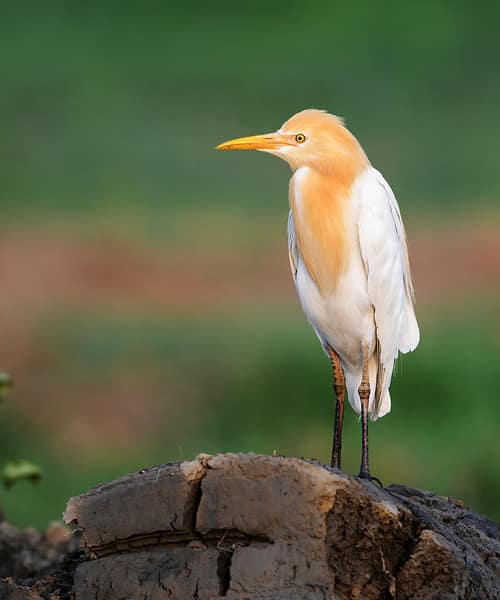
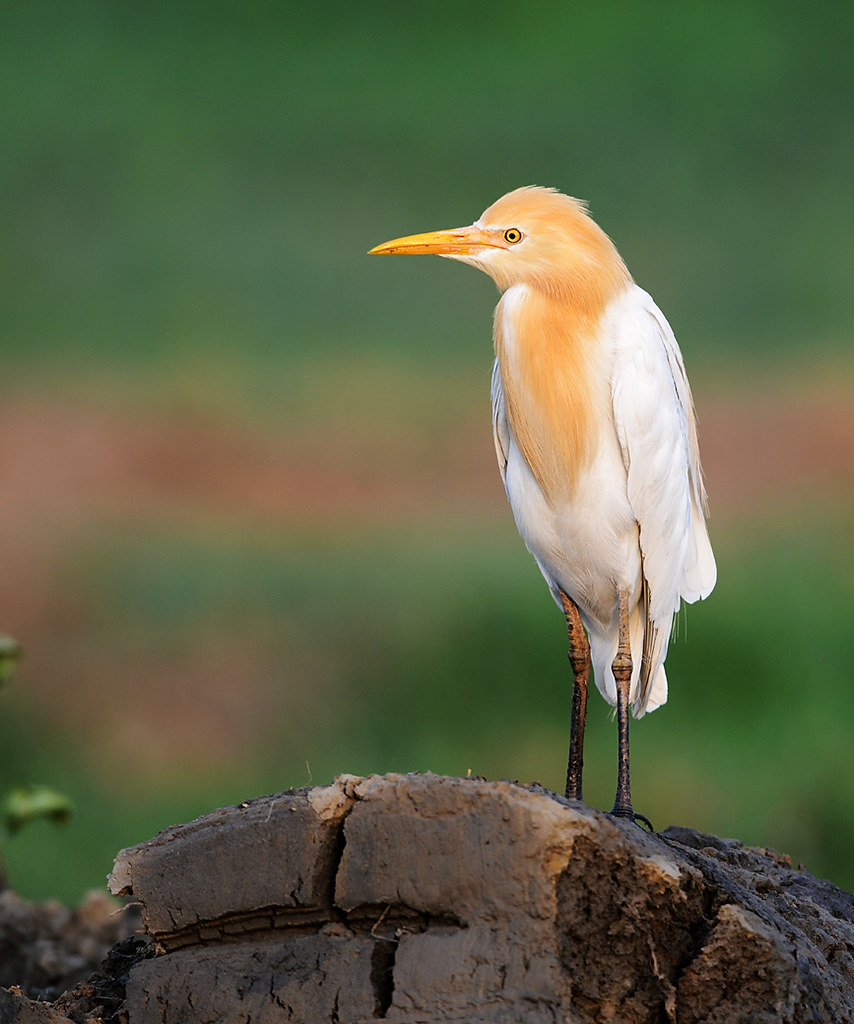
—observations
—countries
—peak records
Least ConcernConservation statusIUCN Red List categoriesLCNTVUENCREWEXLeast ConcernRed List categories, explained →
Diet & prey
- Grasshoppers
- Flies
- Frogs
Predators
- Raptors
- Snakes
- Crows
ThreatsPesticide run-off, wetland drainage, climate extremes
HabitatsPastures, grasslands, wetlands, agricultural fields
Life span10–15 years in the wild
Size / weightNot available
Classification
- OrderPelecaniformes
- FamilyArdeidae
- GenusBubulcus
- SpeciesBubulcus ibis
Range data is not available yet.
Interaction riskLow
- Low
- Moderate
- High
- Very high
- Why interaction risk is low
- Safe to observe at a normal distance.
Responsible observation
- Scanning pastures: Look around cattle, horses, or tractor machinery where flushed insects concentrate.
- Seasonal ID: Watch for orange-buff plumes on the head and chest during spring courtship.
- Group dynamics: Observe roosting colonies in trees near water bodies during late afternoon.
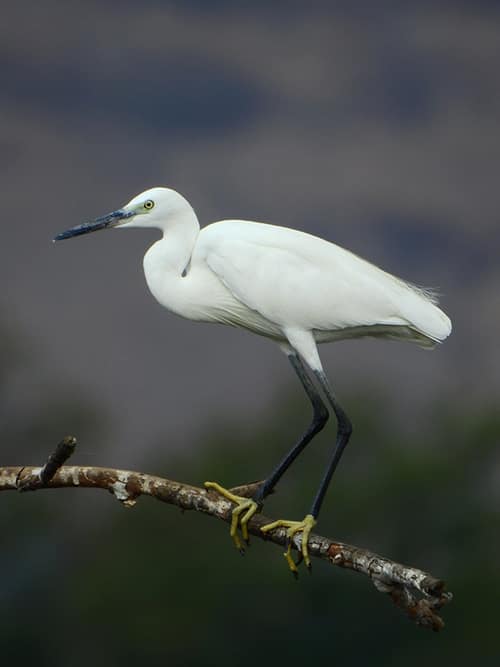
Look-alike Shantanu Kuveskar / CC BY-SA 4.0 · cc-by-sa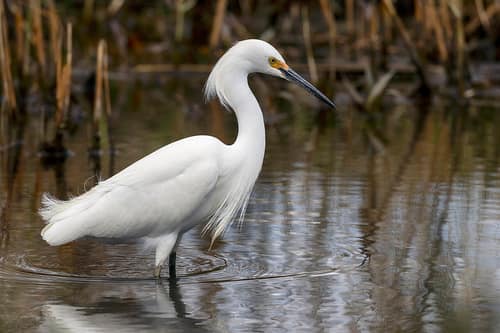
Look-alike Chuck Homler d/b/a Focus On Wildlife / CC BY-SA 4.0 · cc-by-sa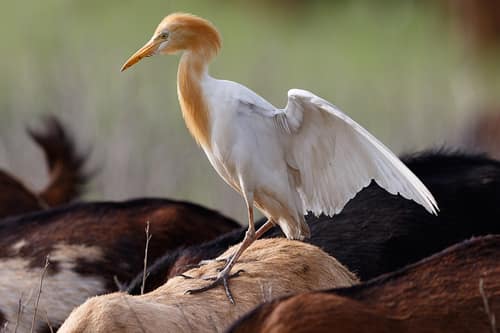
Close Relative Hari K Patibanda / CC BY 2.0 · cc-by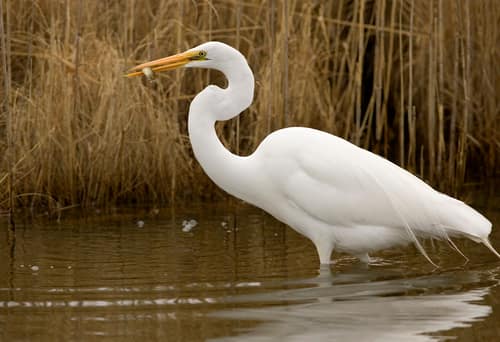
Close Relative "Photo of the Week - Great Egret at Chincoteague National Wildlife Refuge" by U. S. Fish and Wildlife Service - Northeast Region is marked with Public Domain Mark 1.0. To view the terms, visit https://creativecommons.org/publicdomain/mark/1.0/. · cc0
Keep collecting in Fauna
Found in Collections
Ecosystem chain
Wetland Territory
Cattle Egret is found in this collection. Identify it in Fauna to fill this slot and continue your progress.
—/12
Help improve the field guideSomething wrong?
Checking your Fauna account…Report a name, category, or profile issue for review.