
Bird
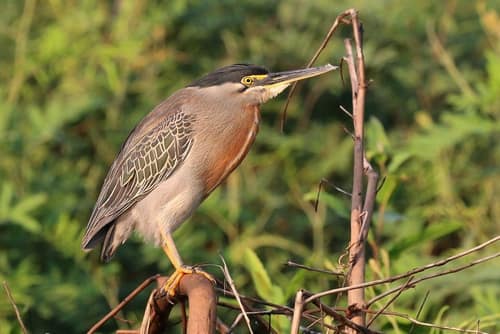
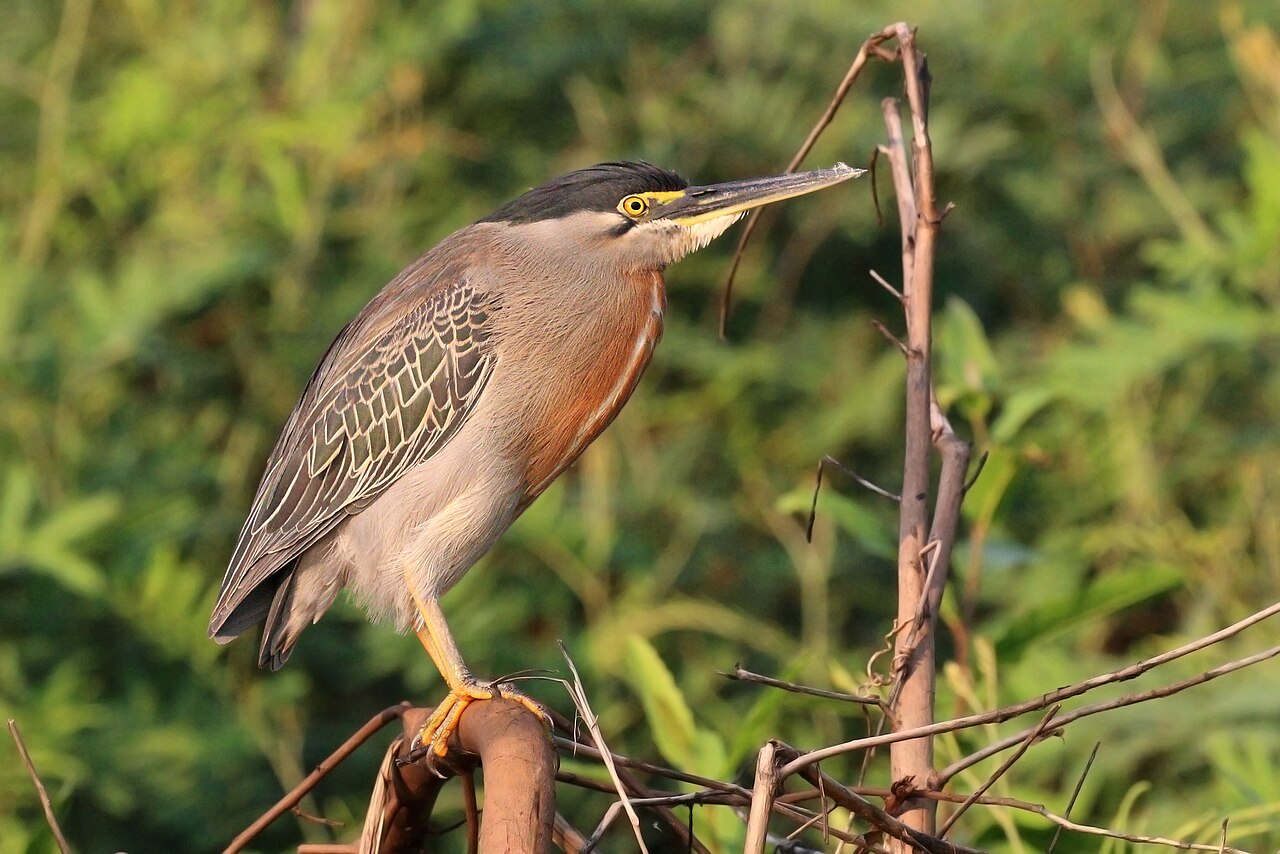
Striated Heron
Butorides striataAlso known as Mangrove Heron, Little Green Heron, Green-backed Heron
Striated herons crouch motionlessly along mangrove prop roots and muddy riverbanks, waiting patiently for prey to enter striking range. They are well known for using bait to fish, dropping floating debris, insect larvae, or feathers onto the water surface to lure curious minnows within reach. Pairs nest solitarily or in loose colonies, constructing flat platforms of twigs hidden deep within dense foliage.
Wading BirdTool UserWetlands
—observations
—countries
—peak records
Least ConcernConservation statusIUCN Red List categoriesLCNTVUENCREWEXLeast ConcernRed List categories, explained →
Diet & preySmall fish, Crabs, Aquatic insects
Predators
- Raptors
- Crocodilians
- Large snakes
ThreatsMangrove clearance, wetland draining, coastal development, pesticide runoff
HabitatsMangroves, estuaries, tidal flats, marshes, riverbanks
Life span10–15 years
Classification
- OrderPelecaniformes
- FamilyArdeidae
- GenusButorides
- SpeciesButorides striata
Range data is not available yet.
Interaction riskLow
- Low
- Moderate
- High
- Very high
- Why interaction risk is low
- Safe to observe at a normal distance.
Responsible observation
- Observation Strategy: Look low near the water's edge among mangrove roots, where individuals remain frozen while stalking.
- Baiting Behavior: Watch undisturbed birds near calm shallows to witness them drop floating twigs or bugs to lure fish.
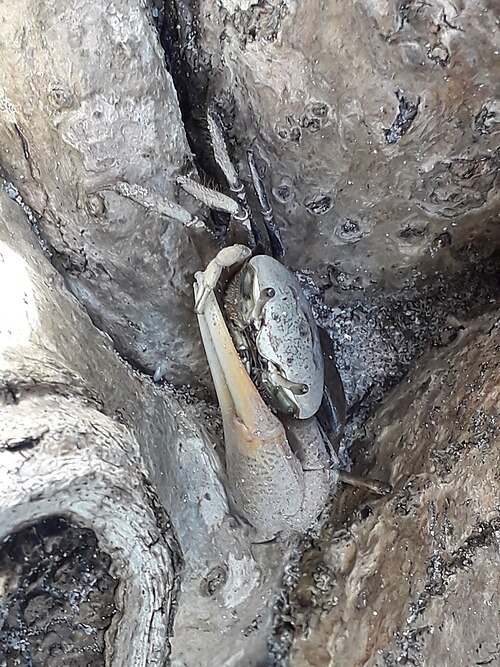
Prey Tommy Andriollo / CC BY 4.0 · cc-by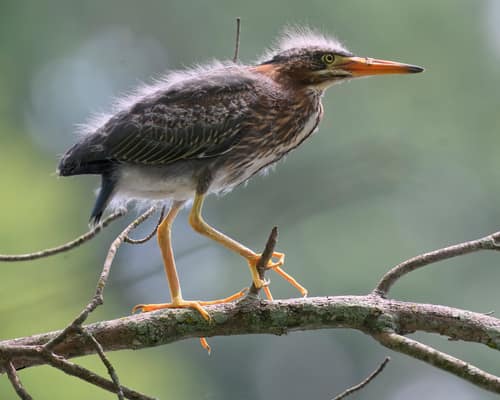
Close Relative (c) lwolfartist, some rights reserved (CC BY) · cc-by Image unavailable
Close Relative 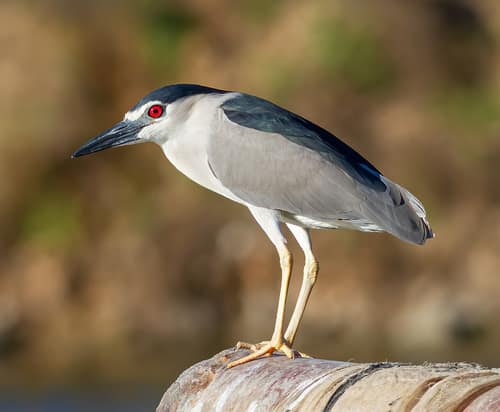
Same Family ramidos / CC BY 4.0 · cc-by
Keep collecting in Fauna
Found in Collections
Ecosystem chain
Wetland Territory
Striated Heron is found in this collection. Identify it in Fauna to fill this slot and continue your progress.
—/12
Help improve the field guideSomething wrong?
Checking your Fauna account…Report a name, category, or profile issue for review.