
Bird
African Spoonbill
Platalea albaAfrican Spoonbills sweep their long, flattened bills from side to side through muddy shallows, snapping shut the instant sensitive nerve endings detect a fish or insect. Snow-white plumage contrasts sharply with a bare red face, pale blue-grey bill, and long crimson legs, making adults unmistakable across sub-Saharan wetlands and Madagascar. Mostly silent away from their nests, they gather in noisy colonies within flooded trees or dense reedbeds to raise broods of two or three chicks.
Wading BirdWetlandColonial Nester
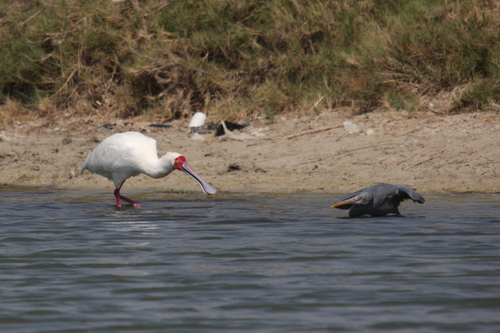
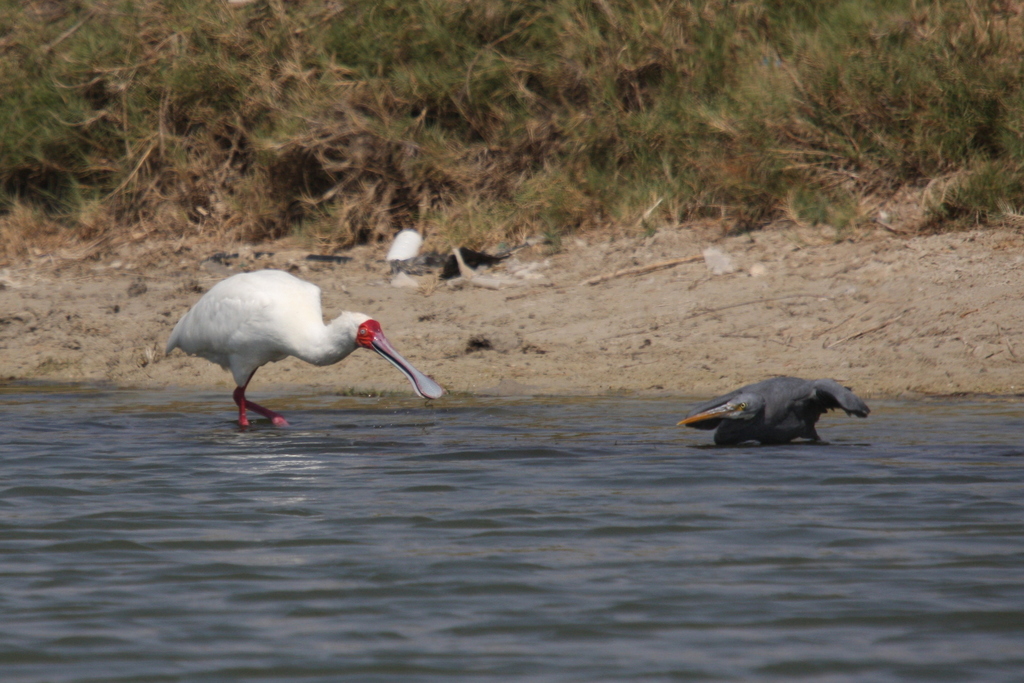
—observations
—countries
—peak records
Least ConcernConservation statusIUCN Red List categoriesLCNTVUENCREWEXLeast ConcernRed List categories, explained →
Diet & preySmall Fish, Aquatic Insects, Crustaceans
Predators
- Nile Crocodile
- African Fish Eagle
- Nile Monitor
ThreatsWetland drainage, water pollution, and disturbance at breeding colonies
HabitatsShallow freshwater lakes, marshes, floodplains, rivers, and coastal lagoons
Life span10–15 years in the wild
Classification
- FamilyThreskiornithidae
- SpeciesPlatalea alba
Range data is not available yet.
Interaction riskLow
- Low
- Moderate
- High
- Very high
- Why interaction risk is low
- Safe to observe at a normal distance.
Responsible observation
- Viewing Distance: Use binoculars or a spotting scope from shore to avoid flushing foraging birds.
- Nesting Colonies: Keep clear of flooded trees and reedbeds during breeding season so adults do not abandon chicks.
- Foraging Behavior: Watch for the rhythmic side-to-side sweeping motion of the spatulate bill in shallow water.
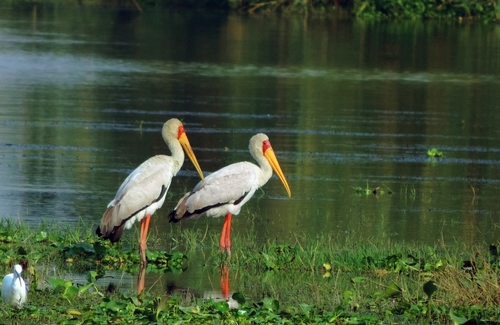
Frequent Companion (c) i_c_riddell, some rights reserved (CC BY), uploaded by i_c_riddell · cc-by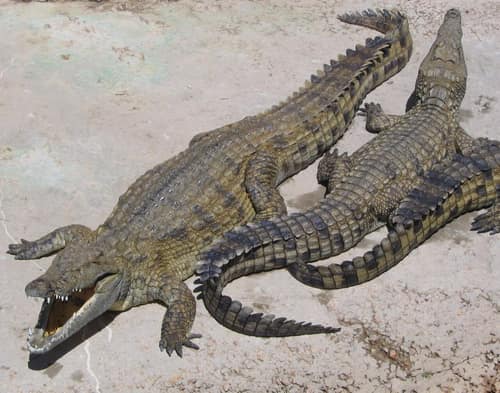
Predator Dewet / CC BY-SA 2.0 · cc-by-sa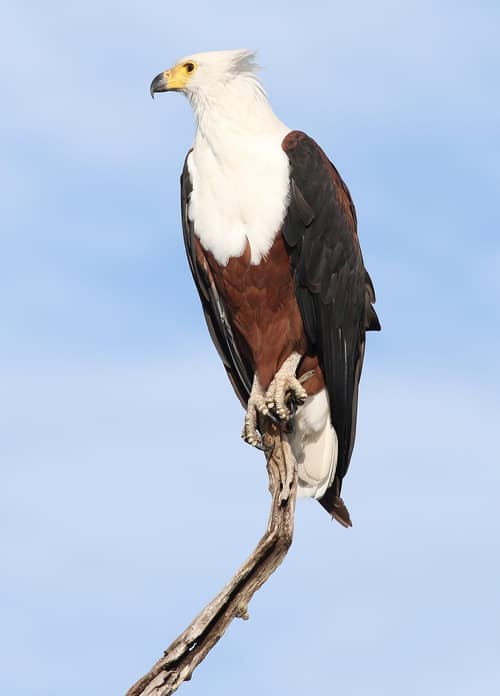
Predator Derek Keats from Johannesburg, South Africa / CC BY 2.0 · cc-by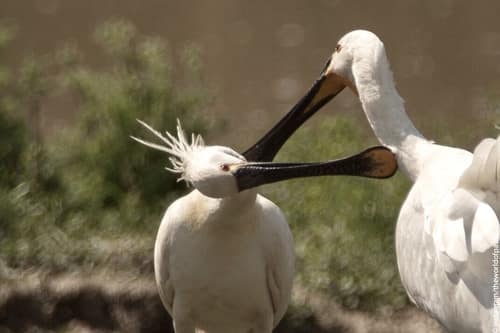
Close Relative (c) Paolo, some rights reserved (CC BY), uploaded by Paolo · cc-by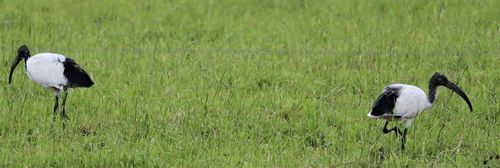
Same Family no rights reserved · cc0
Help improve the field guideSomething wrong?
Checking your Fauna account…Report a name, category, or profile issue for review.