
Bird
Osprey
Pandion haliaetusAlso known as Sea Hawk, River Hawk, Fish Hawk
Ospreys hover high over open water before plunging feet-first to seize live fish using barbed talons and a specialized reversible outer toe. Breeding pairs build massive stick nests atop tall trees, channel markers, or dedicated artificial platforms, often returning to the exact same site for decades. They orient captured fish headfirst in flight to streamline their aerodynamics as they carry prey to a high feeding perch.
RaptorMigratoryCosmopolitan
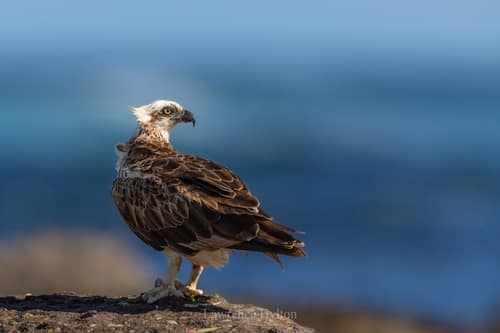
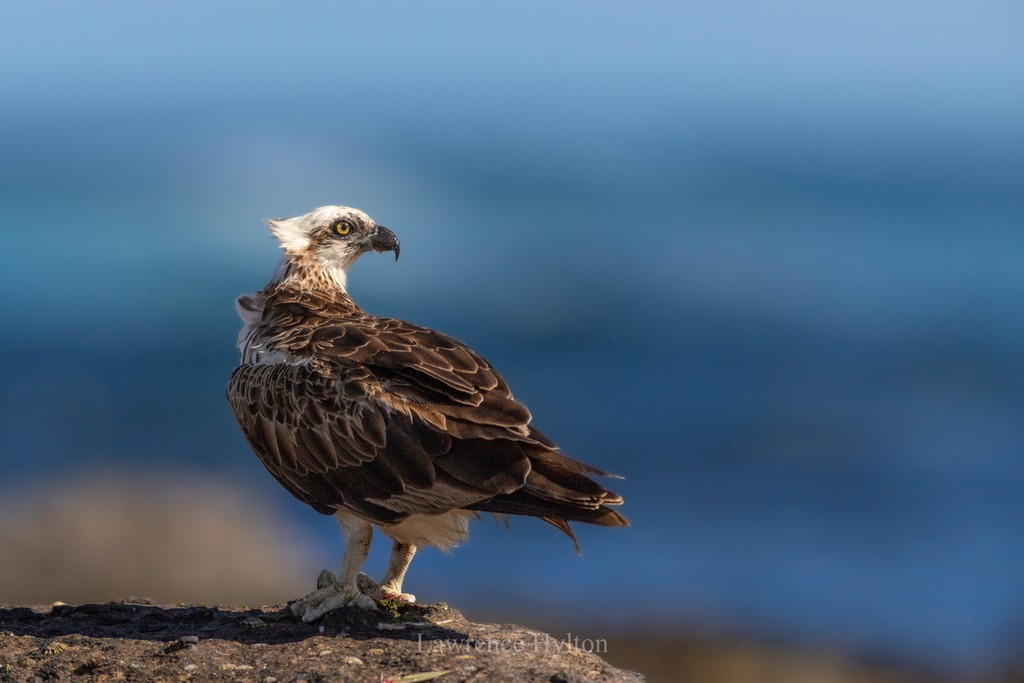
—observations
—countries
—peak records
Least ConcernConservation statusIUCN Red List categoriesLCNTVUENCREWEXLeast ConcernRed List categories, explained →
Diet & preyMullet, Trout, Flounder
Predators
- Great Horned Owl
- Bald Eagle
ThreatsHabitat alteration, fishing line entanglement, nest disturbance
HabitatsCoasts, rivers, lakes, reservoirs, estuaries
Life span15–25 years
Classification
- OrderAccipitriformes
- FamilyPandionidae
- GenusPandion
- SpeciesPandion haliaetus
Range data is not available yet.
Interaction riskLow
- Low
- Moderate
- High
- Very high
- Why interaction risk is low
- Equipped with powerful talons; keep a safe distance from active nests and never handle wild birds.
- What to notice
- Look for enormous stick structures perched on utility poles, trees, or nest platforms near open water.
- Support conservation
- Maintain a distance of at least 100 meters from nests and avoid flying drones near active pairs.
Responsible observation
- Observation Distance: Keep at least 100 meters away from active nest platforms during breeding season.
- In-Flight Identification: Look for a white underside, prominent dark wrist patches, and a kinked M-shaped wing silhouette.
- Spotting Hunts: Scan calm water bodies around midday when surface visibility is highest for plunging strikes.
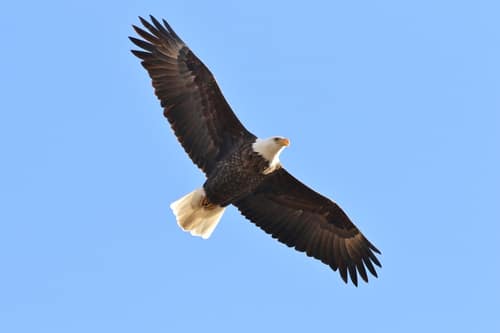
Competitor (c) Thibaud Aronson, some rights reserved (CC BY-SA), uploaded by Thibaud Aronson · cc-by-sa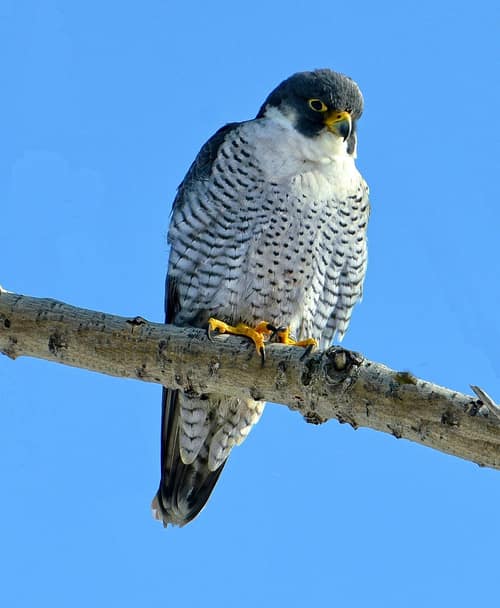
Co-Occurring Raptor Mykola Swarnyk / CC BY-SA 3.0 · cc-by-sa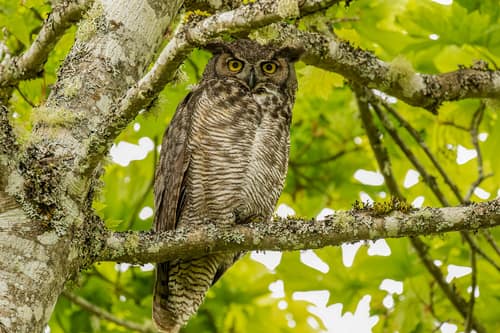
Predator "Great Horned Owl, the first I've seen in decent light this year. Didn't want to disturb it for too long so we continued along the trail" by island deborah- is licensed under CC BY-SA 2.0. To view a copy of this license, visit https://creativecommons.org/licenses/by-sa/2.0/. · cc-by-sa
Help improve the field guideSomething wrong?
Checking your Fauna account…Report a name, category, or profile issue for review.