
Bird · GBIF taxon 2480516
Harpy Eagle
Harpia harpyjaAlso known as American Harpy Eagle
Harpy eagles rule the upper canopy of Neotropical rainforests, maneuvering through dense foliage with short, broad wings to snatch arboreal mammals right out of the tree branches. Mated pairs maintain vast territories and rear a single chick every two to three years in massive stick nests built high atop emergent trees. Their massive talons exert pressure exceeding 500 pounds per square inch, allowing them to lift prey equal to their own body weight.
Apex PredatorRainforestCanopy Dweller
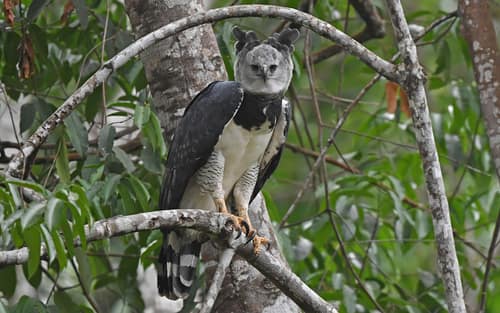
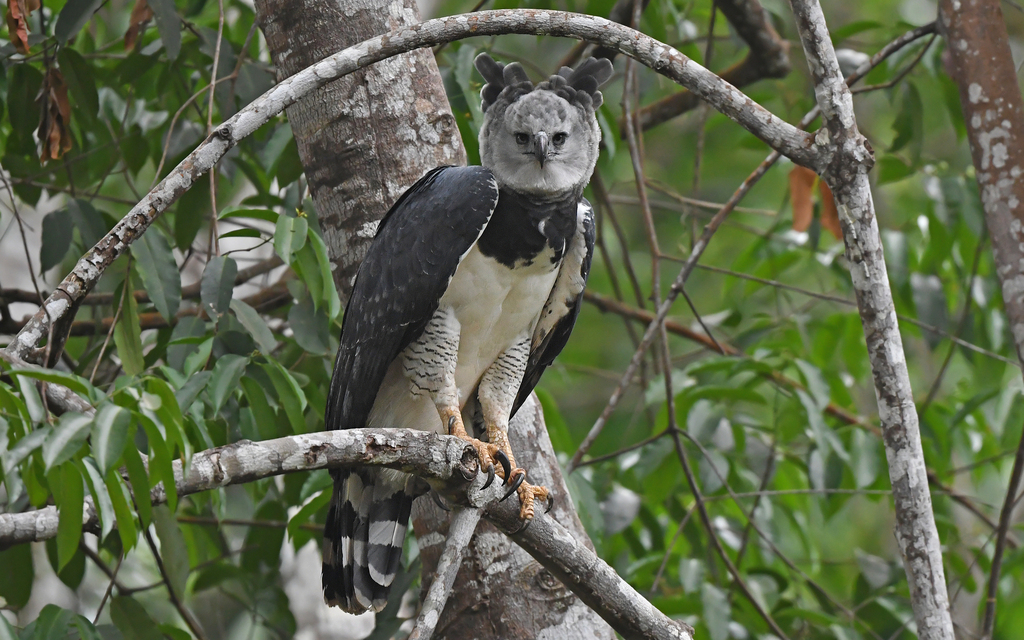 1 / 7
1 / 7—observations
—countries
—peak records
VulnerableConservation statusIUCN Red List categoriesLCNTVUENCREWEXVulnerableRed List categories, explained →
Diet & prey
- Tree sloths
- Howler monkeys
- Coatis
Predators
Not available
ThreatsDeforestation, forest fragmentation, direct shooting
HabitatsLowland tropical rainforests, emergent canopy layer
Life span25–35 years
Size / weightNot available
Classification
- FamilyAccipitridae
- SpeciesHarpia harpyja
Range data is not available yet.
Interaction riskLow
- Low
- Moderate
- High
- Very high
- Why interaction risk is low
- Nesting adults defend nest trees aggressively; maintain a wide distance to avoid talon strikes.
- Why it is dangerous
- Massive talons longer than a grizzly bear's claws deliver crushing pressure capable of severe lacerations and broken bones.
- How to recognize a risky encounter
- Look for a massive gray head with a double-pointed crest, dark chest band, and yellow feet with massive black talons.
- What to do
- Never approach active nest trees or corner a grounded bird; observe exclusively from a safe distance.
- What to notice
- Recognized by immense size, broad wings, white undersides, and a distinct double-feathered crest on the head.
- Support conservation
- Keep noise levels low, avoid flash photography near nests, and keep precise nest locations confidential.
Responsible observation
- Nest Safety: Maintain at least 100 meters distance from nest trees to prevent stress or defensive strikes.
- Observation Spotting: Scan the uppermost crowns of giant kapok and Brazil nut trees during early morning hours.
- Vocalization Identification: Listen for deep, ringing double-note whistles that carry across the forest canopy.

Prey (c) Bruno Henrique Aranda, some rights reserved (CC BY), uploaded by Bruno Henrique Aranda · cc-by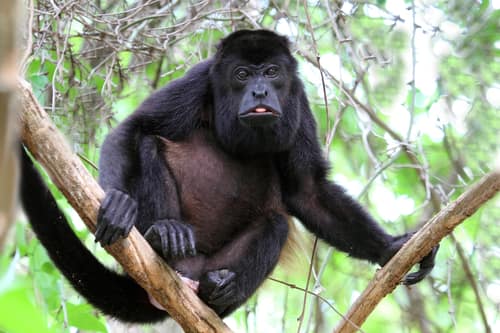
Prey (c) Cephas, some rights reserved (CC BY-SA) · cc-by-sa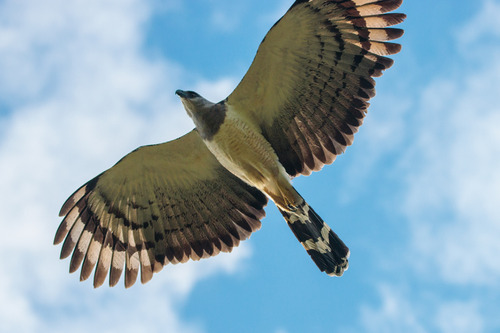
Close Relative (c) Thomaz de Carvalho Callado, some rights reserved (CC BY) · cc-by Image unavailable
Subfamily Relative
Help improve the field guideSomething wrong?
Checking your Fauna account…Report a name, category, or profile issue for review.