
Bird
Eastern Imperial Eagle
Aquila heliacaAlso known as Imperial Eagle
Eastern imperial eagles soar above open steppes and woodland edges, searching for ground squirrels, hares, and birds. Breeding pairs build massive stick nests high in the crowns of mature trees, often returning to the same site and adding new branches year after year. Electrocution on power lines, illegal poisoning, and nest destruction present severe ongoing hazards to these apex predators across their migratory routes.
Apex PredatorMigratoryRaptor
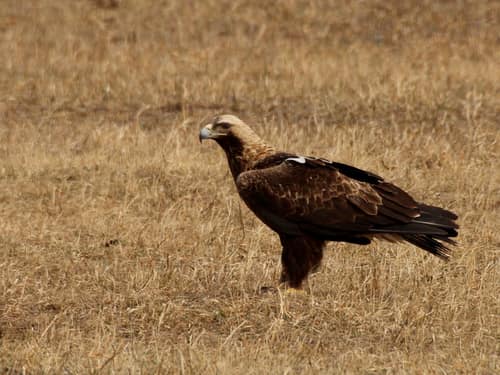
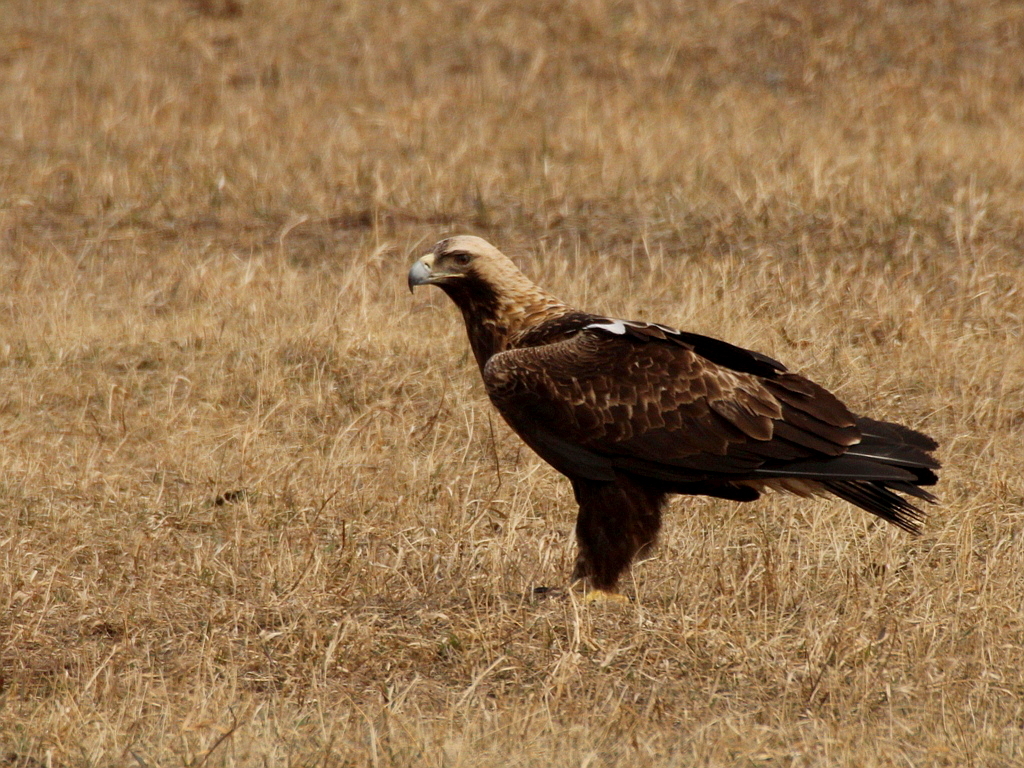
—observations
—countries
—peak records
VulnerableConservation statusIUCN Red List categoriesLCNTVUENCREWEXVulnerableRed List categories, explained →
Diet & preyEuropean Ground Squirrel, European Hare, Carrion
ThreatsElectrocution on power lines, habitat loss, illegal poisoning, persecution
HabitatsWooded steppe, open plains, river valleys, agricultural edges
Life span20–30 years
Classification
- FamilyAccipitridae
- SpeciesAquila heliaca
Range data is not available yet.
Interaction riskLow
- Low
- Moderate
- High
- Very high
- Why interaction risk is low
- Capable of inflicting painful injuries with strong talons if cornered; observe from a safe distance.
- What to notice
- Recognized by its dark body, golden-buff nape, and distinct white patches on the shoulder tops.
- Support conservation
- Keep at least 300 meters away from nesting sites and avoid sharing exact nesting locations publicly.
Responsible observation
- Observation Distance: Keep a respectful distance, especially near potential nesting trees, to avoid scaring parent birds away.
- Spotting Cues: Look for pale yellowish crowns and prominent white patches on the shoulders of adult birds in flight.
- Seasonal Timing: Watch for migrating birds across key flight corridors in autumn and early spring.
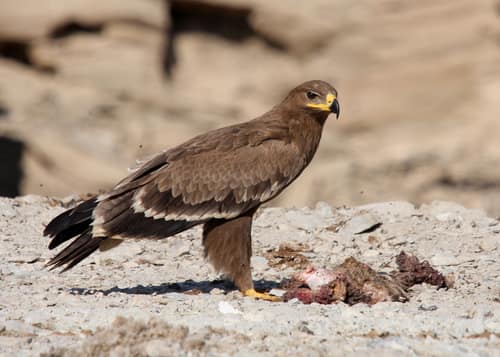
Competitor (c) Christoph Moning, some rights reserved (CC BY), uploaded by Christoph Moning · cc-by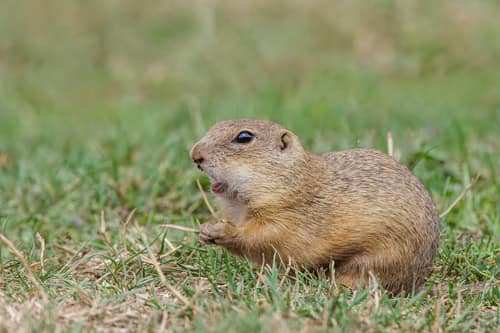
Primary Prey Charles J. Sharp / CC BY-SA 4.0 · cc-by-sa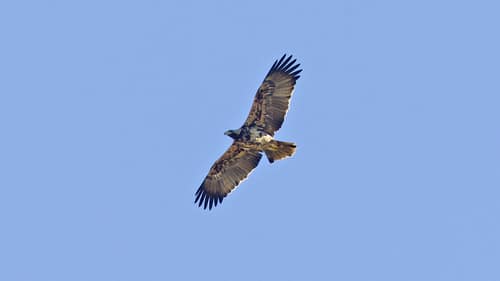
Close Relative (c) Juan lacruz, some rights reserved (CC BY-SA) · cc-by-sa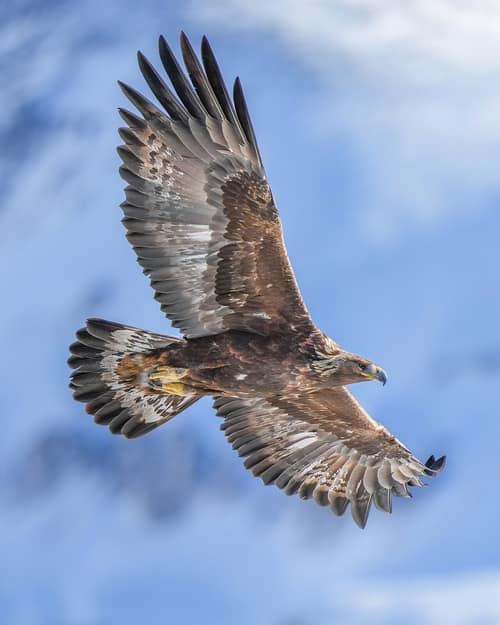
Genus Relative Giles Laurent / CC BY-SA 4.0 · cc-by-sa
Help improve the field guideSomething wrong?
Checking your Fauna account…Report a name, category, or profile issue for review.