
White-tailed Sea Eagle
Haliaeetus albicillaAlso known as White-tailed Eagle, Erne, Eurasian Sea Eagle, Gray Sea Eagle
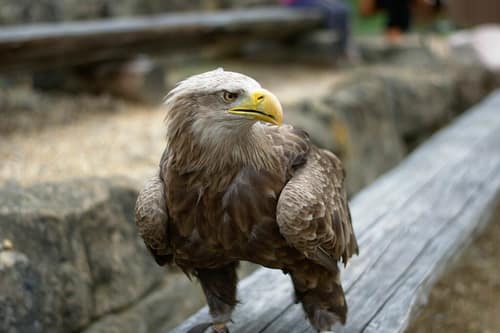
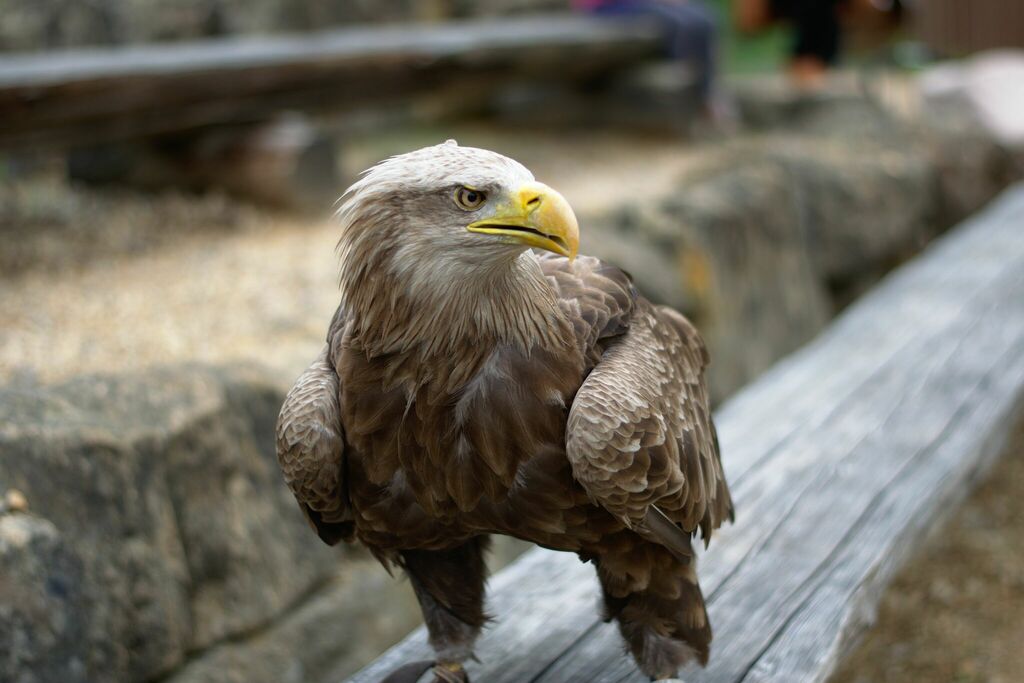
White-tailed sea eagles soar over coastal cliffs, wetlands, and large rivers on broad, barn-door wings with deeply slotted primary feathers. These massive apex predators construct enormous stick nests in dominant trees or on cliff ledges, expanding the same eyrie over decades. They feed opportunistically by snatching fish from water surfaces, stealing prey from other waterfowl, or scavenging carcasses during winter.
- Fish
- Waterfowl
- Carrion
Not available
- OrderAccipitriformes
- FamilyAccipitridae
- GenusHaliaeetus
- SpeciesHaliaeetus albicilla
- Low
- Moderate
- High
- Very high
- Why interaction risk is low
- Safe to observe from a distance; do not approach nests or handle injured birds.
- What to notice
- Recognizable by its massive rectangular wingspan, heavy yellow bill, and bright white wedge-shaped tail.
- Support conservation
- Give nesting trees and cliff sites a wide berth of several hundred meters and never fly drones near eagles.
- Keep Distance: Maintain at least 300 meters from active nesting sites to prevent adult desertion.
- Use Optics: Scan coastlines, lake shores, and open ice using a spotting scope or binoculars.
- Watch Winter Roosts: Look for gatherings near open water bodies or deer carcasses during winter.
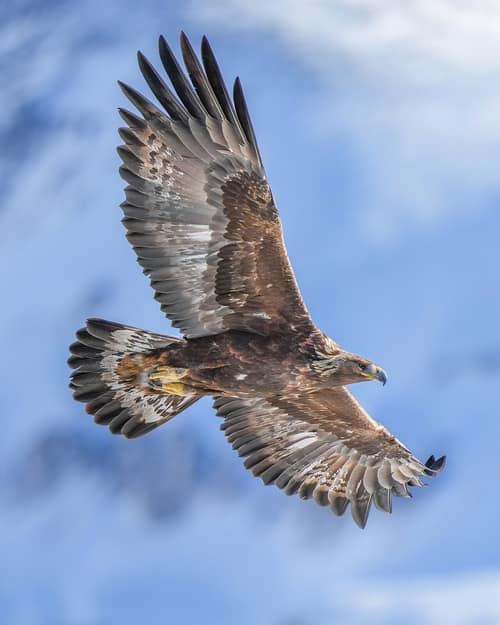
Competitor Giles Laurent / CC BY-SA 4.0 · cc-by-sa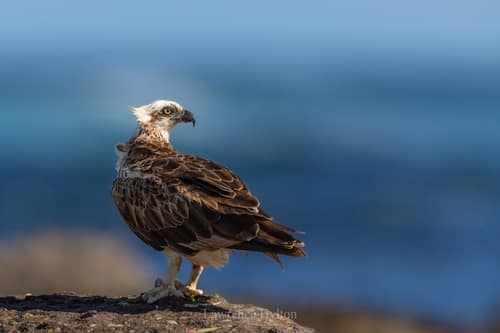
Competitor (c) Lawrence Hylton, some rights reserved (CC BY), uploaded by Lawrence Hylton · cc-by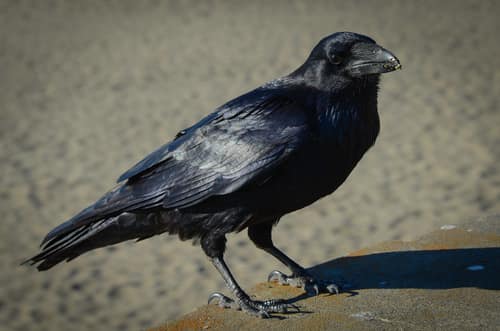
Competitor "Common Raven (Corvus corax)" by Franco Folini is licensed under CC BY-SA 2.0. To view a copy of this license, visit https://creativecommons.org/licenses/by-sa/2.0/. · cc-by-sa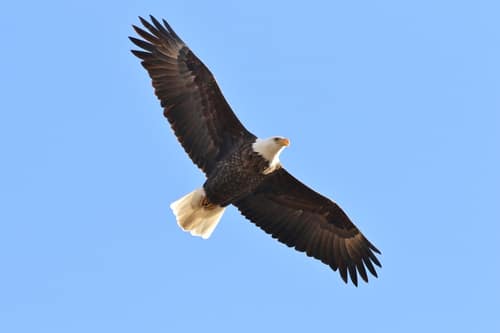
Close Relative (c) Thibaud Aronson, some rights reserved (CC BY-SA), uploaded by Thibaud Aronson · cc-by-sa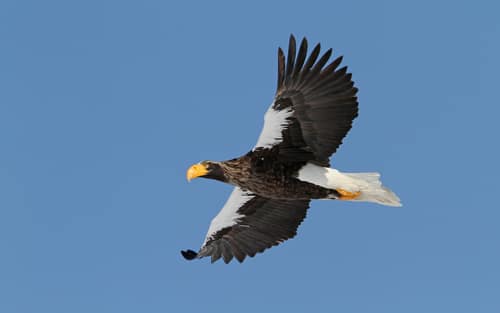
Close Relative (c) Christoph Moning, some rights reserved (CC BY), uploaded by Christoph Moning · cc-by
Found in Collections
Alpine Heights
White-tailed Sea Eagle is found in this collection. Identify it in Fauna to fill this slot and continue your progress.
Unlock to track progress
Mystic Meadows
White-tailed Sea Eagle is found in this collection. Identify it in Fauna to fill this slot and continue your progress.
Unlock to track progress
Report a name, category, or profile issue for review.