
Bird
Ornate Lorikeet
Trichoglossus ornatusAlso known as Ornate Lory
Ornate lorikeets flash brilliant emerald, crimson, and cobalt plumage as they dart in noisy pairs and small flocks above the forests of Sulawesi. A specialized brush-tipped tongue lets them lap nectar and pollen directly from tropical blossoms, supplemented by soft fruits and occasional insects. These social parrots roost communally in tall trees and announce their fast, direct flights with shrill, chattering calls.
ColorfulNectarivoreEndemic
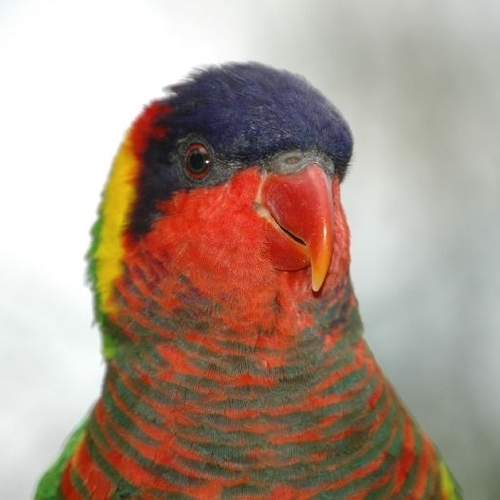
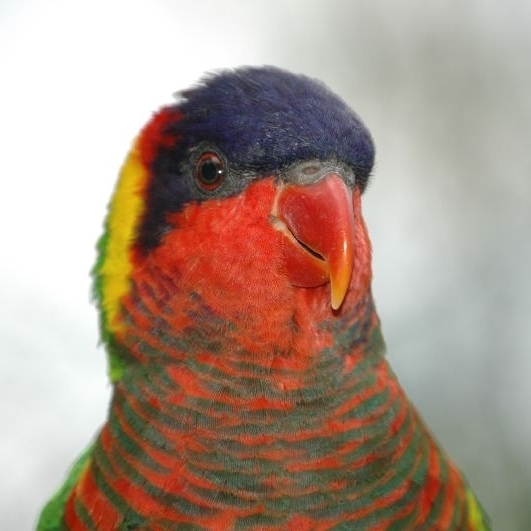
—observations
—countries
—peak records
Least ConcernConservation statusIUCN Red List categoriesLCNTVUENCREWEXLeast ConcernRed List categories, explained →
Diet & preyTree nectar, Pollen, Soft fruits
Predators
- Hawks and falcons
- Tree snakes
- Monitor lizards
ThreatsTrapping for the cage-bird trade and localized lowland deforestation
HabitatsLowland and hill forests, woodland edges, mangroves, and coconut plantations on Sulawesi
Life span15–25 years
Classification
- FamilyPsittacidae
- SpeciesTrichoglossus ornatus
Range data is not available yet.
Interaction riskLow
- Low
- Moderate
- High
- Very high
- Why interaction risk is low
- Sharp hooked beak can deliver a painful bite if handled; observe wild birds from a distance.
Responsible observation
- Listen First: High-pitched, chattering flight calls often announce a flock before you spot them in the canopy.
- Scan Flowering Trees: Look around blooming palms and forest edge blossoms in early morning when feeding activity peaks.
- Keep Distance: Use binoculars to enjoy their plumage without startling feeding pairs or nesting birds.
 Image unavailable
Competitor Competitor Neighbor Neighbor 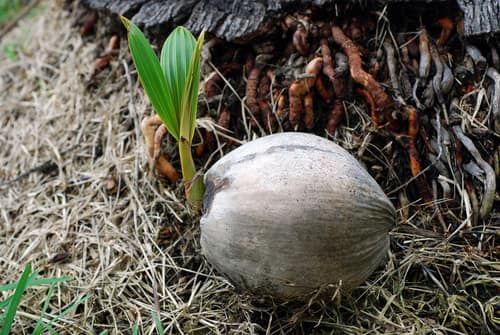
Food Source (c) Douglas Goldman, some rights reserved (CC BY-SA), uploaded by Douglas Goldman · cc-by-sa
Help improve the field guideSomething wrong?
Checking your Fauna account…Report a name, category, or profile issue for review.