
Bird
Rufous Hummingbird
Selasphorus rufusRufous hummingbirds carry out one of the longest migratory journeys of any bird relative to body size, traveling an oval circuit from wintering grounds in Mexico up the Pacific Coast to breeding territory as far north as Alaska. Males display fierce territorial aggression, diving steeply and producing loud wing buzzes to drive rival hummingbirds and much larger animals away from prime nectar patches. Females build tiny, lichen-camouflaged cup nests bound with spider silk, laying two pea-sized white eggs each season.
MigratoryFeistyPollinator
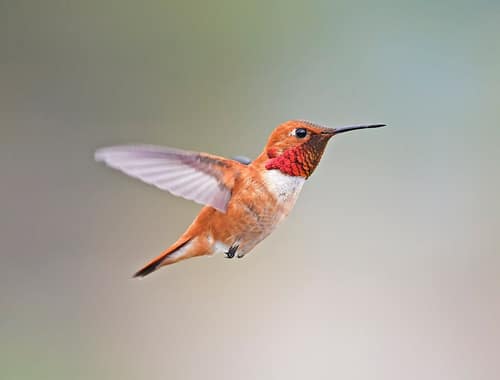
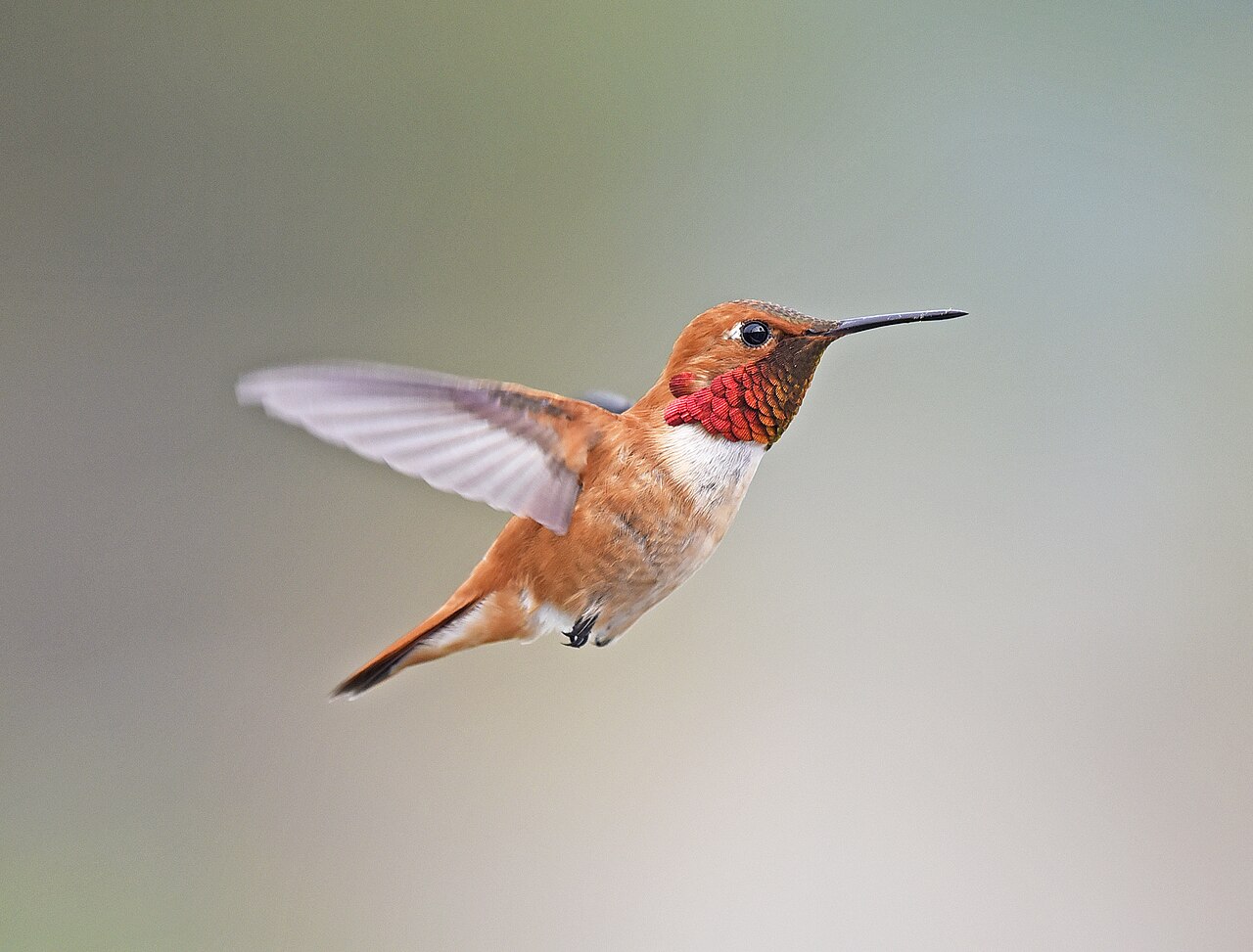
—observations
—countries
—peak records
Near ThreatenedConservation statusIUCN Red List categoriesLCNTVUENCREWEXNear ThreatenedRed List categories, explained →
Diet & preyFlower Nectar, Gnats, Spiders
Predators
- Sharp-shinned Hawk
- Domestic Cat
- Praying Mantis
ThreatsHabitat degradation along migration routes and climate-driven bloom timing shifts
HabitatsMountain meadows, forest edges, and suburban gardens
Life span3–6 years
Classification
- OrderApodiformes
- FamilyTrochilidae
- GenusSelasphorus
- SpeciesSelasphorus rufus
Native
Interaction riskLow
- Low
- Moderate
- High
- Very high
- Why interaction risk is low
- Safe to observe at a normal distance.
- What to notice
- Recognize males by their bright rufous orange back and glowing fiery-red gorget, or females by their green back with rufous flanks.
- Support conservation
- Keep a respectful distance from nests and maintain clean, dye-free sugar water in backyard feeders.
Responsible observation
- Feeder Placement: Hang sugar-water feeders out of reach of cats and clean them every few days to prevent mold.
- Plant Native Flowers: Grow tubular orange and red flowers like columbine and penstemon to provide natural nectar.
- Observe Perches: Watch prominent exposed twigs near feeders where males aggressively guard their feeding territory.
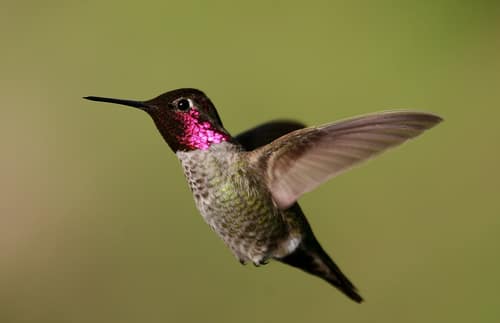
Competitor Robert McMorran, United States Fish and Wildlife Service / Public domain · cc0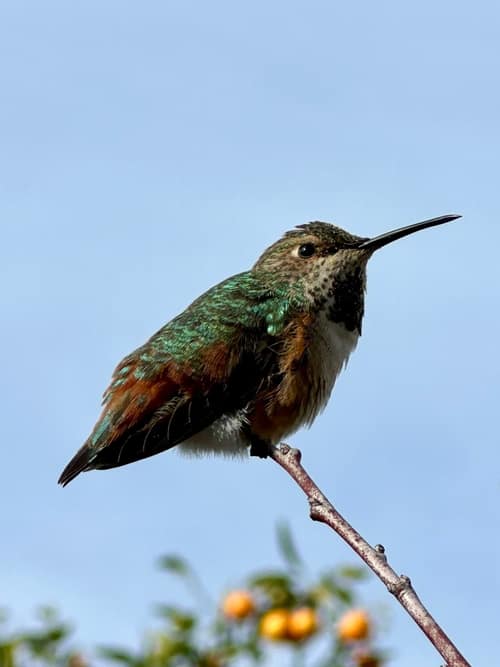
Close Relative (c) Roberto Daniel Avila, some rights reserved (CC BY), uploaded by Roberto Daniel Avila · cc-by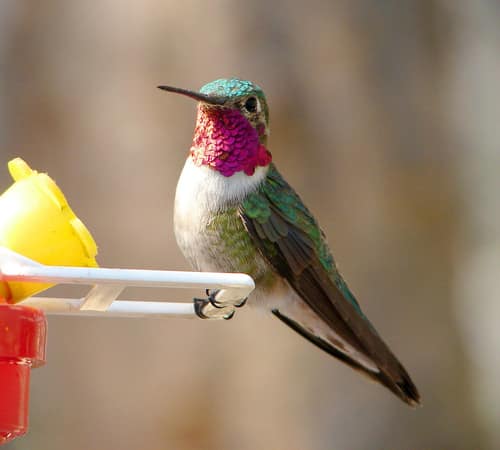
Close Relative Michelle Lynn Reynolds / CC BY-SA 3.0 · cc-by-sa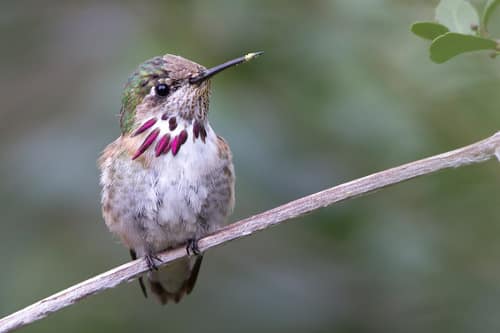
Close Relative Dan Pancamo / CC BY-SA 2.0 · cc-by-sa
Keep collecting in Fauna
Found in Collections
Species set Pro
Backyard Birds
Rufous Hummingbird is found in this collection. Identify it in Fauna to fill this slot and continue your progress.
Unlock to track progress
Help improve the field guideSomething wrong?
Checking your Fauna account…Report a name, category, or profile issue for review.