
Bird · GBIF taxon 2476715
Hispaniolan Mango
Anthracothorax dominicusAlso known as Dominican Mango
Hispaniolan mangos forage actively along forest edges, gardens, and shrubby hillsides, where they flick their dark metallic tails while hovering at flowering trees. Males display deep metallic green upperparts and a velvety black breast bordered by glossy purple, while females feature a pale greyish chest and white-tipped outer tail feathers. They defend rich nectar sources aggressively against other hummingbirds and smaller birds throughout the year.
NectarivoreEndemicPollinator
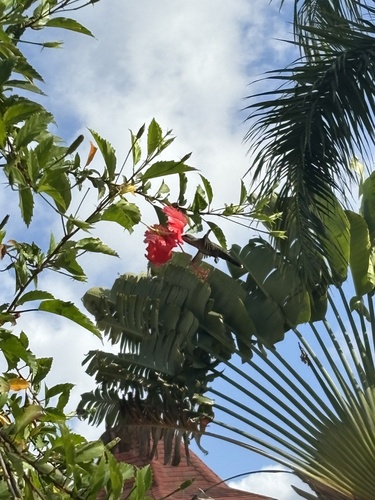
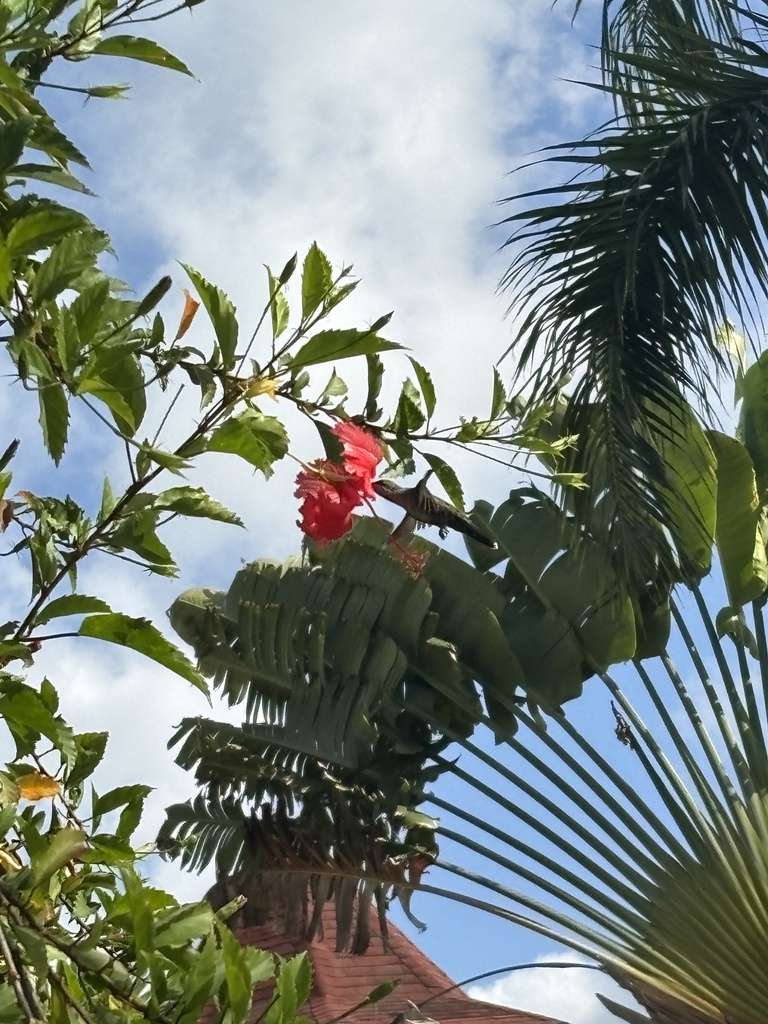
—observations
—countries
—peak records
Least ConcernConservation statusIUCN Red List categoriesLCNTVUENCREWEXLeast ConcernRed List categories, explained →
Diet & prey
- Flower Nectar
- Small Flying Insects
- Spiders
Predators
- Sharp-shinned Hawk
- Domestic Cat
- Hispaniolan Boa
ThreatsHabitat loss from deforestation, intense storms, and agricultural expansion
HabitatsSubtropical and tropical dry forests, moist lowland forests, plantations, and gardens
Life span3–6 years in the wild
Size / weightNot available
Classification
- FamilyTrochilidae
- SpeciesAnthracothorax dominicus
Range data is not available yet.
Interaction riskLow
- Low
- Moderate
- High
- Very high
- Why interaction risk is low
- Safe to observe at a normal distance.
Responsible observation
- Feeder Placement: Set up sugar-water feeders near native flowering shrubs to attract foraging adults.
- Viewing Distance: Maintain a quiet stance near nectar plants to observe hovering and territorial displays.
- Photographic Timing: Watch for active feeding during early morning hours when nectar flow peaks.

Competitor (c) Anthony Batista, some rights reserved (CC BY) · cc-by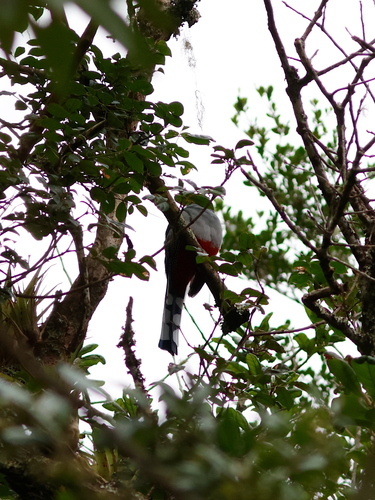
Frequent Companion (c) Dan Riley, some rights reserved (CC BY) · cc-by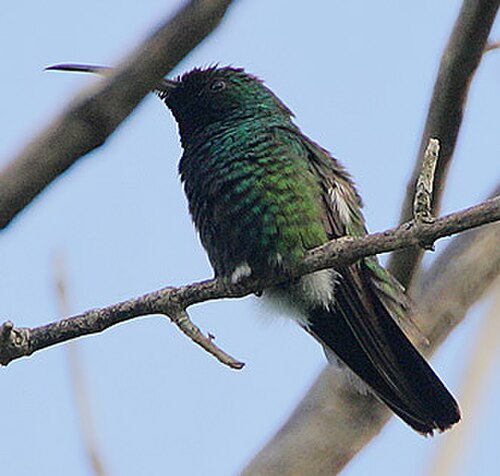
Close Relative Steve Garvie from Dunfermline, Fife, Scotland / CC BY-SA 2.0 · cc-by-sa
Help improve the field guideSomething wrong?
Checking your Fauna account…Report a name, category, or profile issue for review.