
Bird · GBIF taxon 2475532
Common Kingfisher
Alcedo atthisAlso known as Eurasian Kingfisher, River Kingfisher
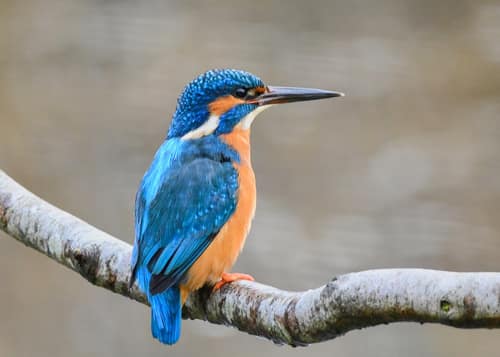
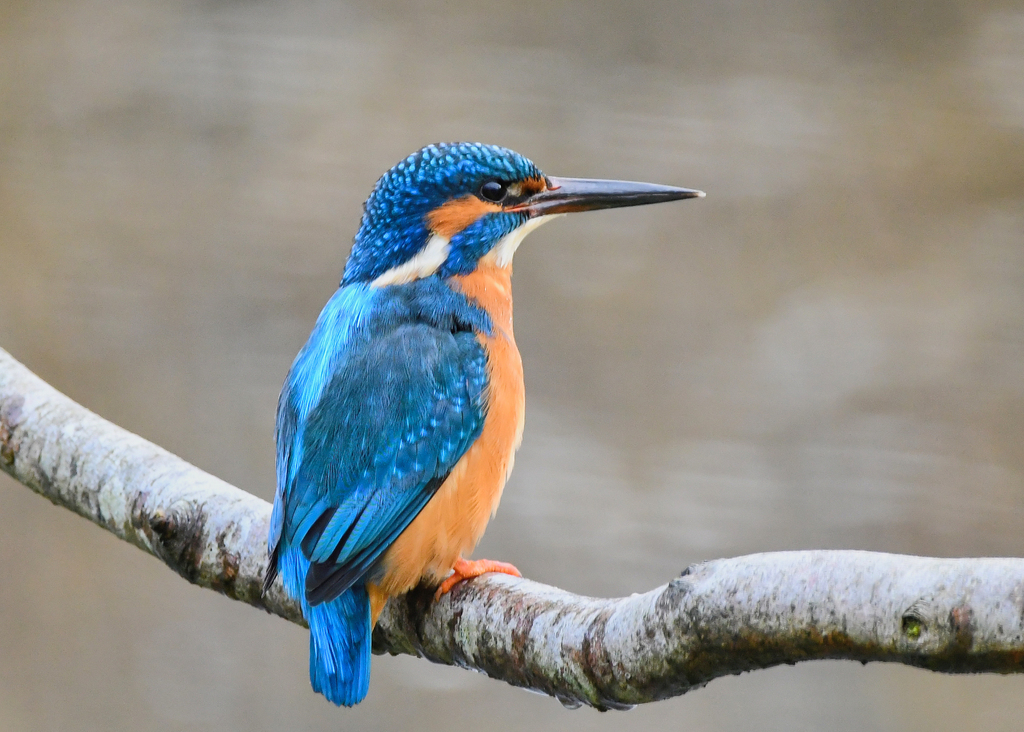
Common kingfishers dart low over calm waters like metallic turquoise sparks, recognizable by their dazzling cobalt backs and rich chestnut underparts. They spend long hours perched motionless on low branches before plummeting bill-first into streams to snatch small fish with remarkable precision. A sharp whistle usually announces their swift, straight flight before they vanish around a bend in the river.
PiscivoreColorfulMigratory
 1 / 7
1 / 7—observations
—countries
—peak records
Least ConcernConservation statusIUCN Red List categoriesLCNTVUENCREWEXLeast ConcernRed List categories, explained →
Diet & prey
- Eurasian Minnow
- Three-spined Stickleback
- Freshwater Shrimp
Predators
- Eurasian Sparrowhawk
- Northern Goshawk
- Domestic Cat
ThreatsSevere winter freezes, riverbank canalization, and water pollution
HabitatsClear freshwater streams, rivers, canals, lakes, and coastal estuaries
Life span1–5 years
Size / weightNot available
Classification
- FamilyAlcedinidae
- SpeciesAlcedo atthis
Range data is not available yet.
Interaction riskLow
- Low
- Moderate
- High
- Very high
- Why interaction risk is low
- Safe to observe at a normal distance.
- What to notice
- Look for an electric blue bird with an orange chest flying fast and straight along waterways.
- Support conservation
- Observe from a distance using binoculars and refrain from lingering near nest banks in spring.
Responsible observation
- Spotting Strategy: Watch motionless branches overhang slow-moving streams early in the morning.
- Auditory Clues: Listen for a high-pitched, piping whistle uttered during rapid low flight.
- Nesting Etiquette: Maintain distance from vertical sandy banks where nest tunnels are excavated.
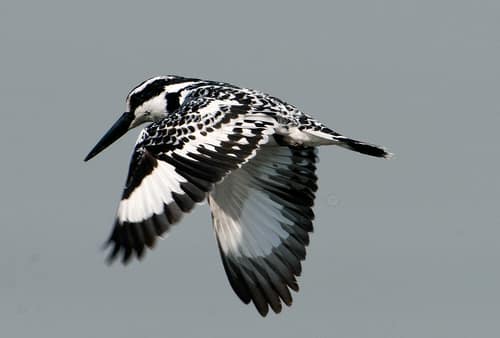
Competitor (c) Koshy Koshy, some rights reserved (CC BY) · cc-by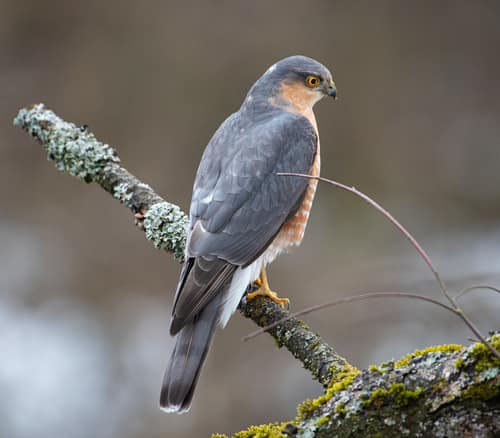
Predator (c) Stanislav Murashkin, some rights reserved (CC BY), uploaded by Stanislav Murashkin · cc-by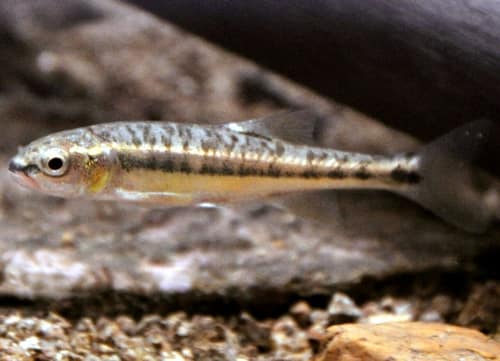
Prey Adrien Pinot / CC BY-SA 3.0 · cc-by-sa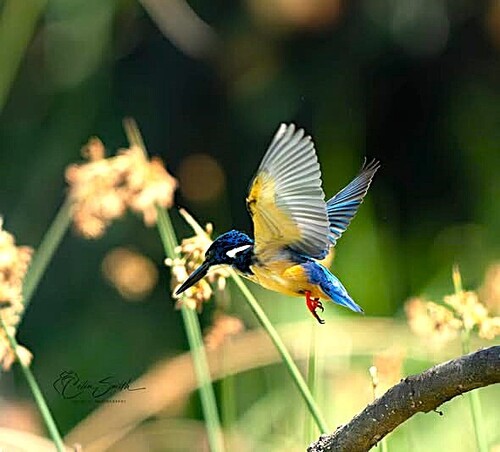
Close Relative no rights reserved · cc0
Help improve the field guideSomething wrong?
Checking your Fauna account…Report a name, category, or profile issue for review.