
Bird · GBIF taxon 2474936
Demoiselle Crane
Anthropoides virgoAlso known as Koonj, Kurjaa
Demoiselle cranes are the smallest members of the crane family, recognizable by their sleek grey plumage, striking white plumes behind the eyes, and long black neck feathers. Every autumn, thousands undertake an extraordinary journey across the Himalayas, soaring past extreme altitudes to winter in warmer regions of Africa and South Asia. On their wintering grounds, large communal flocks gather in grasslands and agricultural fields, filling the air with high-pitched trumpeting calls.
MigratoryHigh AltitudeSocial
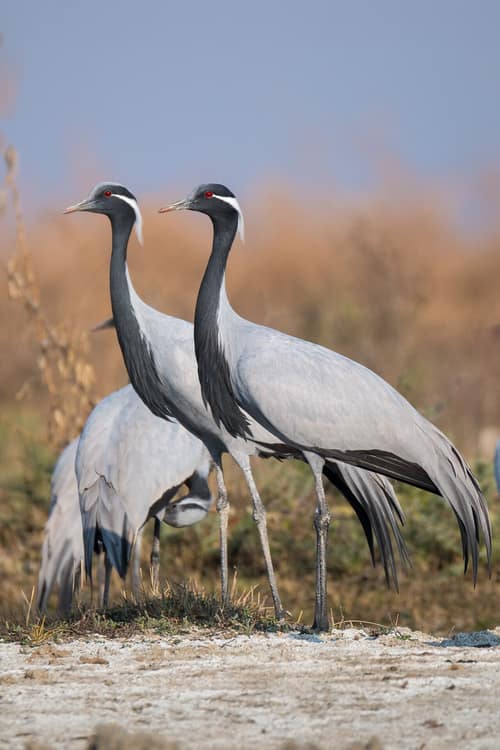
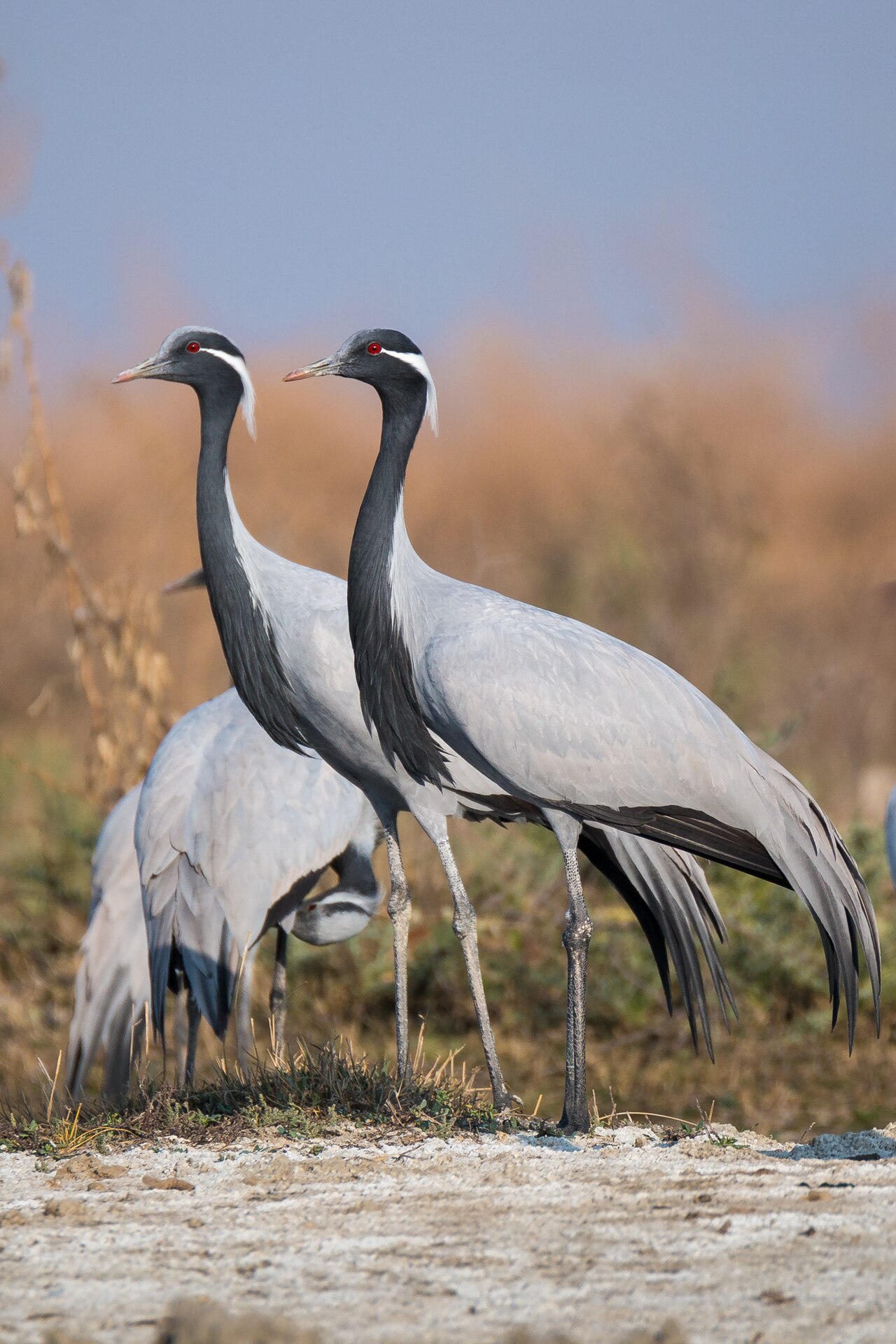
Licensed referenceSumeet Moghe / CC BY-SA 3.0 · cc-by-sa
—observations
—countries
—peak records
Least ConcernConservation statusIUCN Red List categoriesLCNTVUENCREWEXLeast ConcernRed List categories, explained →
Diet & prey
- Locusts
- Lizards
- Cereal Grains
Predators
- Golden Eagles
- Grey Wolves
- Red Foxes
ThreatsAgricultural intensification, habitat degradation, power line collisions, and illegal hunting
HabitatsSteppes, grasslands, semi-deserts, agricultural lands, and river valleys
Life span20–25 years
Size / weightNot available
Classification
- FamilyGruidae
- SpeciesAnthropoides virgo
Range data is not available yet.
Interaction riskLow
- Low
- Moderate
- High
- Very high
- Why interaction risk is low
- Safe to observe at a normal distance.
Responsible observation
- Observation Distance: Keep a respectful distance in open fields, as flocking cranes flush easily when approached on foot.
- Wintering Hotspots: Visit known wintering sites like Khichan in India to observe thousands feeding together.
- Vocal Identification: Listen for high-pitched, rasping trumpeting calls distinct from the deeper calls of larger cranes.
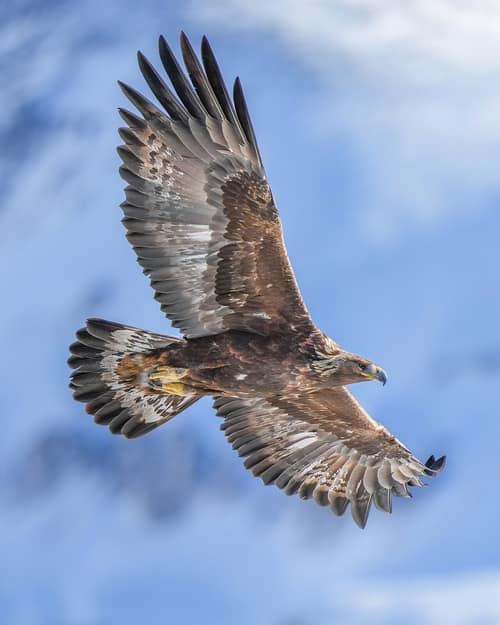
Predator Giles Laurent / CC BY-SA 4.0 · cc-by-sa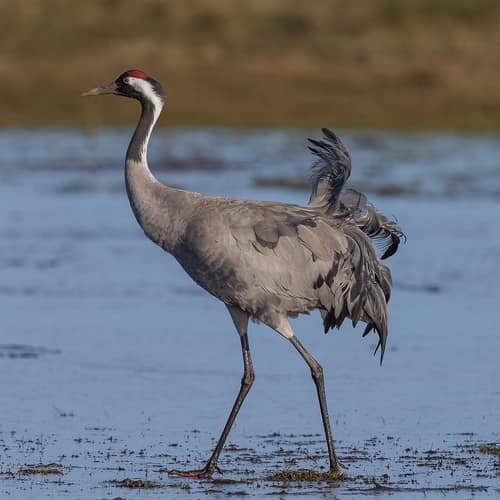
Close Relative Andreas Trepte / CC BY-SA 2.5 · cc-by-sa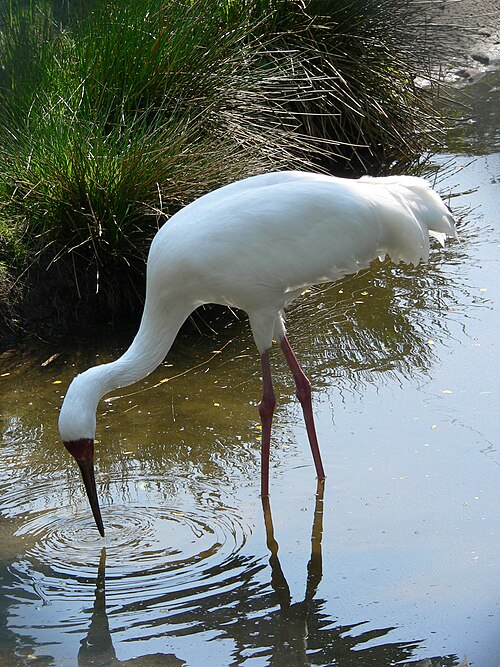
Eurasian Relative BS Thurner Hof / CC BY-SA 3.0 · cc-by-sa
Help improve the field guideSomething wrong?
Checking your Fauna account…Report a name, category, or profile issue for review.