
Bird · GBIF taxon 2474386
Hawaiian Coot
Fulica alaiAlso known as Alae Ke'oke'o, Hawaiian Mudhen, Alae Keokeo
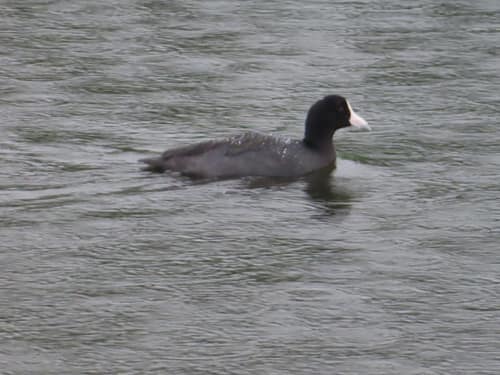
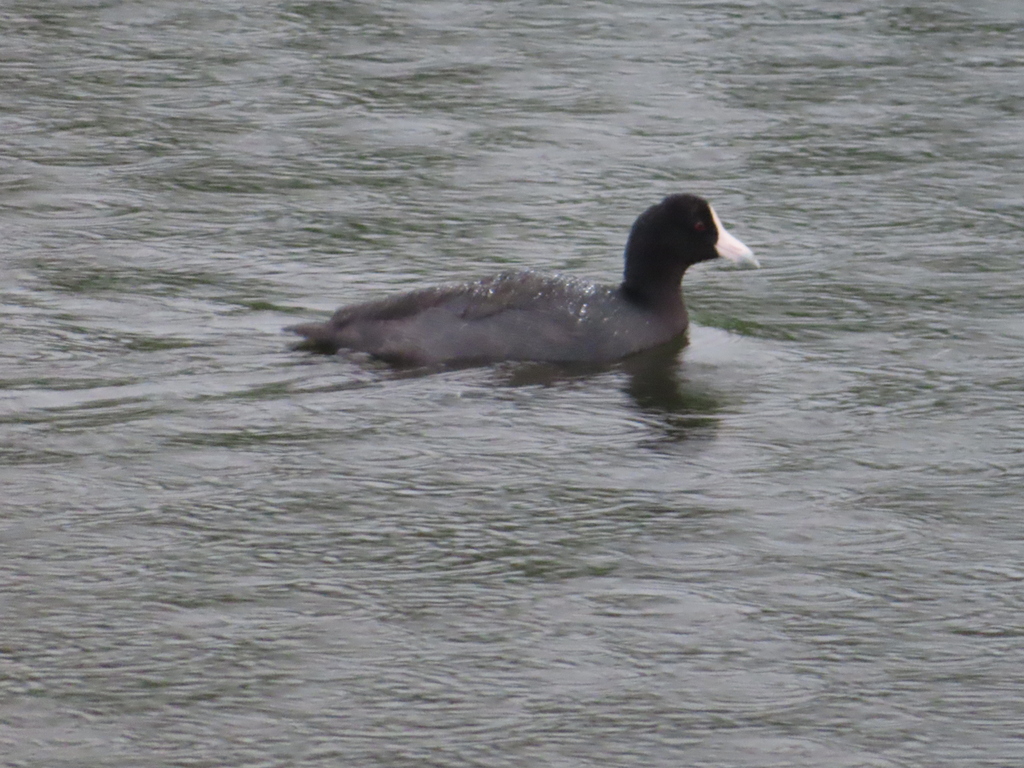
Hawaiian coots build floating nests anchored to emergent aquatic vegetation in low-elevation freshwater marshes and brackish coastal lagoons. Distinctive lobed toes allow them to swim efficiently through open water and tread across soft mud without sinking. In traditional Hawaiian lore, ʻalae keʻokeʻo played a central role in bringing fire to humanity, leaving its forehead marked with a prominent shield.
EndemicWaterbirdAquatic
—observations
—countries
—peak records
Near ThreatenedConservation statusIUCN Red List categoriesLCNTVUENCREWEXNear ThreatenedRed List categories, explained →
Diet & prey
- Aquatic vegetation
- Submerged seeds
- Aquatic invertebrates
Predators
- Small Asian mongoose
- Feral cat
- Black-crowned night heron
ThreatsHabitat loss, wetland drainage, and introduced predators like mongooses and feral cats
HabitatsFreshwater lakes, marshes, coastal lagoons, and water storage areas
Life span10–15 years
Size / weightNot available
Classification
- FamilyRallidae
- SpeciesFulica alai
Range data is not available yet.
Interaction riskLow
- Low
- Moderate
- High
- Very high
- Why interaction risk is low
- Safe to observe at a normal distance.
- What to notice
- Look for a dark grey-to-black body paired with a bright white bill and prominent forehead shield in Hawaiian wetlands.
- Support conservation
- Observe quietly from marked paths or platforms and never enter protected marshland vegetation during nesting season.
Responsible observation
- Observation Blinds: Use established boardwalks or viewing platforms near wetlands to avoid scaring nesting pairs.
- Distance Keeping: Maintain a quiet margin along marsh edges, as adults become skittish during breeding season.
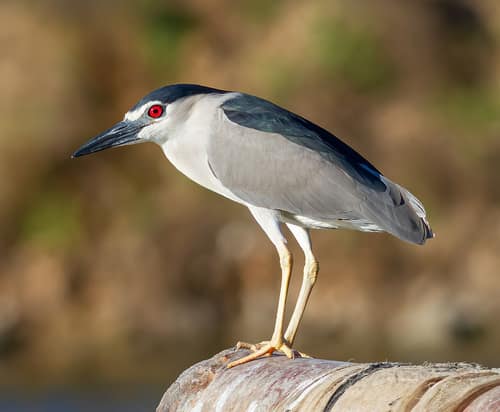
Predator ramidos / CC BY 4.0 · cc-by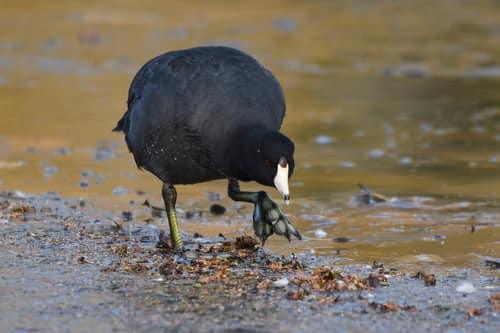
Close Relative (c) Justin Flint, some rights reserved (CC BY), uploaded by Justin Flint · cc-by
Help improve the field guideSomething wrong?
Checking your Fauna account…Report a name, category, or profile issue for review.