
Bird · GBIF taxon 2474045
Barbary Partridge
Alectoris barbaraAlso known as Barbary Rock Partridge, African Partridge
Barbary partridges thrive in arid, sun-drenched hillsides and scrublands across North Africa, recognizable by their chestnut collar spotted with white and bold black-and-white flank stripes. Pairs and small coveys spend their mornings foraging quietly on the ground for seeds, plant shoots, and beetles before seeking shade during the heat of the day. When startled, they prefer to run swiftly uphill rather than take flight, flushing into the air with loud, whirring wingbeats only as a last resort.
TerrestrialGamebirdGranivore
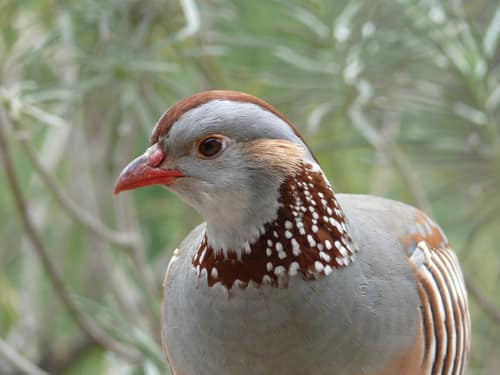
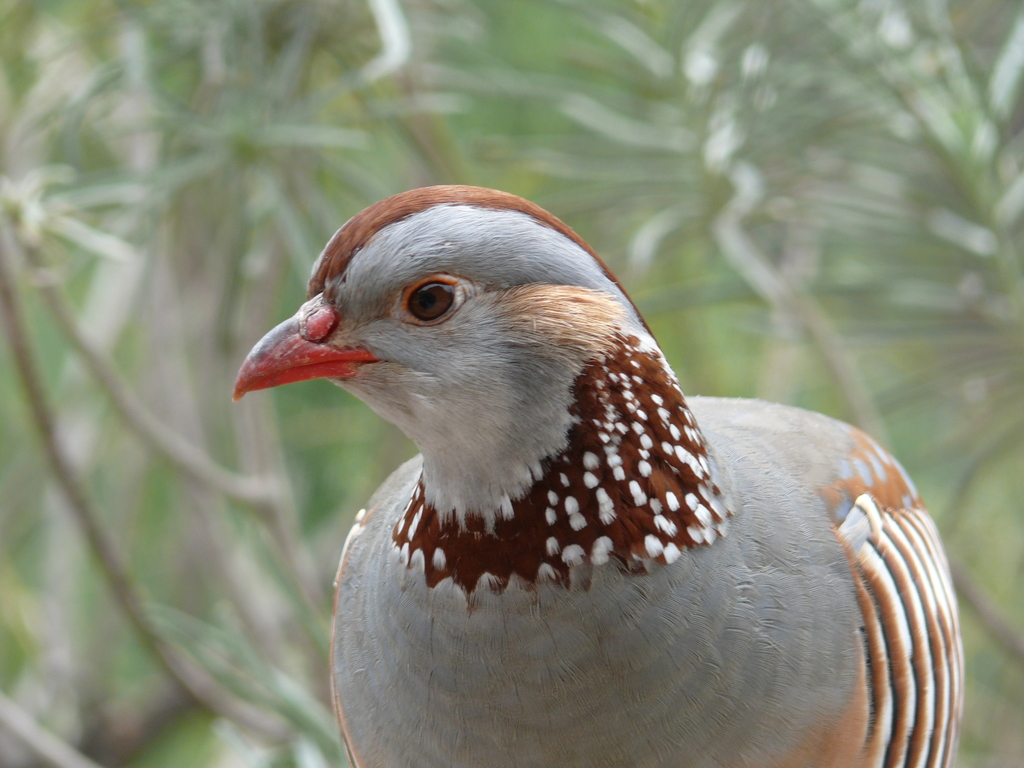
Licensed reference(c) FritsM, some rights reserved (CC BY) · cc-by
—observations
—countries
—peak records
Least ConcernConservation statusIUCN Red List categoriesLCNTVUENCREWEXLeast ConcernRed List categories, explained →
Diet & prey
- Seeds
- Insects
- Plant Shoots
Predators
- Raptors
- Foxes
- Feral Cats
ThreatsOverhunting, invasive predators, and habitat degradation
HabitatsDry rocky hillsides, scrubland, semi-desert, and agricultural edges
Life span3 to 5 years
Size / weightNot available
Classification
- FamilyPhasianidae
- SpeciesAlectoris barbara
Range data is not available yet.
Interaction riskLow
- Low
- Moderate
- High
- Very high
- Why interaction risk is low
- Safe to observe at a normal distance.
Responsible observation
- Listen for Calls: Scan rocky slopes in early morning when males give their ringing, repetitive territorial calls.
- Keep Your Distance: Approach slowly along established trails to avoid flushing coveys from their cover.
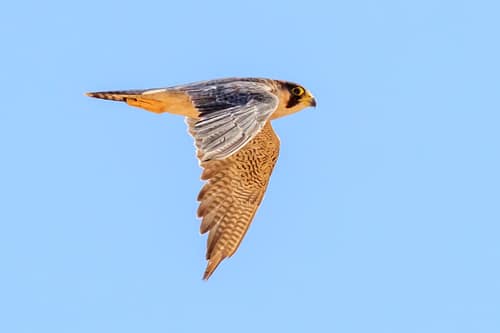
Predator (c) ramidos, some rights reserved (CC BY), uploaded by ramidos · cc-by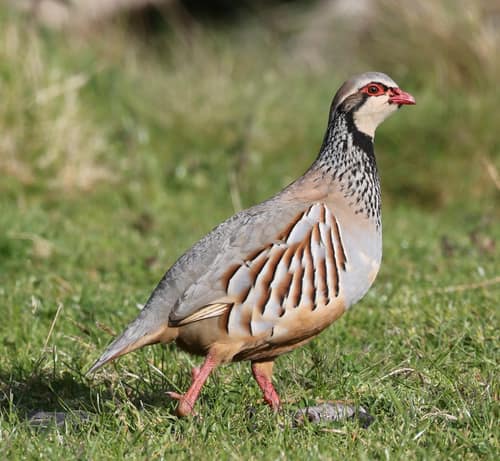
Close Relative (c) Jerry Lanfear, some rights reserved (CC BY), uploaded by Jerry Lanfear · cc-by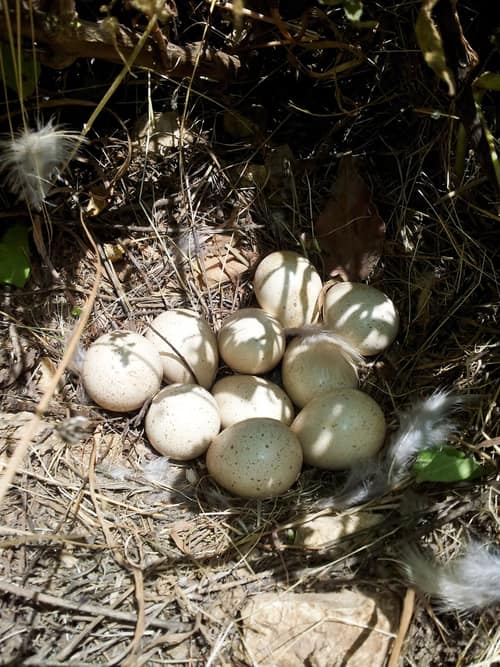
Close Relative (c) Nasser Halaweh, some rights reserved (CC BY), uploaded by Nasser Halaweh · cc-by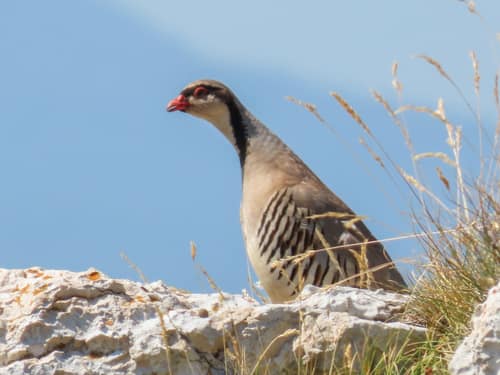
Close Relative (c) Emanuele Santarelli, some rights reserved (CC BY-SA), uploaded by Emanuele Santarelli · cc-by-sa
Help improve the field guideSomething wrong?
Checking your Fauna account…Report a name, category, or profile issue for review.