
Bird · GBIF taxon 2473455
Himalayan Snowcock
Tetraogallus himalayensisHimalayan snowcocks thrive in extreme alpine environments, foraging along steep scree slopes and bare cliff edges high above the treeline. Pairs and small coveys feed on hardy mountain vegetation, using powerful feet to dig up roots and tubers. When alarmed, they issue echoing whistle calls and launch into swift downhill glides to escape danger.
AlpineHigh AltitudeGround Nesting
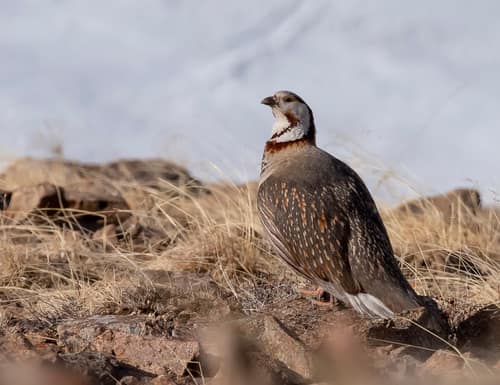
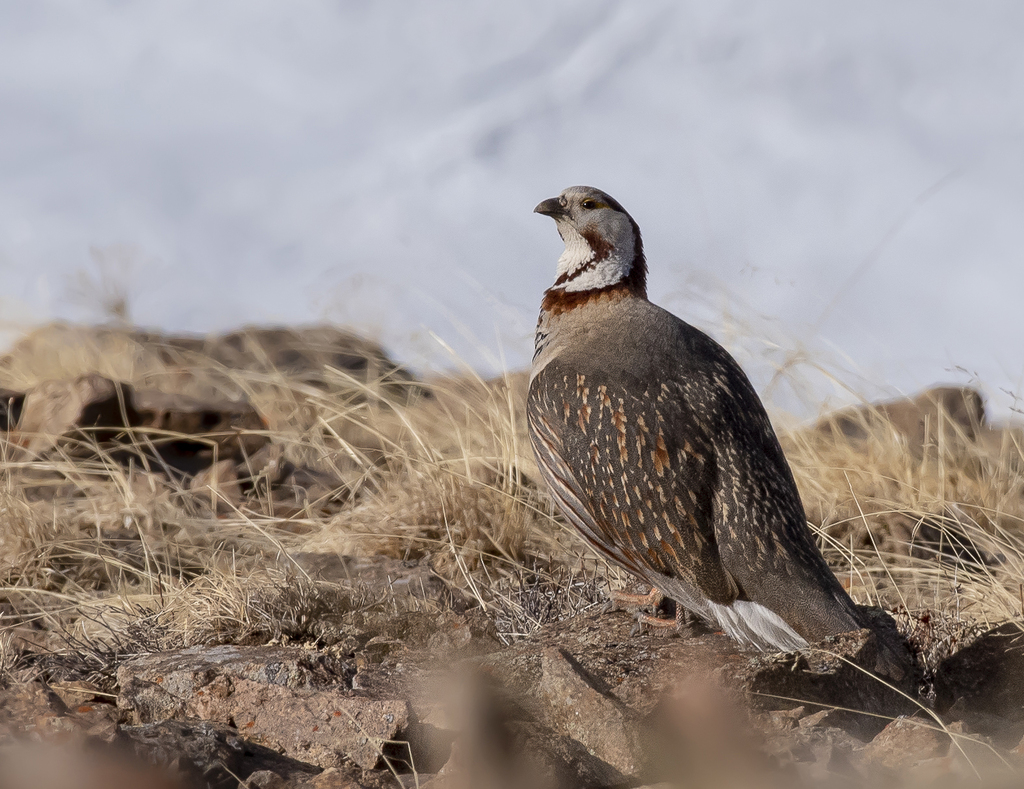 1 / 7
1 / 7—observations
—countries
—peak records
Least ConcernConservation statusIUCN Red List categoriesLCNTVUENCREWEXLeast ConcernRed List categories, explained →
Diet & prey
- Alpine grasses
- Roots and tubers
- Plant seeds
Predators
- Golden Eagle
- Snow Leopard
- Tibetan Wolf
ThreatsHabitat degradation, climate change, localized hunting
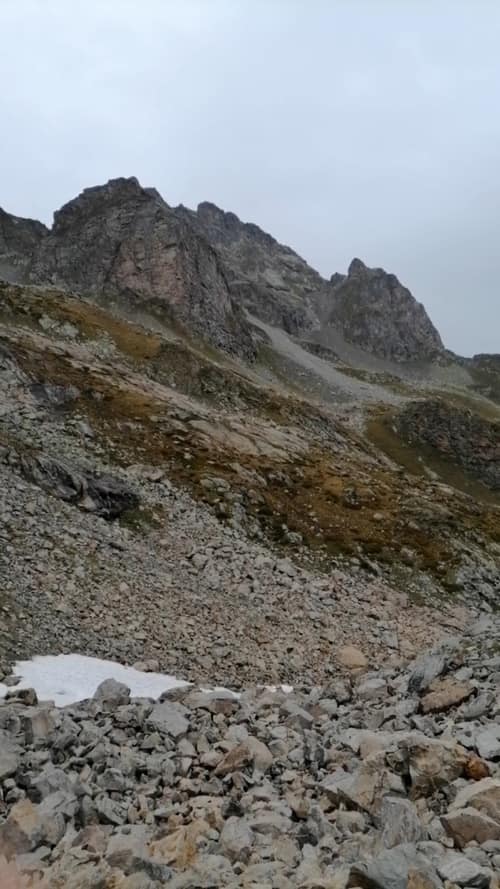
HabitatsAlpine meadows, rocky scree slopes, steep mountain cliffs
Life span6–10 years
Size / weightNot available
Classification
- FamilyPhasianidae
- SpeciesTetraogallus himalayensis
Range data is not available yet.
Interaction riskLow
- Low
- Moderate
- High
- Very high
- Why interaction risk is low
- Safe to observe at a normal distance.
Responsible observation
- Scan ridges: Look along rocky alpine crests early in the morning when birds forage.
- Listen for calls: Listen for long echoing whistles echoing across high cliff faces.
- Maintain distance: Approach from below when possible as birds flush downhill when startled.
Genus Member (c) Марат Адиев, some rights reserved (CC BY) · cc-by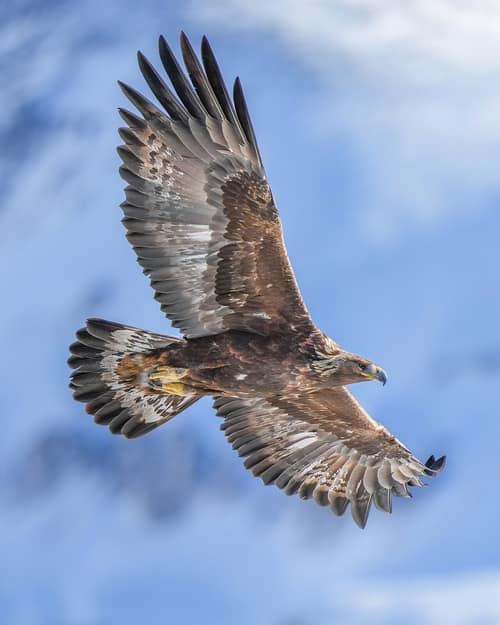
Predator Giles Laurent / CC BY-SA 4.0 · cc-by-sa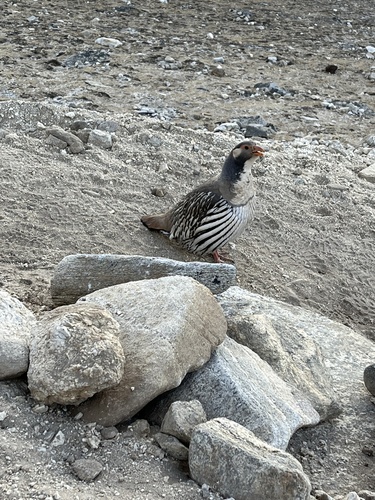
Close Relative no rights reserved · cc0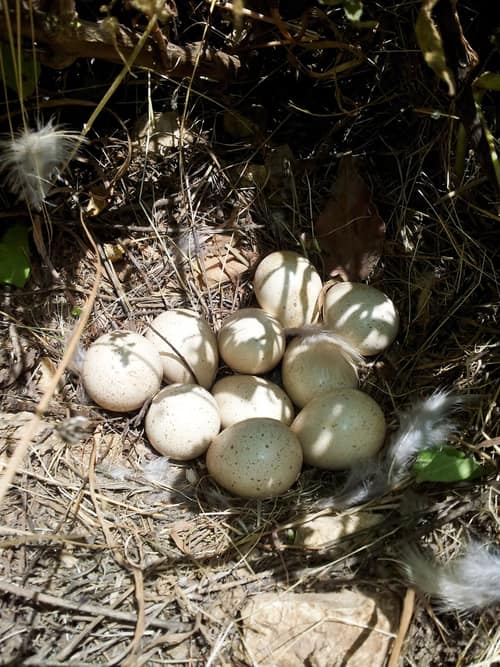
Family Member (c) Nasser Halaweh, some rights reserved (CC BY), uploaded by Nasser Halaweh · cc-by
Help improve the field guideSomething wrong?
Checking your Fauna account…Report a name, category, or profile issue for review.