
Bird · GBIF taxon 2473446
Caucasian Snowcock
Tetraogallus caucasicusAlso known as Caucasian Snow Partridge
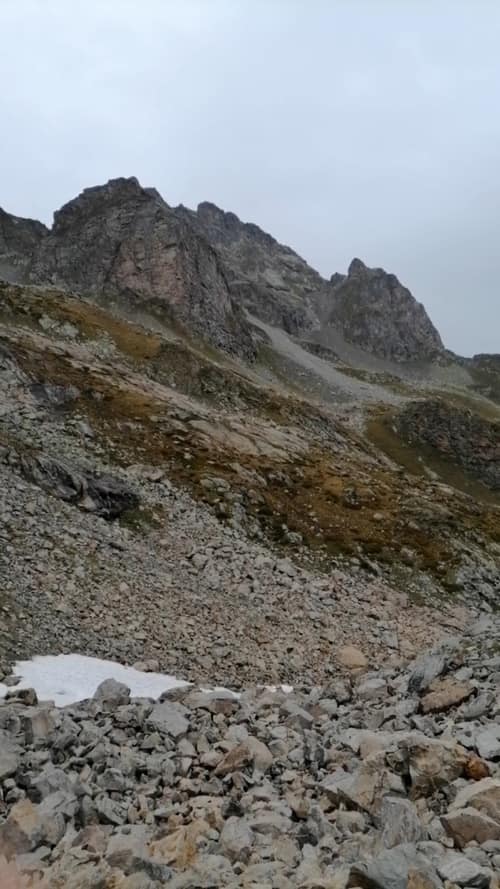
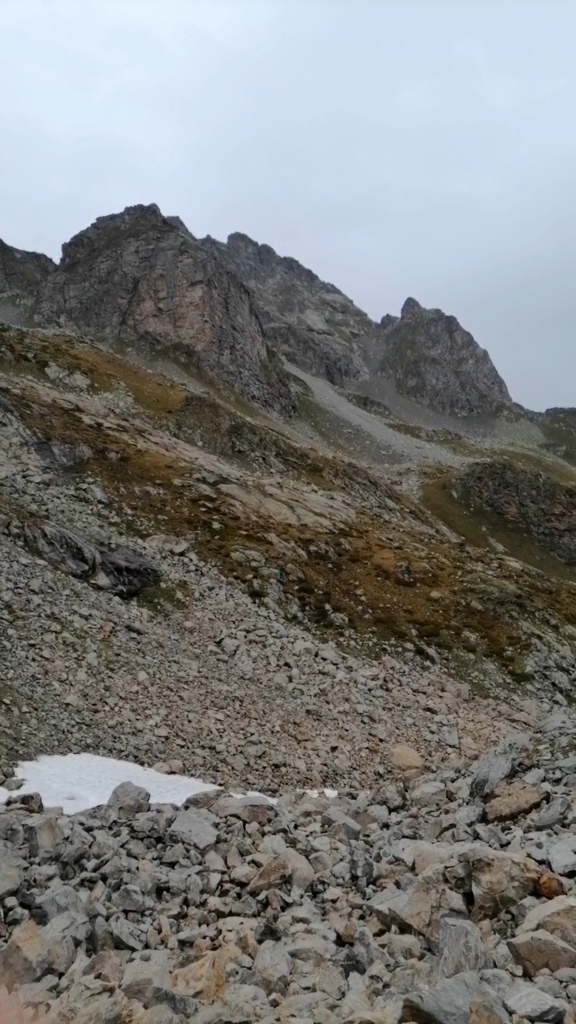
Caucasian snowcocks inhabit steep, rocky crags and alpine meadows perched high in the Greater Caucasus range. These heavy-bodied birds forage in small coveys, relying on cryptic slate-grey and chestnut plumage to blend seamlessly against scree and boulders. When alarmed, they run swiftly uphill before launching into dramatic downhill glides accompanied by loud, echoing whistles.
AlpineMountain BirdHigh Altitude
—observations
—countries
—peak records
Least ConcernConservation statusIUCN Red List categoriesLCNTVUENCREWEXLeast ConcernRed List categories, explained →
Diet & prey
- Alpine Grasses
- Plant Tubers
- Wild Seeds
Predators
- Golden Eagle
- Bearded Vulture
- Red Fox
ThreatsHabitat loss from livestock overgrazing, human disturbance, climate change
HabitatsAlpine meadows, scree slopes, rocky cliffs above treeline
Life span5–8 years
Size / weightNot available
Classification
- FamilyPhasianidae
- SpeciesTetraogallus caucasicus
Range data is not available yet.
Interaction riskLow
- Low
- Moderate
- High
- Very high
- Why interaction risk is low
- Safe to observe at a normal distance.
- What to notice
- Look for a heavy, greyish high-altitude bird with white throat patches on rocky Caucasus ridgelines.
- Support conservation
- Maintain a respectful distance with high-powered optics to avoid flushing incubating parents.
Responsible observation
- Spotting: Scan high scree slopes and ridge edges in early morning light when birds actively feed.
- Listening: Listen for distinctive curlew-like whistles echoing across deep alpine valleys.
- Distance: Observe from afar using binoculars to prevent flushing birds down dangerous cliffs.
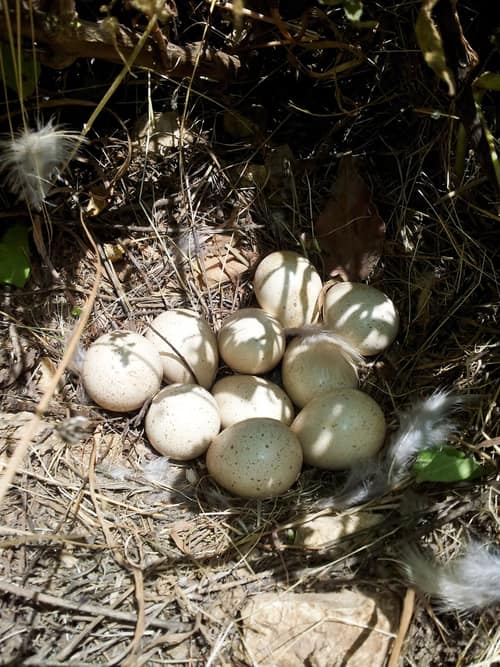
Co-occurring Species (c) Nasser Halaweh, some rights reserved (CC BY), uploaded by Nasser Halaweh · cc-by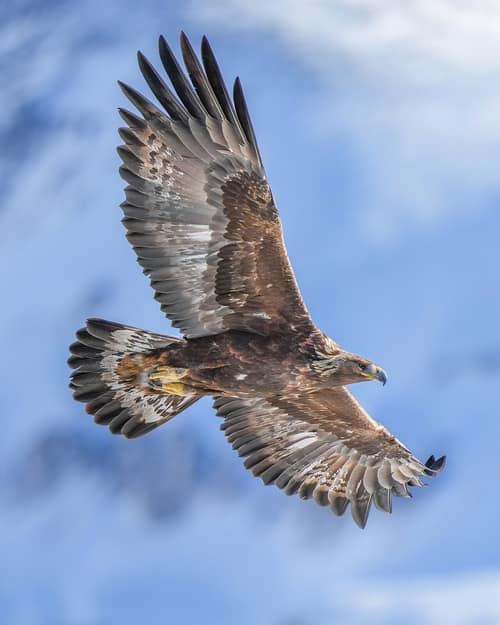
Predator Giles Laurent / CC BY-SA 4.0 · cc-by-sa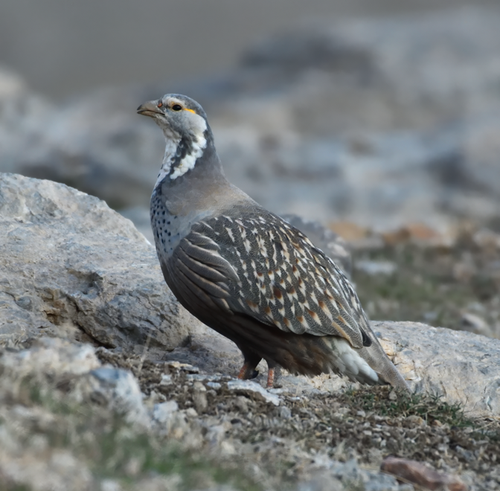
Close Relative (c) smeckert, some rights reserved (CC BY) · cc-by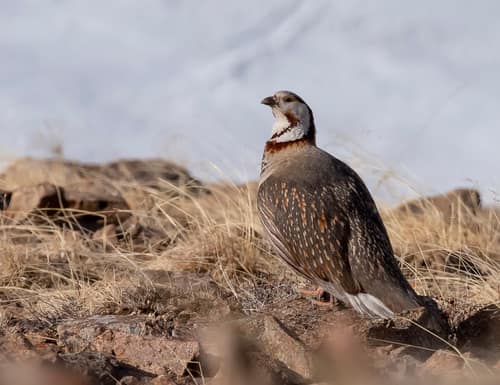
Close Relative (c) Griha Hasanov, some rights reserved (CC BY), uploaded by Griha Hasanov · cc-by
Help improve the field guideSomething wrong?
Checking your Fauna account…Report a name, category, or profile issue for review.