
Reptile · GBIF taxon 2471882
Northern Legless Lizard
Anniella pulchraAlso known as California Legless Lizard, Silvery Legless Lizard
Northern legless lizards spend almost their entire lives beneath soft, sandy soil or loose leaf litter, smoothly swimming through subterranean passages in search of small invertebrates. Unlike snakes, they possess movable eyelids and the ability to drop their tails when seized by a predator. Their smooth, polished scales range from silvery gray to metallic bronze, with a dark stripe running along each side.
BurrowingReptileSecretive
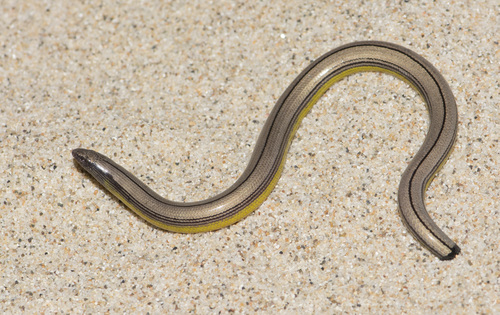
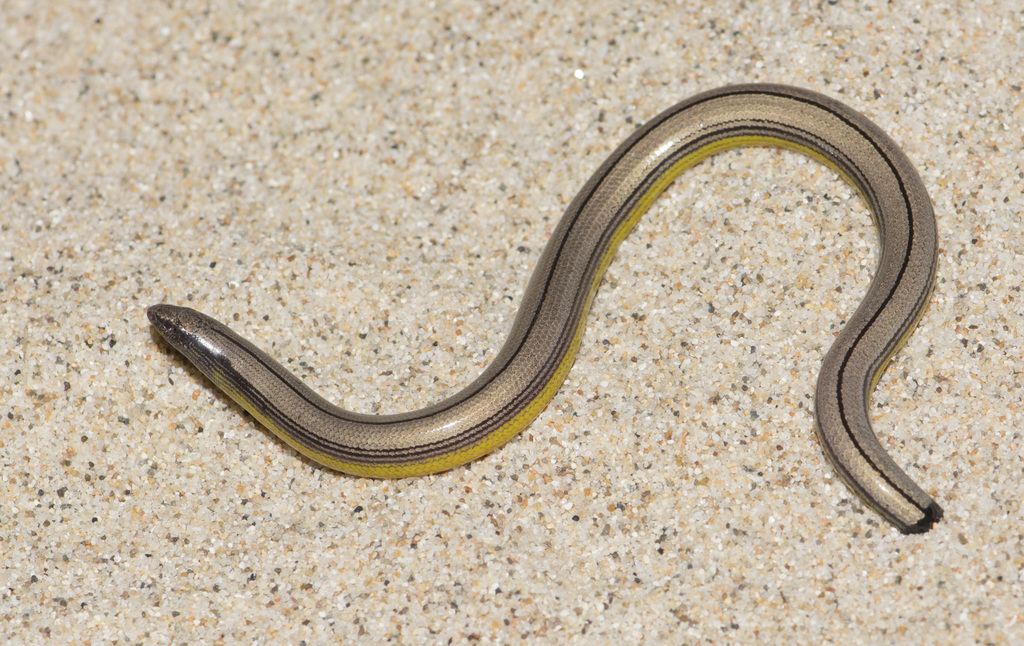
—observations
—countries
—peak records
Least ConcernConservation statusIUCN Red List categoriesLCNTVUENCREWEXLeast ConcernRed List categories, explained →
Diet & prey
- Spiders
- Beetle Larvae
- Termites
Predators
- Snakes
- Hawks
- Domestic Cats
ThreatsUrban development, coastal dune alteration, and invasive plant species
HabitatsCoastal sand dunes, chaparral, and pine-oak woodlands
Life span6–10 years
Classification
- FamilyAnguidae
- SpeciesAnniella pulchra
Range data is not available yet.
Interaction riskLow
- Low
- Moderate
- High
- Very high
- Why interaction risk is low
- Safe to observe at a normal distance.
- What to notice
- Recognizable by its shiny, silvery or brownish scale pattern, dark lateral lines, and lack of legs.
- Support conservation
- Leave surface cover untouched and refrain from disturbing sensitive dune microhabitats.
Responsible observation
- Observe Quietly: Look for subtle trail grooves in soft, damp sand beneath leaf litter or cover.
- Avoid Digging: Refrain from raking sand or leaf litter, which destroys delicate burrow tunnels.
- Minimize Handling: Handling stresses the lizard and can cause it to drop its tail defensively.
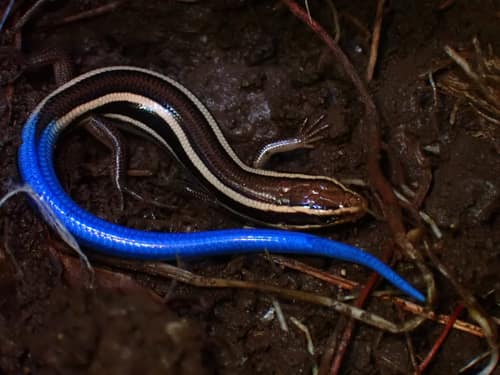
Co-occurring Lizard (c) Cricket Raspet, some rights reserved (CC BY), uploaded by Cricket Raspet · cc-by Image unavailable
Close Relative 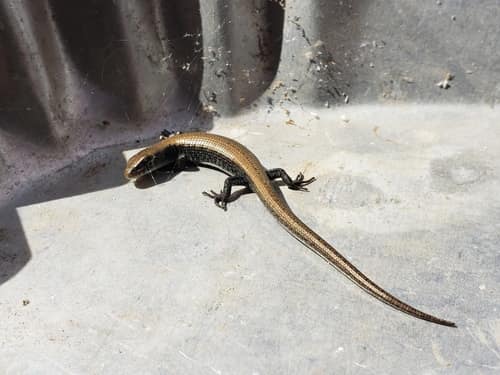
Family Relative (c) Gavin Slater, some rights reserved (CC BY) · cc-by
Help improve the field guideSomething wrong?
Checking your Fauna account…Report a name, category, or profile issue for review.