
Reptile
Rock Lizard
Darevskia saxicolaAlso known as Caucasian Rock Lizard, North Caucasian Rock Lizard
Rock lizards navigate vertical stone faces and talus slopes across the Caucasus with agile ease, flattening their bodies against sun-warmed rocks to thermoregulate. Breeding males develop vivid emerald-green flanks and perform rapid head-bobbing displays to defend sunning territories from rivals. While several closely related forms in their genus reproduce solely by parthenogenesis, this species relies on traditional sexual reproduction to sustain its montane populations.
DiurnalMontaneSun-Basking
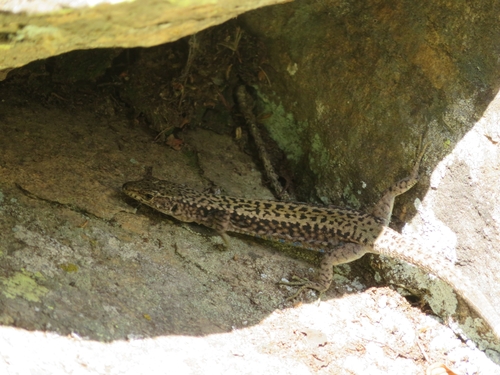
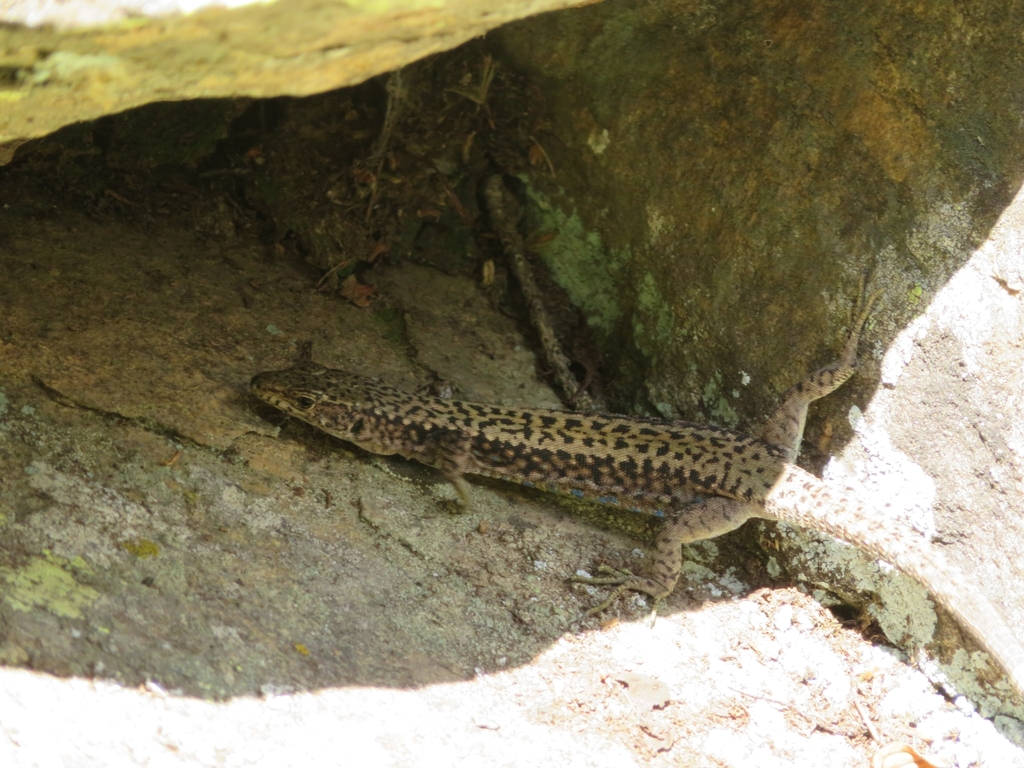
—observations
—countries
—peak records
Least ConcernConservation statusIUCN Red List categoriesLCNTVUENCREWEXLeast ConcernRed List categories, explained →
Diet & preyBeetles, Spiders, Flies
Predators
- Smooth Snake
- Common Kestrel
- Eurasian Viper
ThreatsHabitat loss from quarrying, road construction, and urban expansion
HabitatsRocky gorges, talus slopes, cliffs, and stone ruins
Life span5–10 years
Classification
- FamilyLacertidae
- SpeciesDarevskia saxicola
Range data is not available yet.
Interaction riskLow
- Low
- Moderate
- High
- Very high
- Why interaction risk is low
- Safe to observe at a normal distance.
Responsible observation
- Approach slowly: Avoid casting overhead shadows that mimic raptors and trigger immediate flight.
- Scan morning rocks: Watch sunlit crevices early in the day as individuals emerge to warm up.
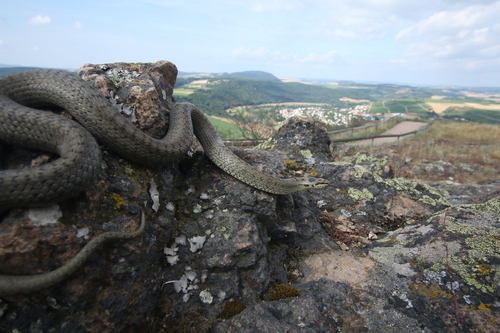
Predator (c) B. P. White, some rights reserved (CC BY-SA), uploaded by B. P. White · cc-by-sa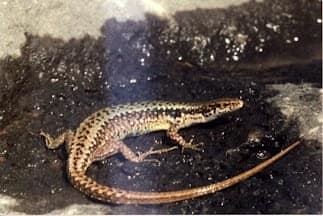
Close Relative (c) Tigran Tadevosyan, some rights reserved (CC BY), uploaded by Tigran Tadevosyan · cc-by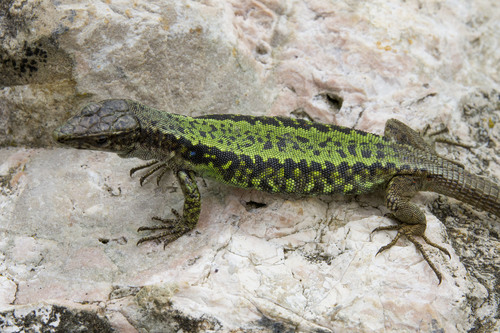
Close Relative (c) Kristof & Yulia, some rights reserved (CC BY), uploaded by Kristof & Yulia · cc-by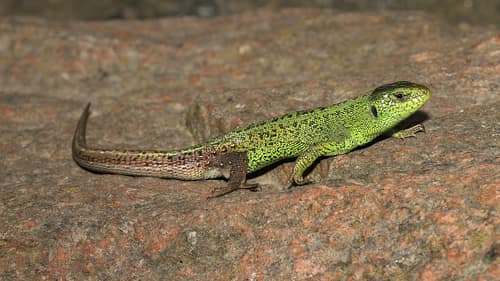
Same Family George Chernilevsky / Public domain · cc0
Help improve the field guideSomething wrong?
Checking your Fauna account…Report a name, category, or profile issue for review.