
Reptile · GBIF taxon 2468847
Armenian Lizard
Darevskia armeniacaAlso known as Armenian Rock Lizard
Armenian rock lizards reproduce entirely through parthenogenesis, with all-female populations laying unfertilized eggs that hatch into genetically identical clones. Inhabiting rocky outcrops, ancient stone walls, and mountain gorges across the Armenian Highland, these agile reptiles spend warm mornings basking on sunlit stone before hunting tiny invertebrates. When threatened, they vanish rapidly into narrow rock crevices, relying on their flattened bodies to wedge tightly out of reach.
ParthenogeneticReptileMountain Dweller
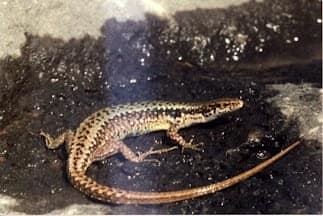
 1 / 3
1 / 3—observations
—countries
—peak records
Least ConcernConservation statusIUCN Red List categoriesLCNTVUENCREWEXLeast ConcernRed List categories, explained →
Diet & prey
- Ants
- Beetles
- Spiders
Predators
- Kestrels
- Snakes
- Small carnivores
ThreatsHabitat fragmentation, road construction, and urban development
HabitatsRocky outcrops, mountain slopes, stone walls, and river gorges
Life span5–8 years
Classification
- FamilyLacertidae
- SpeciesDarevskia armeniaca
Range data is not available yet.
Interaction riskLow
- Low
- Moderate
- High
- Very high
- Why interaction risk is low
- Harmless to humans; safe to observe from a short distance.
Responsible observation
- Basking spots: Look for individuals on sunny boulders and old masonry during mid-morning hours.
- Approach quietly: Move slowly without casting a shadow over the lizard to avoid triggering a flee response.
- Observe crevices: Watch rock fractures in early summer where females deposit small clutches of eggs.
 Image unavailable
Parental Ancestor Parental Ancestor 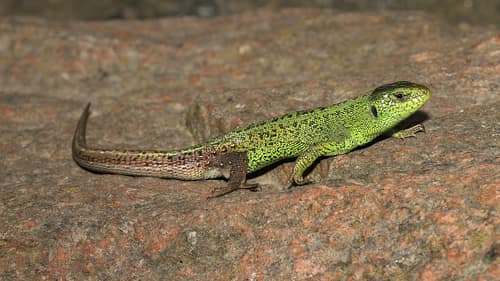
Frequent Companion George Chernilevsky / Public domain · cc0
Help improve the field guideSomething wrong?
Checking your Fauna account…Report a name, category, or profile issue for review.