
Reptile
Meadow Lizard
Darevskia praticolaAlso known as Caucasian Meadow Lizard
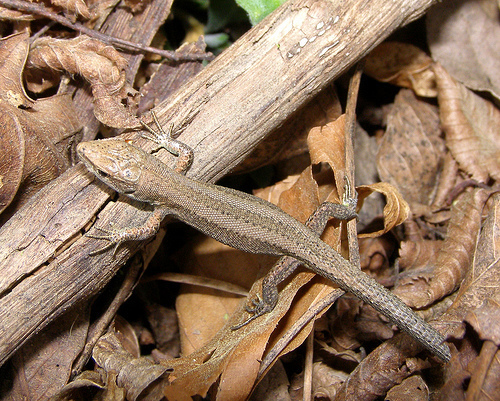
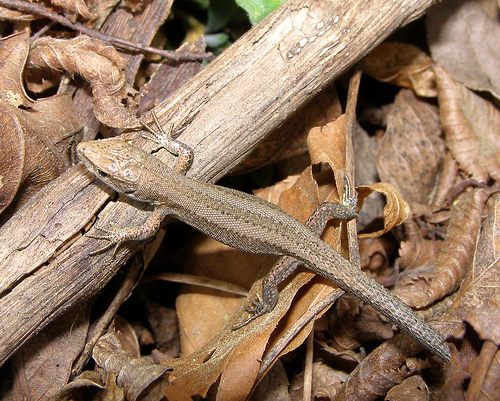
Unlike many rock-dwelling relatives that favor sheer cliffs, meadow lizards inhabit leaf litter, damp glades, and humid meadow edges across southeastern Europe and the Caucasus. They are active ground foragers during warm daylight hours, darting beneath fallen logs and dense grass tussocks when startled. Females deposit small clutches of eggs in loose soil or decaying wood, exhibiting standard sexual reproduction in a genus famous for all-female species.
Ground DwellerInsectivorousDiurnal
—observations
—countries
—peak records
Near ThreatenedConservation statusIUCN Red List categoriesLCNTVUENCREWEXNear ThreatenedRed List categories, explained →
Diet & preyGround Beetles, Spiders, Ants
Predators
- Smooth Snake
- Red-backed Shrike
- European Hedgehog
ThreatsDeforestation, agricultural intensification, and habitat fragmentation
HabitatsHumid deciduous forests, forest margins, brushy glades, and damp meadows
Life span5–8 years
Classification
- FamilyLacertidae
- SpeciesDarevskia praticola
Range data is not available yet.
Interaction riskLow
- Low
- Moderate
- High
- Very high
- Why interaction risk is low
- Harmless to humans; safe to observe from a close distance.
- What to notice
- Look for a small, slender brown lizard with darker flank bands moving through forest floor leaf litter.
- Support conservation
- Observe from a few paces without trampling dense ground vegetation or disturbing woody debris.
Responsible observation
- Quiet Approach: Walk gently along forest margins to spot them basking on fallen leaves before they flee.
- Preserve Microhabitats: Avoid rolling over logs or stones where they seek shelter and deposit eggs.
- Best Timing: Search during warm, mild mornings when they bask openly before midday heat.
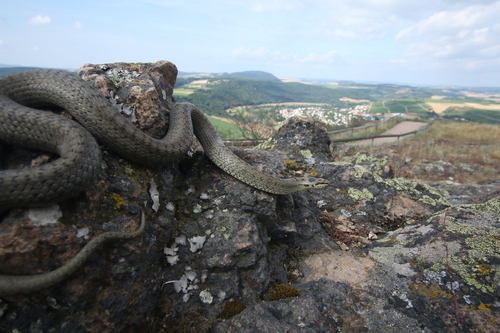
Predator (c) B. P. White, some rights reserved (CC BY-SA), uploaded by B. P. White · cc-by-sa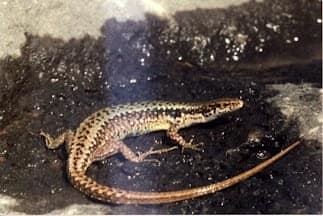
Same Genus (c) Tigran Tadevosyan, some rights reserved (CC BY), uploaded by Tigran Tadevosyan · cc-by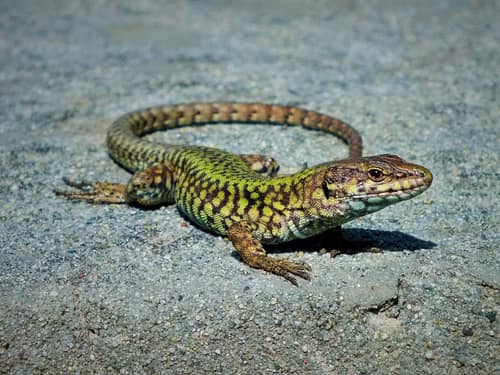
Same Family Mariomassone / CC BY-SA 4.0 · cc-by-sa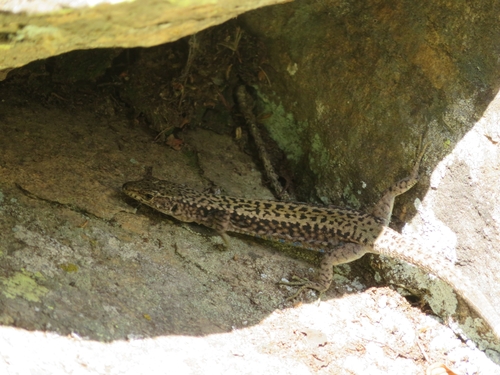
Close Relative (c) Марина, some rights reserved (CC BY), uploaded by Марина · cc-by
Help improve the field guideSomething wrong?
Checking your Fauna account…Report a name, category, or profile issue for review.