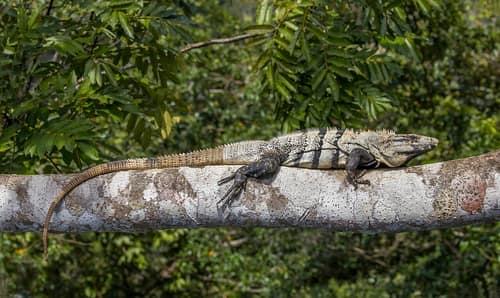
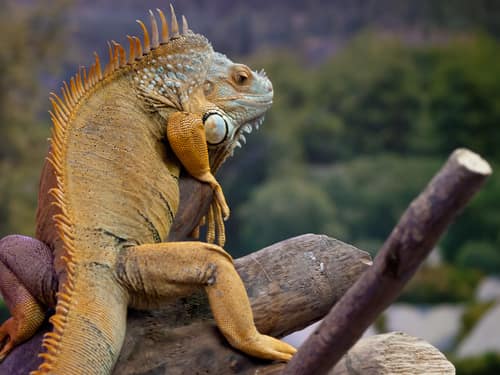
Also known as Mexican Spiny-tailed Iguana, Mexican Spinytail Iguana
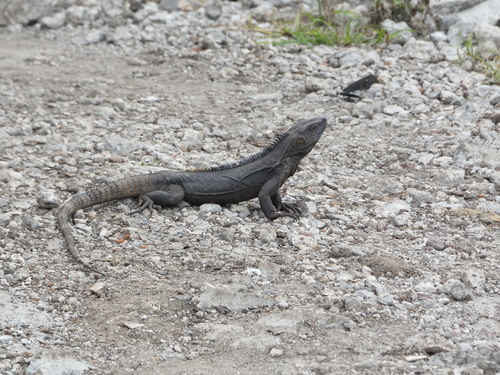
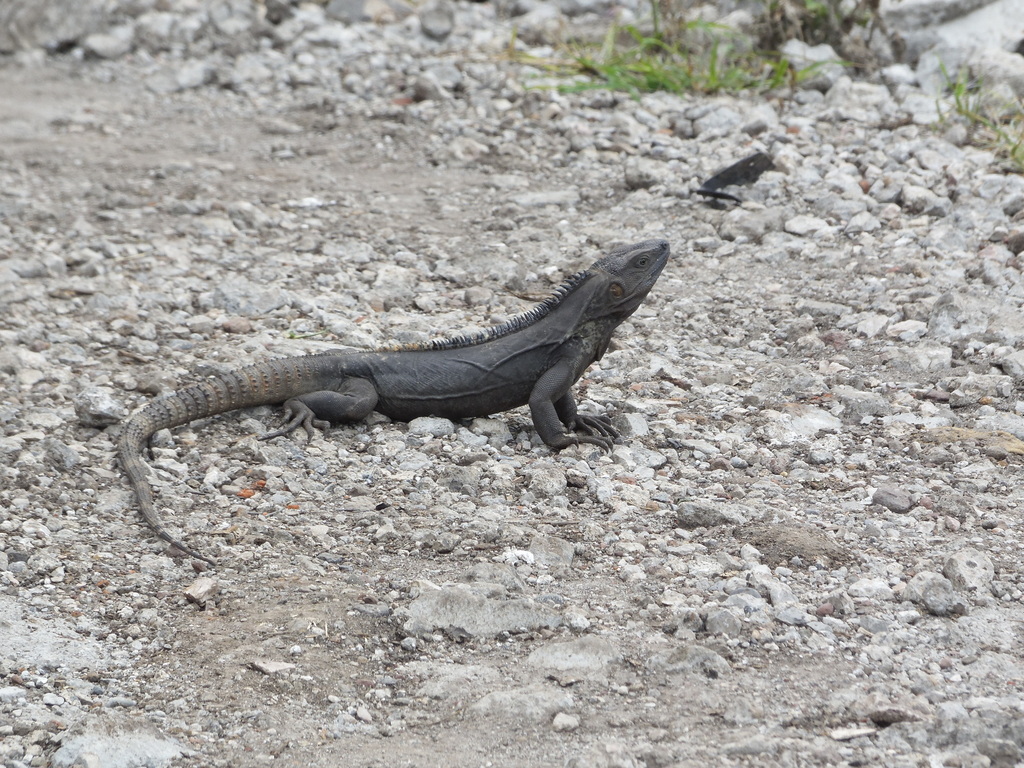
Western spiny-tailed iguanas are agile, sun-loving lizards native to the dry forests and rocky coasts of western Mexico, where they bask on stone walls, boulders, and tree limbs before retreating into deep crevices. Hatchlings emerge bright green and hunt insects, gradually darkening to slate grey or black with pale crossbands as adults shift toward a diet of leaves, blossoms, and fruit. When threatened, they wedge themselves into rock cracks and lash their heavily armored, spine-ringed tails to deter predators.
Diet & preyLeaves and blossoms, Wild fruits, Insects
Predators
Hawks and falcons
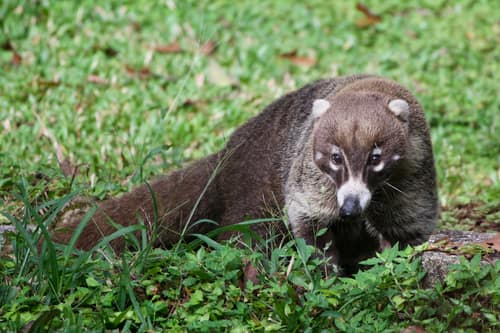
White-nosed Coati
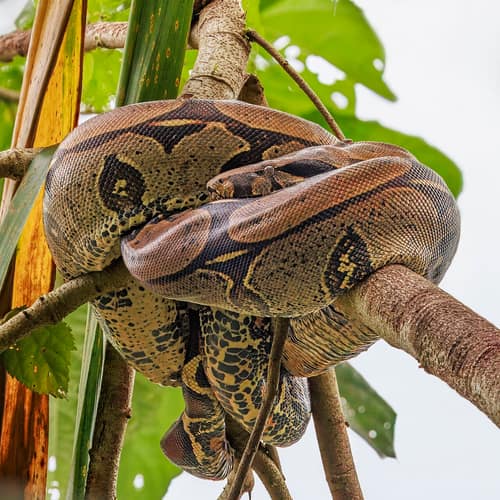
Boa Constrictor
ThreatsHabitat loss, hunting for meat, and collection for the pet trade
HabitatsTropical dry forests, rocky outcrops, coastal scrub, stone walls, and pastures
Life span10–15 years in the wild
Classification
FamilyIguanidae
SpeciesCtenosaura pectinata
Range & activity
Range data is not available yet.
Safe observation
Interaction riskLow
Low
Moderate
High
Very high
Why interaction risk is low
Can inflict painful bites, deep scratches, and spiny tail whips if cornered; observe from a few meters away.
Why it is dangerous
Powerful jaw muscles and sharp, serrated teeth can deliver lacerating bites, while curved claws and whorls of sharp tail spines cause deep scratches when the lizard feels threatened.
How to recognize a risky encounter
Look for a stout, dark grey to brownish-black body with pale bands, a prominent dorsal crest of spines, and rings of enlarged, pointed scales along the tail.
What to do
Never corner, grab, or attempt to restrain a wild individual, and keep pets leashed around rocky basking spots; back away slowly if it raises its crest or lashes its tail.
Responsible observation
Basking Spots: Scan sunny rock piles, stone walls, and tree trunks during mid-morning.
Safe Distance: Stay several meters back so the lizard does not bolt into crevices or whip its tail.
Juvenile ID: Watch for bright green young foraging for insects low in the brush.