
Reptile
Steppe Ratsnake
Elaphe dioneAlso known as Dione's Ratsnake, Steppes Ratsnake, Dione Rat Snake
Steppe ratsnakes thrive across vast temperate grasslands, rocky hillsides, and river valleys spanning from Eastern Europe to the Pacific coast. Adept climbers and active foragers, they hunt by scent and sight before dispatching small mammals and nesting birds with swift constriction. When cornered, individuals rapidly vibrate their tail tips against dry ground to mimic a rattle while hissing loudly.
ReptileConstrictorDiurnal
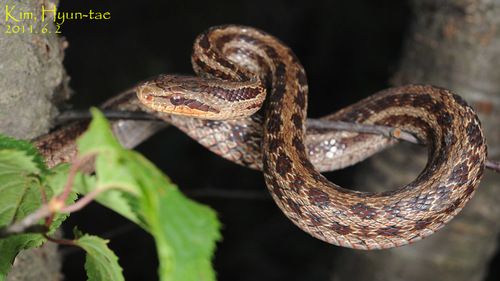
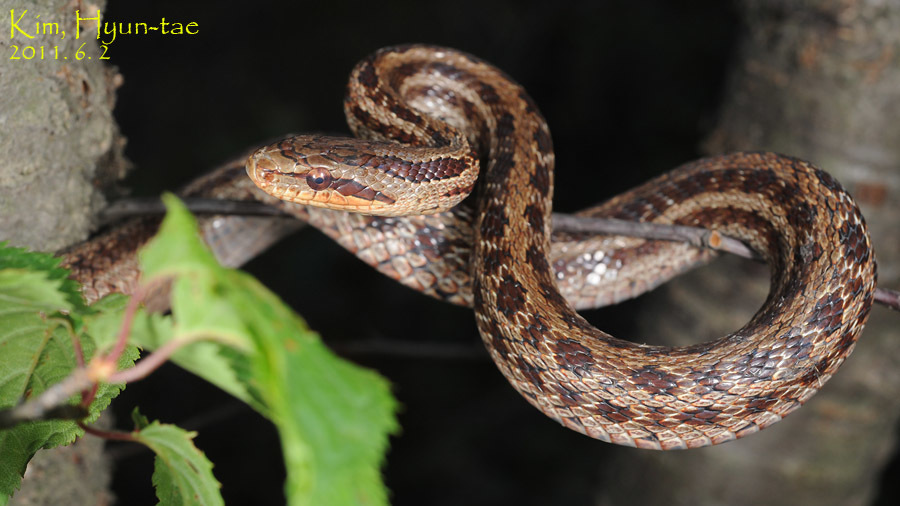
—observations
—countries
—peak records
Least ConcernConservation statusIUCN Red List categoriesLCNTVUENCREWEXLeast ConcernRed List categories, explained →
Diet & preyVoles, Lizards, Bird eggs
Predators
- Birds of prey
- Foxes
- Badgers
ThreatsAgricultural conversion, road mortality, and persecution
HabitatsSteppe grasslands, rocky hillsides, scrubland, and forest margins
Life span15–20 years
Classification
- FamilyColubridae
- SpeciesElaphe dione
Range data is not available yet.
Interaction riskLow
- Low
- Moderate
- High
- Very high
- Why interaction risk is low
- Non-venomous, but will deliver a defensive nip if cornered; observe quietly from a short distance.
- Why it is dangerous
- Lacks venom entirely, but possess sharp backward-curving teeth that can break human skin and cause minor bleeding if grabbed.
- How to recognize a risky encounter
- Recognizable by a greyish-brown ground color, paired darker dorsal blotches, and a distinctive dark band across the crown.
- What to do
- Give the snake plenty of room to retreat and avoid reaching under rocks or brush where it may be resting.
Responsible observation
- Basking Observation: Look along sunny rock piles and stone walls on cool mornings when snakes emerge to absorb heat.
- Respectful Distance: Step back if the snake coils and vibrates its tail tip, which signals rising agitation.

Neighbor (c) carnifex, some rights reserved (CC BY), uploaded by carnifex · cc-by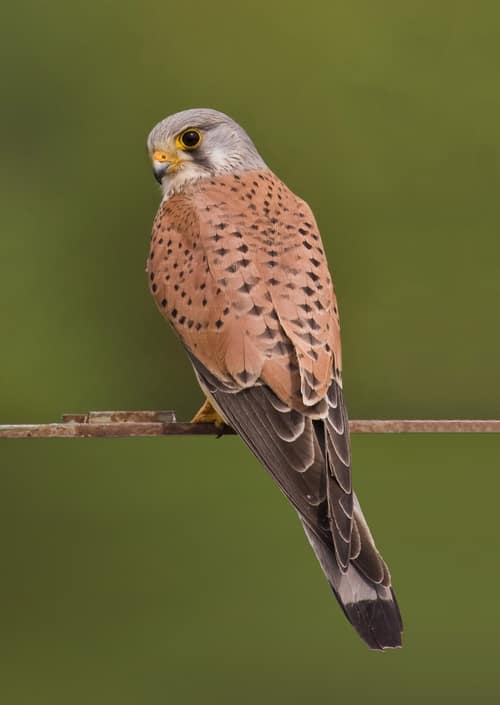
Predator Andreas Trepte / CC BY-SA 2.5 · cc-by-sa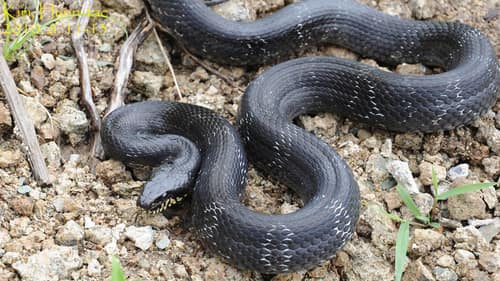
Close Relative (c) Kim, Hyun-tae, some rights reserved (CC BY), uploaded by Kim, Hyun-tae · cc-by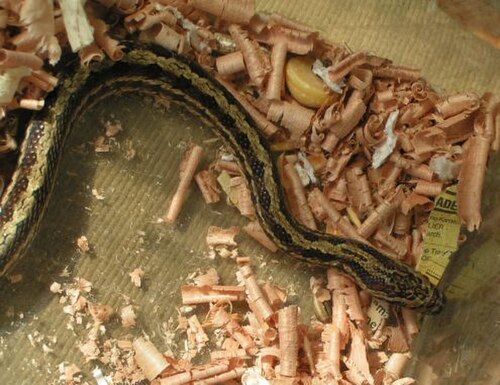
Close Relative J. Polák / CC0 · cc0
Help improve the field guideSomething wrong?
Checking your Fauna account…Report a name, category, or profile issue for review.