
Reptile · GBIF taxon 2458456
Twin-spotted Ratsnake
Elaphe bimaculataAlso known as Chinese Leopard Snake
Twin-spotted ratsnakes are slender, terrestrial colubrids recognized for their paired dorsal markings and preference for temperate, humid microclimates across eastern and central China. Highly secretive by nature, they spend daylight hours concealed beneath fallen logs, leaf litter, or stone walls near farm margins and valley woodlands. When temperatures cool in autumn, individuals seek out deep subterranean fissures or abandoned rodent burrows to enter a brumation period lasting several months.
ReptileSecretiveCarnivore
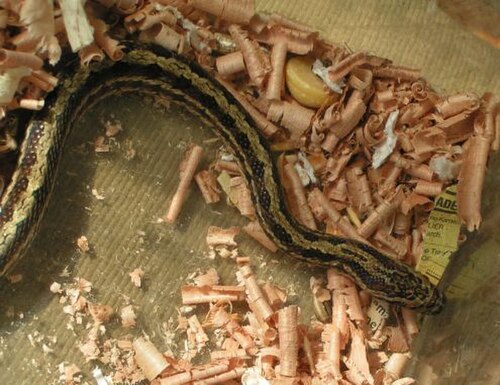
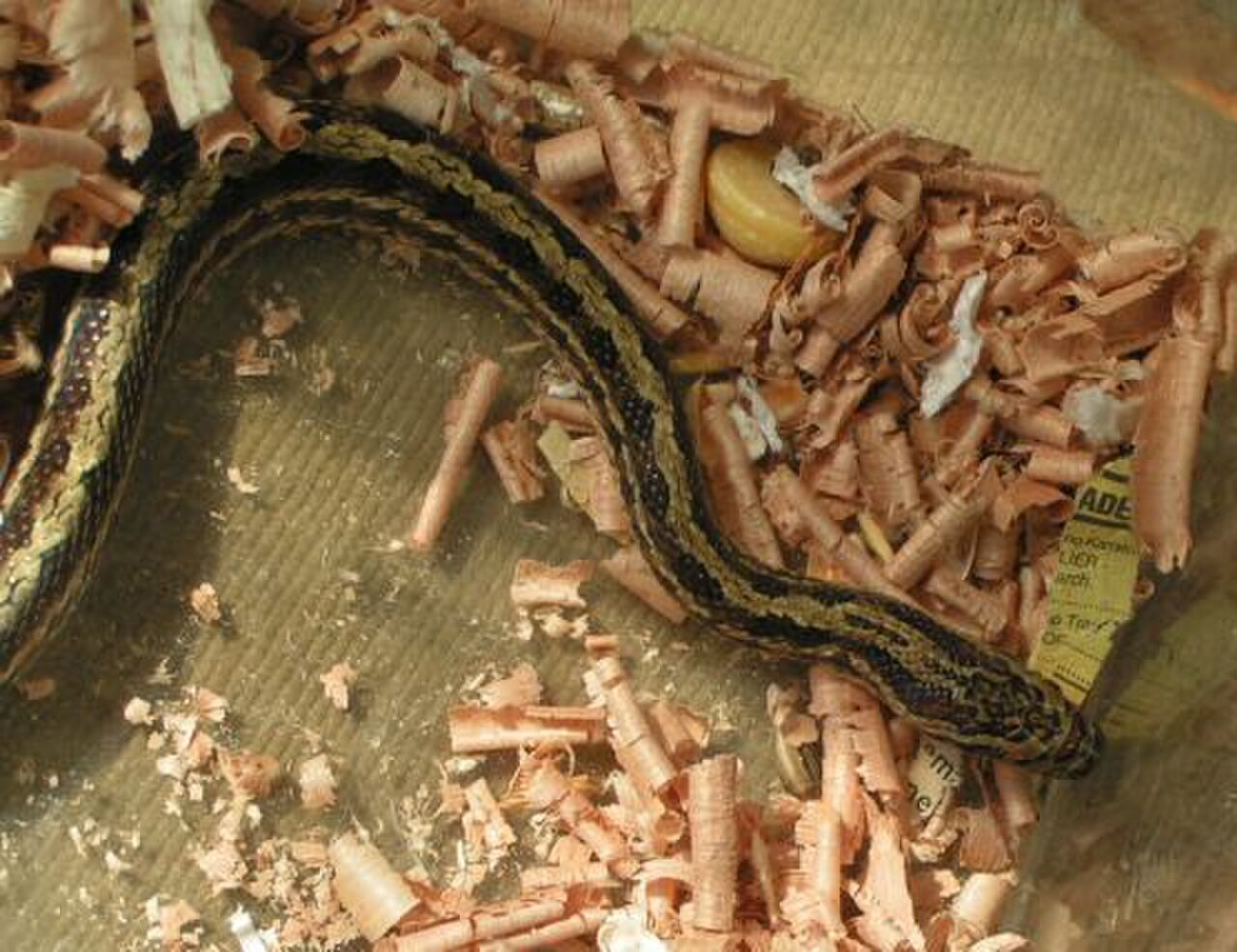
Licensed referenceJ. Polák / CC0 · cc0
—observations
—countries
—peak records
Near ThreatenedConservation statusIUCN Red List categoriesLCNTVUENCREWEXNear ThreatenedRed List categories, explained →
Diet & prey
- Field mice
- Skinks
- Bird eggs
Predators
- Birds of prey
- Larger snakes
- Small carnivores
ThreatsHabitat loss from intensive agriculture, pollution, and collection for the pet trade
HabitatsForest margins, shrublands, agricultural edges, and humid stream valleys
Life span10–15 years
Size / weightNot available
Classification
- FamilyColubridae
- SpeciesElaphe bimaculata
Range data is not available yet.
Interaction riskLow
- Low
- Moderate
- High
- Very high
- Why interaction risk is low
- Non-venomous and docile, but may strike defensively if seized; observe quietly without handling.
- Why it is dangerous
- Lacks venom but possesses rows of recurved teeth capable of lacerating skin during a defensive strike.
- How to recognize a risky encounter
- Look for a greyish tan body with twin rows of dark brown saddles or broken dorsal stripes.
- What to do
- Do not attempt to restrain or pick up the snake; step back and let it move off into cover.
- What to notice
- Recognized by dual reddish brown blotches on the back and a distinctive dark mask across the eyes.
- Support conservation
- Never disclose precise location coordinates on public platforms to discourage illegal poaching.
Responsible observation
- Observation distance: Keep at least one meter of space to allow the snake to retreat undisturbed.
- Microhabitat care: Avoid overturning rocks or rotting wood, which destroys essential moisture shelters.
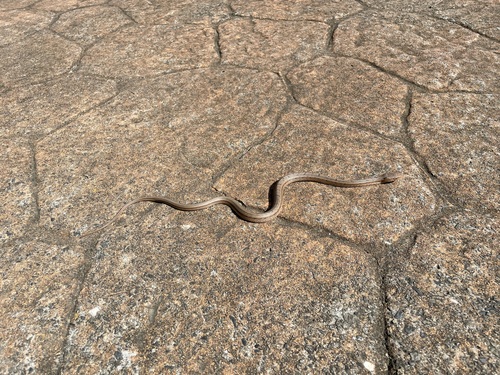
Same Genus (c) 高山田鼠, some rights reserved (CC BY) · cc-by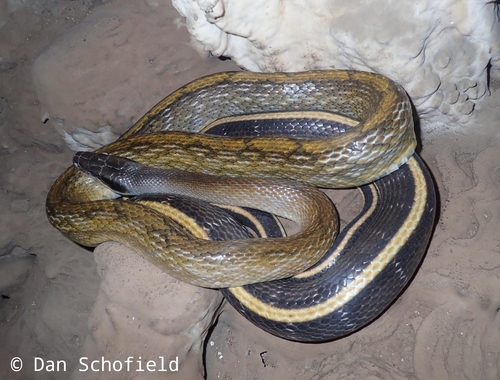
Same Genus (c) Dan Schofield, some rights reserved (CC BY), uploaded by Dan Schofield · cc-by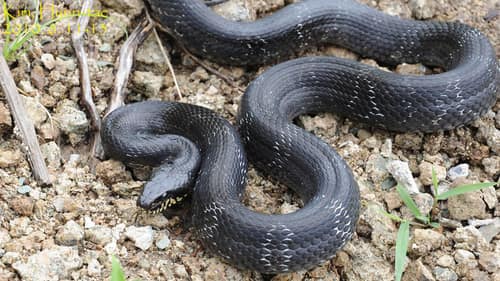
Same Genus (c) Kim, Hyun-tae, some rights reserved (CC BY), uploaded by Kim, Hyun-tae · cc-by
Help improve the field guideSomething wrong?
Checking your Fauna account…Report a name, category, or profile issue for review.