
Reptile · GBIF taxon 2451347
Fence Lizard
Sceloporus undulatusAlso known as Eastern Fence Lizard, Fence Swift, Pine Lizard, Northern Fence Lizard
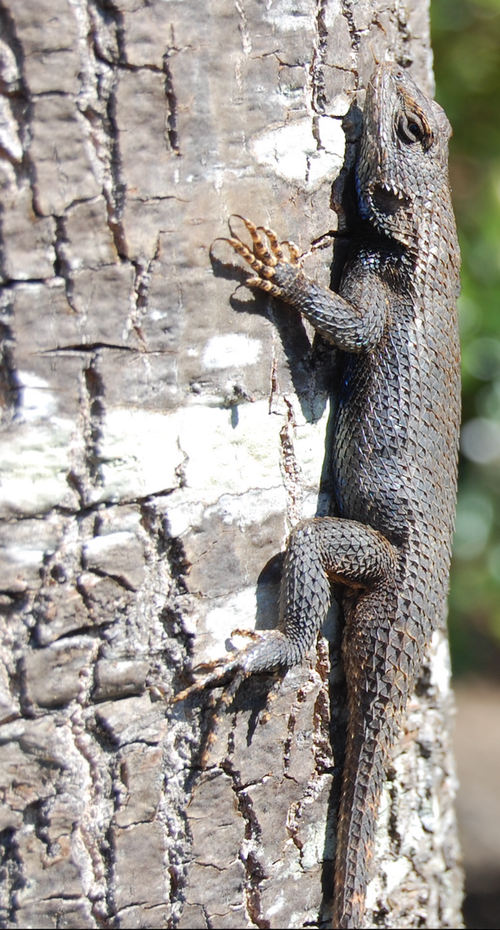
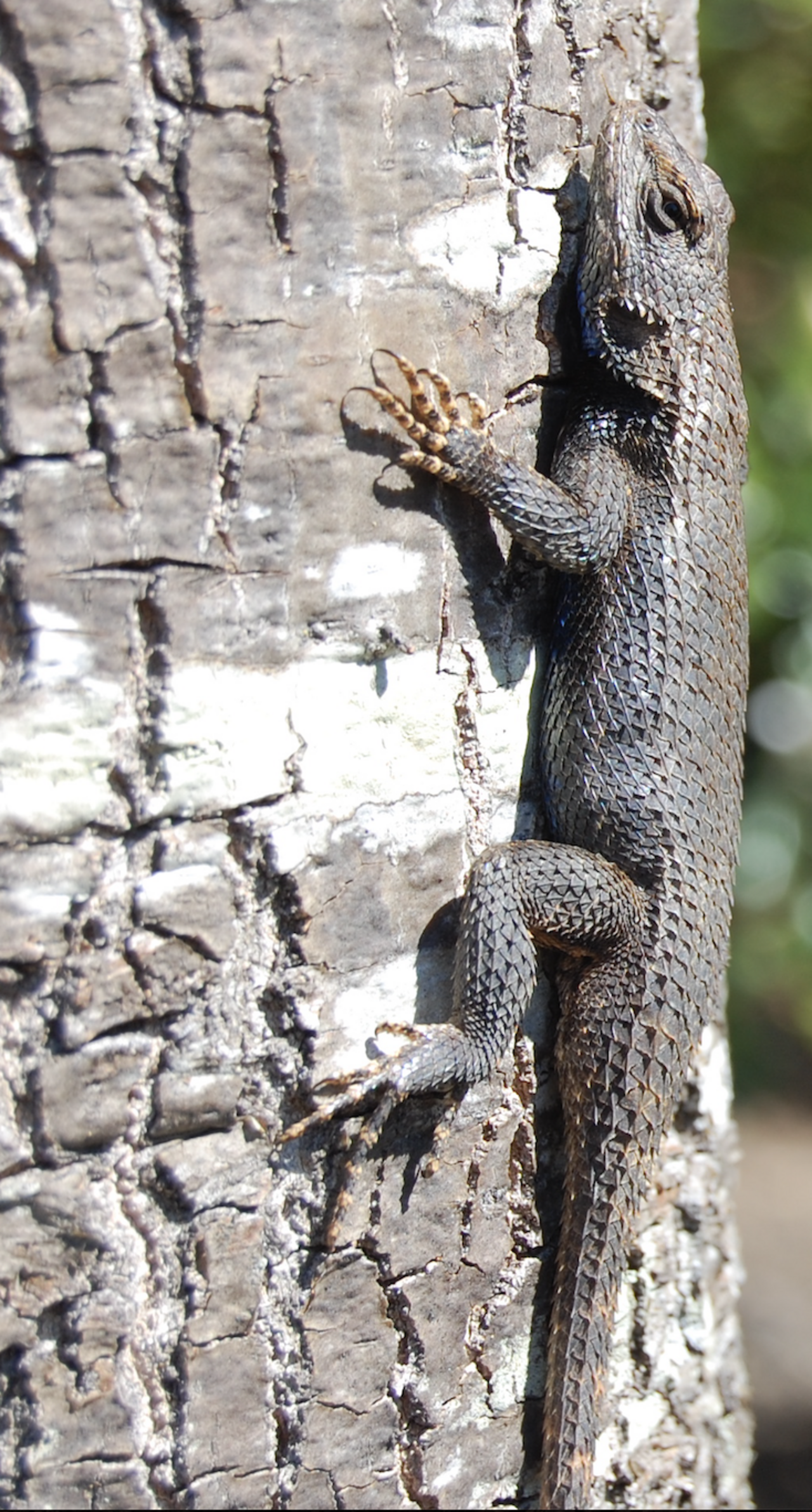
Eastern fence lizards spend warm mornings basking on sunny logs, stone walls, and tree trunks to regulate their body temperature. Males boast striking iridescent blue patches on their throats and bellies, which they flash during energetic push-up displays to ward off rivals and attract mates. When startled, they sprint with surprising agility around to the far side of tree trunks to stay safely out of sight.
DiurnalReptileInsectivore
—observations
—countries
—peak records
Least ConcernConservation statusIUCN Red List categoriesLCNTVUENCREWEXLeast ConcernRed List categories, explained →
Diet & prey
- Ants
- Beetles
- Spiders
Predators
- Hawks
- Snakes
- Domestic Cats
ThreatsHabitat loss, invasive fire ants, domestic cats
HabitatsOpen woodlands, forest edges, pine barrens, rock outcrops
Life span3–5 years
Size / weightNot available
Classification
- FamilyPhrynosomatidae
- GenusSceloporus
- SpeciesSceloporus undulatus
Range data is not available yet.
Interaction riskLow
- Low
- Moderate
- High
- Very high
- Why interaction risk is low
- Safe to observe at a normal distance.
Responsible observation
- Spotting Basking Spots: Look for them on sunny fence posts, fallen logs, or stone walls during warm mornings.
- Approaching Slowly: Move with smooth, deliberate steps to avoid triggering their rapid retreat up tree trunks.
- Observing Displays: Watch males perform series of push-ups to display their vibrant blue throat and belly patches.
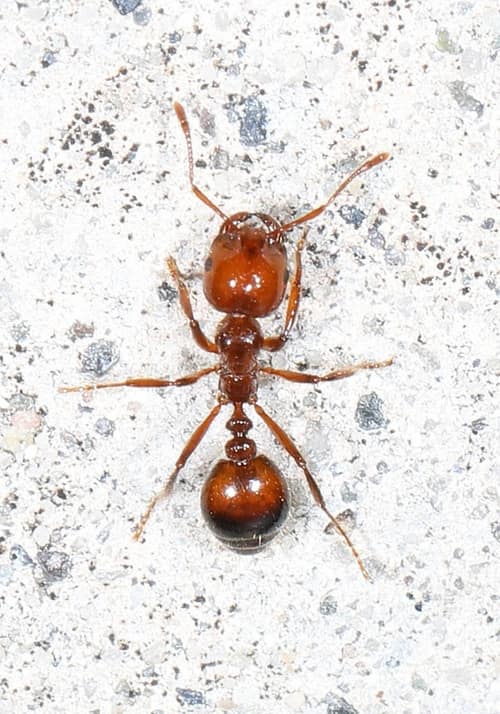
Competitor (c) Judy Gallagher, some rights reserved (CC BY) · cc-by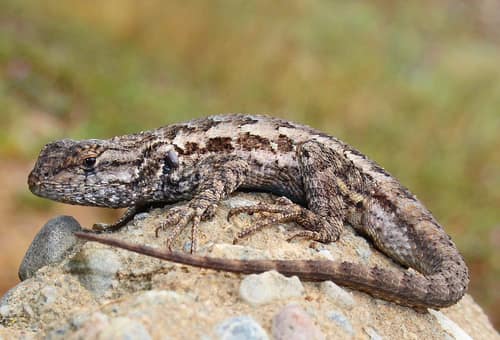
Close Relative Connor Long / CC BY-SA 4.0 · cc-by-sa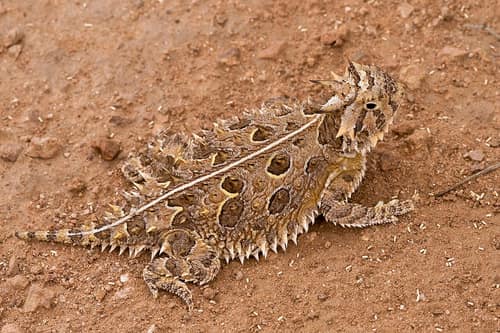
Family Member Patrick Alexander from Las Cruces, NM / CC0 · cc0
Help improve the field guideSomething wrong?
Checking your Fauna account…Report a name, category, or profile issue for review.