
Reptile
Common Chameleon
Chamaeleo chamaeleonAlso known as Mediterranean Chameleon, European Chameleon
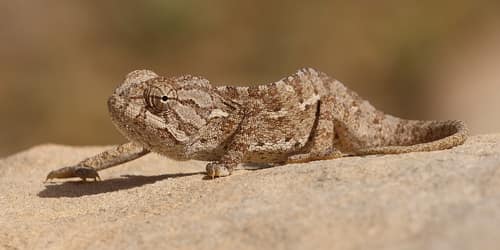
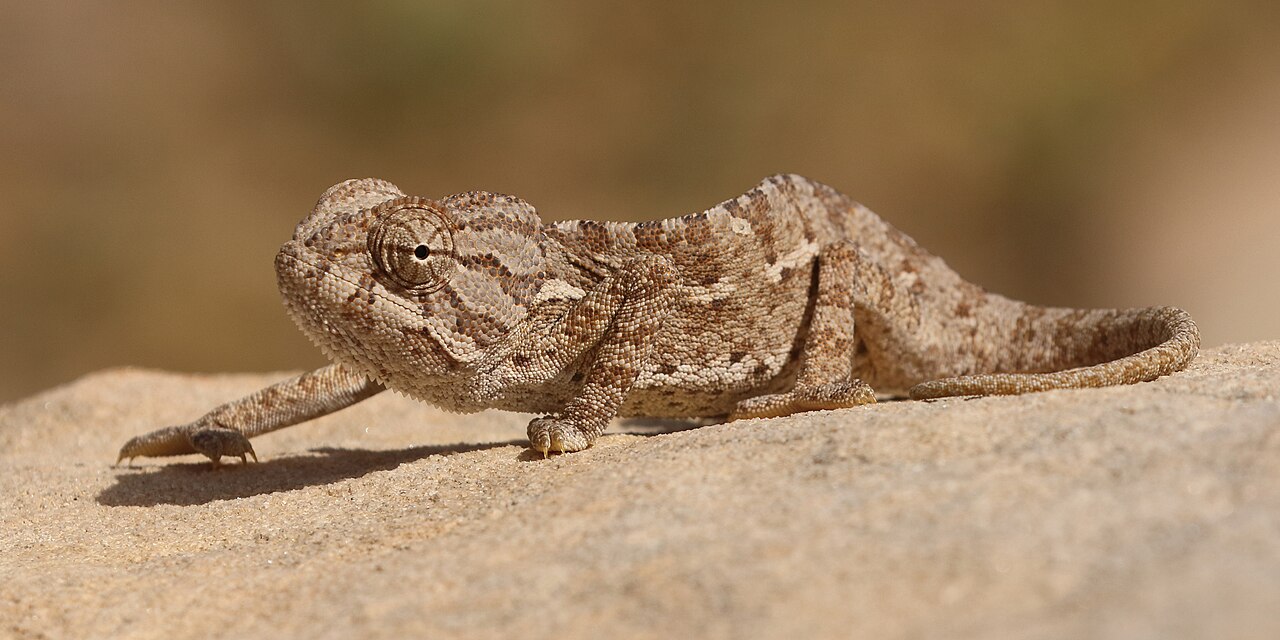
Common chameleons are slow-moving, arboreal reptiles famous for their independently mobile eyes, zygodactylous feet, and prehensile tails that act as a fifth limb. They change color to regulate body temperature and communicate social signals rather than purely for camouflage. These solitary hunters spend their days perched in Mediterranean scrub, waiting to ambush passing insects with their long, sticky tongues.
ArborealCamouflageSolitary
—observations
—countries
—peak records
Least ConcernConservation statusIUCN Red List categoriesLCNTVUENCREWEXLeast ConcernRed List categories, explained →
Diet & preyFlies, Grasshoppers, Beetles
Predators
- Birds of prey
- Snakes
- Domestic cats
ThreatsHabitat loss, road mortality, and illegal collection for the pet trade
HabitatsMediterranean scrublands, pine forests, olive groves, and coastal dunes
Life span3 to 5 years
Classification
- FamilyChamaeleonidae
- SpeciesChamaeleo chamaeleon
Native
Interaction riskLow
- Low
- Moderate
- High
- Very high
- Why interaction risk is low
- May bite if cornered or handled; observe quietly from a respectful distance.
- What to notice
- Look for a green or brown lizard with a small casque on its head, moving slowly through Mediterranean shrubs.
- Support conservation
- Never capture or disturb wild individuals, and report any illegal poaching to local authorities.
Responsible observation
- Scan carefully: Look for slow, rocking movements in low bushes that mimic wind-blown leaves.
- Keep your distance: Chameleons stress easily; avoid handling or blocking their path.
- Watch the eyes: Observe how their eyes rotate independently to scan for predators and prey.
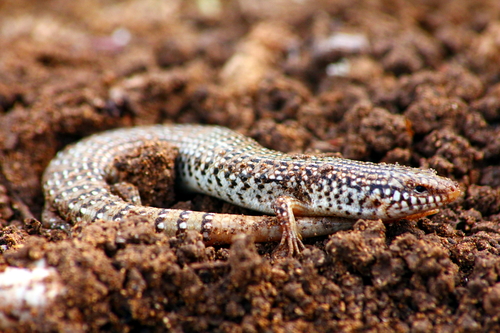
Frequent Companion (c) Lennart Hudel, some rights reserved (CC BY), uploaded by Lennart Hudel · cc-by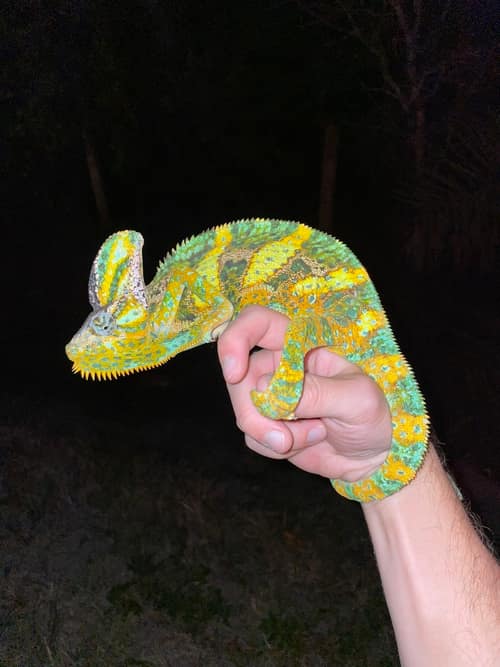
Close Relative (c) Daily Anole, some rights reserved (CC BY) · cc-by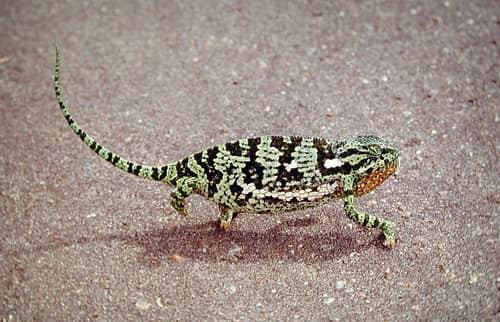
Close Relative (c) Christoph Moning, some rights reserved (CC BY), uploaded by Christoph Moning · cc-by
Help improve the field guideSomething wrong?
Checking your Fauna account…Report a name, category, or profile issue for review.