
Reptile
Levantine Viper
Macrovipera lebetinusAlso known as Blunt-nosed Viper, Lebetine Viper, Levant Viper, Guran
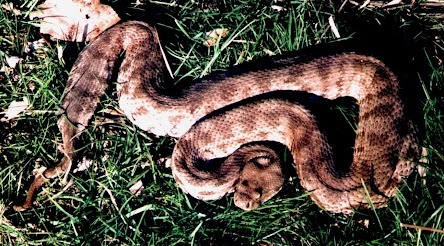
Levantine vipers are heavy-bodied ambush predators that blend seamlessly into arid, rocky landscapes across the Mediterranean, Middle East, and Central Asia. They spend scorching summer days coiled inside rodent burrows or deep limestone crevices, emerging at dusk to hunt near seasonal streams and irrigated fields. When threatened, they hiss loudly, puff up their bodies, and strike with astonishing speed despite their sluggish appearance.
VenomousNocturnalAmbush Predator
—observations
—countries
—peak records
Least ConcernConservation statusIUCN Red List categoriesLCNTVUENCREWEXLeast ConcernRed List categories, explained →
Diet & preyHouse Mouse, Rock Lizard, Crested Lark
Predators
- Short-toed Snake Eagle
- Honey Badger
- Monitor Lizard
ThreatsDirect persecution by humans, habitat destruction, road mortality, and overcollection
HabitatsArid rocky hillsides, scrubland, semi-deserts, agricultural terraces, and stream valleys
Life span15–20 years
Classification
- FamilyViperidae
- SpeciesMacrovipera lebetinus
Range data is not available yet.
Interaction riskVery high
- Low
- Moderate
- High
- Very high
- Why interaction risk is very high
- Possesses medically significant hemotoxic venom; maintain a distance of several meters.
- Why it is dangerous
- Produces potent hemotoxic and cytotoxic venom that causes massive swelling, extensive tissue necrosis, internal bleeding, and potential cardiovascular collapse.
- How to recognize a risky encounter
- Look for a thick, heavy body with a broad, triangular, blunt snout and muted grey-brown blotches.
- What to do
- Stop immediately if spotted within striking range, slowly back away, and seek urgent medical treatment if bitten.
Responsible observation
- Footwear: Wear sturdy high-ankled leather boots and thick trousers when walking through rocky scrub.
- Flashlight: Carry a bright light during warm evenings to spot individuals basking on warm roads or trails.
- Hands Clear: Avoid placing hands into rock crevices or beneath flat stones without checking first.
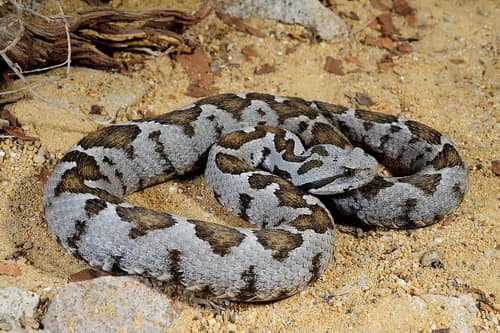
Competitor Benny Trapp / CC BY 3.0 · cc-by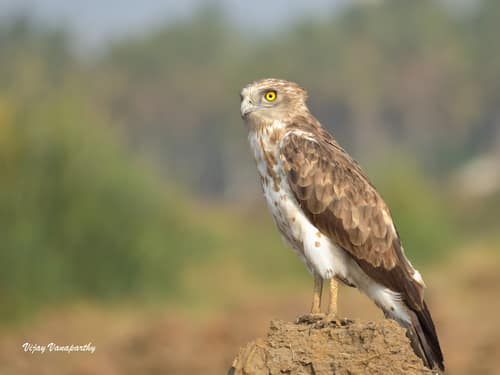
Predator (c) Vijay Vanaparthy, some rights reserved (CC BY), uploaded by Vijay Vanaparthy · cc-by Image unavailable
Close Relative 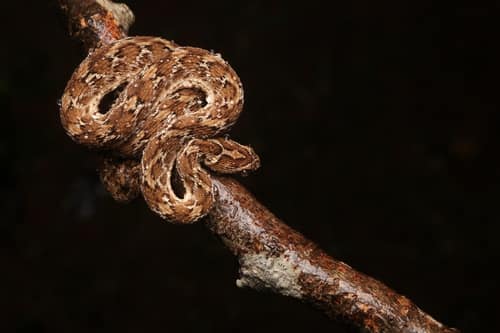
Same Family (c) @dineshphotography7797, some rights reserved (CC BY) · cc-by
Help improve the field guideSomething wrong?
Checking your Fauna account…Report a name, category, or profile issue for review.