
Reptile · GBIF taxon 2444453
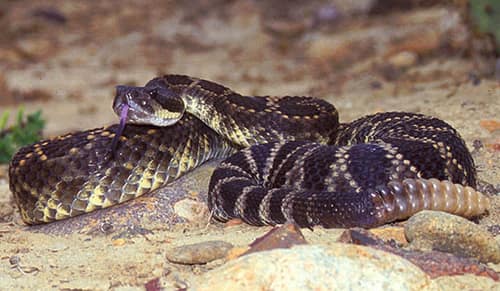
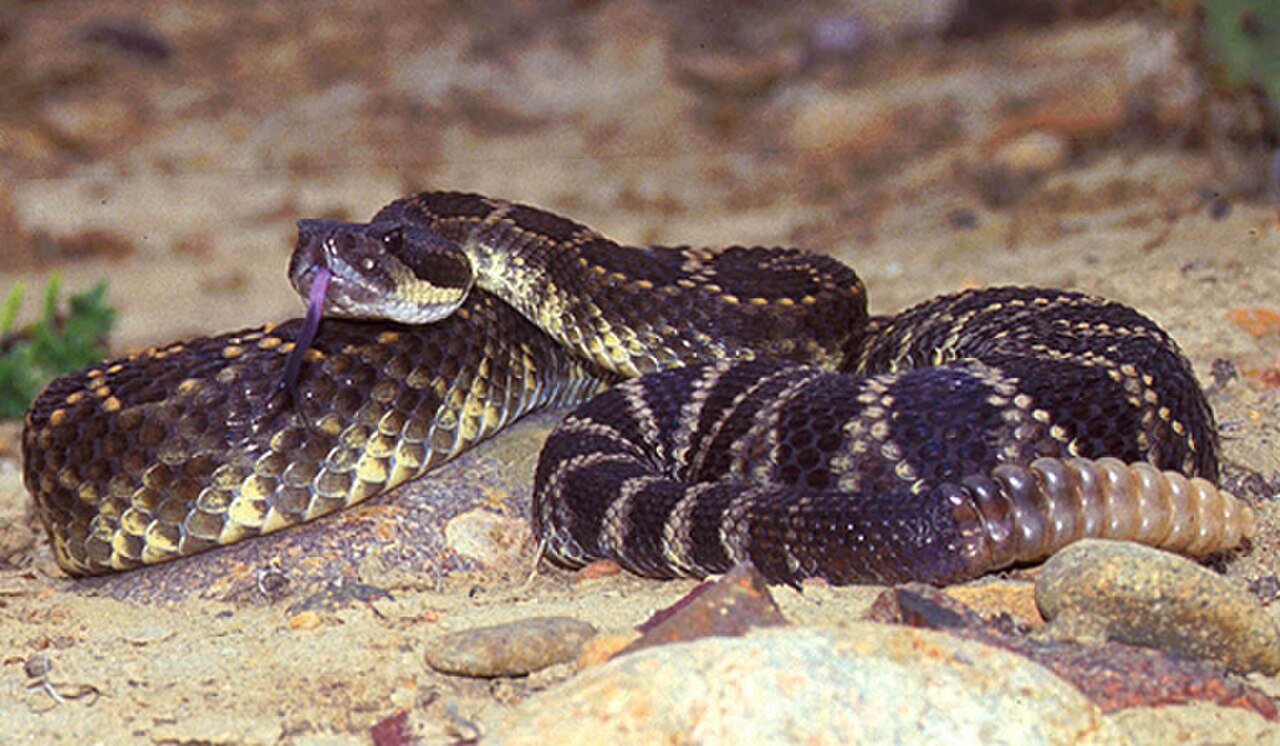
Southern Pacific Rattlesnake
Crotalus helleriAlso known as Black Diamond Rattlesnake, Pacific Rattlesnake
Southern Pacific rattlesnakes inhabit a wide range of southwestern habitats from coastal sage scrub to high mountain pine forests. Active primarily at dawn and dusk during warm months, these pit vipers use heat-sensing facial pits to ambush small rodents and lizards along rocky outcrops and brushy trails. Populations exhibit remarkable venom variation across their range, with some individuals producing potent neurotoxins alongside typical hemotoxic compounds.
VenomousReptileCrepuscular
Licensed referencePhoto by: Chris Brown / Public domain · cc0
—observations
—countries
—peak records
Least ConcernConservation statusIUCN Red List categoriesLCNTVUENCREWEXLeast ConcernRed List categories, explained →
Diet & prey
- California Ground Squirrel
- Mice
- Western Fence Lizard
Predators
- California Kingsnake
- Red-tailed Hawk
- Coyote
ThreatsHabitat fragmentation, road mortality, deliberate human persecution
HabitatsCoastal sage scrub, chaparral, oak woodlands, grassland, rocky slopes
Life span15–20 years
Classification
- FamilyViperidae
- GenusCrotalus
- SpeciesCrotalus helleri
Range data is not available yet.
Interaction riskVery high
- Low
- Moderate
- High
- Very high
- Why interaction risk is very high
- Venomous pit viper; maintain at least three meters distance and watch your footing on brushy trails.
- Why it is dangerous
- Delivers a potent mix of neurotoxins and hemotoxins that causes severe tissue breakdown, systemic pain, and potential respiratory distress.
- How to recognize a risky encounter
- Identified by a distinct triangular head, dark hexagonal dorsal pattern, and a tail ending in a segmented rattle.
- What to do
- Freeze and back away slowly if encountered, leaving a clear escape path for the snake.
Responsible observation
- Watch Foot Placement: Scan trail edges, rock piles, and dense brush before stepping or placing hands.
- Keep Distance: Back away slowly if you hear a rattle or spot a snake, maintaining at least three meters.
- Leash Pets: Keep dogs on short leashes to prevent curious pets from approaching hidden snakes.
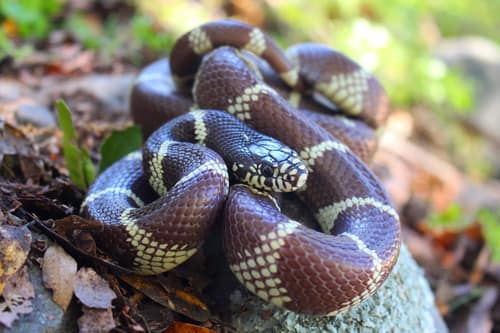
Predator (c) Connor Long, some rights reserved (CC BY-SA) · cc-by-sa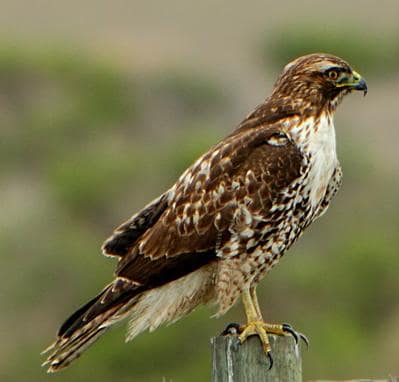
Predator Buteo_jamaicensis_1.jpg: Alan Vernon derivative work: Berichard (talk) / CC BY 2.0 · cc-by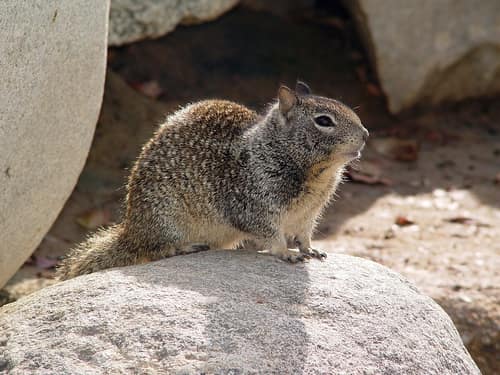
Prey Holly Cheng / CC BY-SA 3.0 · cc-by-sa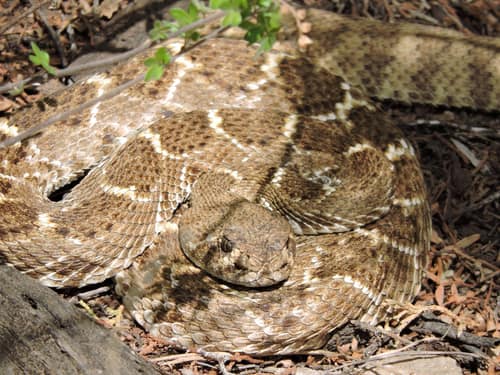
Close Relative (c) Sam Kieschnick, some rights reserved (CC BY), uploaded by Sam Kieschnick · cc-by
Keep collecting in Fauna
Found in Collections
Ecosystem chain Pro
Desert Sands
Southern Pacific Rattlesnake is found in this collection. Identify it in Fauna to fill this slot and continue your progress.
Unlock to track progress
Help improve the field guideSomething wrong?
Checking your Fauna account…Report a name, category, or profile issue for review.