
Reptile · GBIF taxon 2444435
Basilisk Rattlesnake
Crotalus basiliscusAlso known as Mexican West Coast Rattlesnake, Mexican Green Rattler
Basilisk rattlesnakes are among the largest rattlesnake species, inhabiting dry tropical forests and thorn scrub along western Mexico. Adults are recognized by their heavy olive-green or yellowish bodies marked with dark diamond patterns along the spine. Primarily nocturnal during warm periods, they use heat-sensing facial pits to stalk small rodents and lizards under cover of darkness.
VenomousNocturnalPit Viper
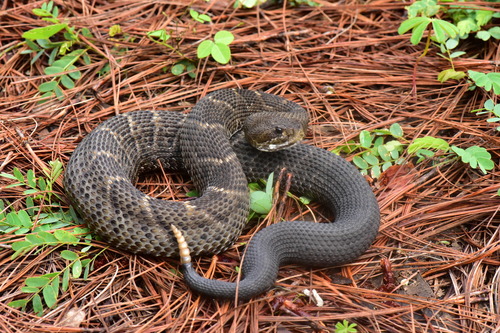
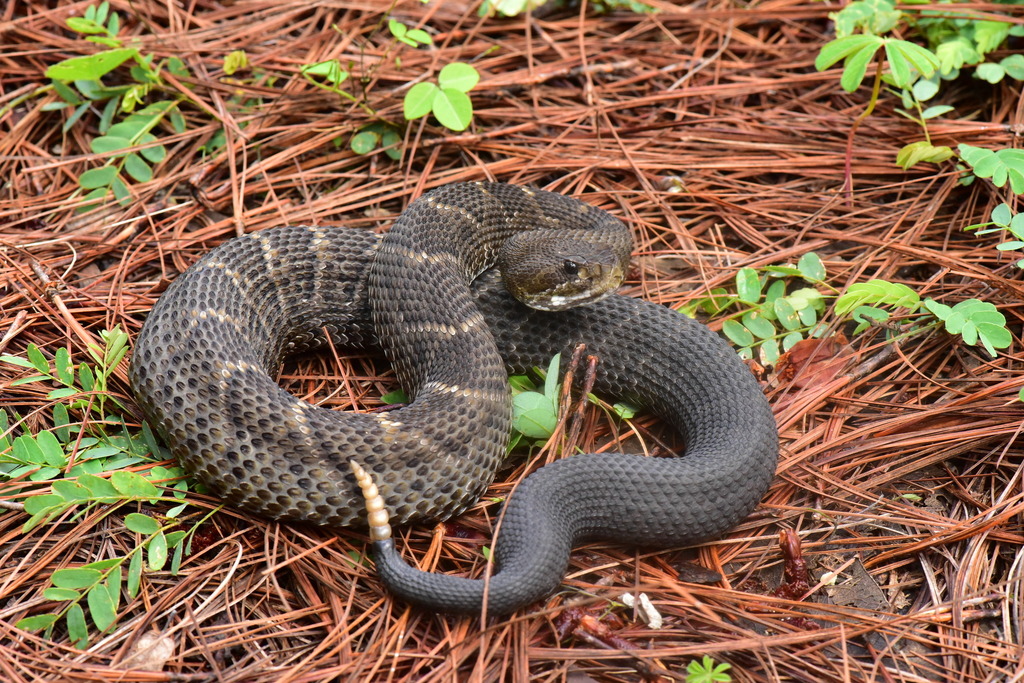 1 / 4
1 / 4—observations
—countries
—peak records
Least ConcernConservation statusIUCN Red List categoriesLCNTVUENCREWEXLeast ConcernRed List categories, explained →
Diet & prey
- Rodents
- Small Mammals
- Lizards
Predators
- Hawks
- Eagles
- Kingsnakes
ThreatsPersecution, habitat loss
HabitatsTropical dry forest, thorn scrub, pine-oak woodland
Life span15–20 years
Classification
- FamilyViperidae
- SpeciesCrotalus basiliscus
Range data is not available yet.
Interaction riskVery high
- Low
- Moderate
- High
- Very high
- Why interaction risk is very high
- Possesses highly potent venom; keep a respectful distance and never attempt to handle or corner one.
- Why it is dangerous
- Injects potent venom causing severe swelling, tissue necrosis, pain, and potentially lethal systemic complications.
- How to recognize a risky encounter
- Heavy-bodied greenish snake with dark diamond markings along the back and a distinct tail rattle.
- What to do
- Freeze and back away slowly if seen or heard; maintain at least three meters of distance.
Responsible observation
- Stay on Trails: Stick to well-cleared paths when walking through dry forest habitats.
- Listen Carefully: Pay attention to rattling sounds and back away slowly if you hear one.
- Maintain Distance: Keep at least three meters away if encountered in the wild.
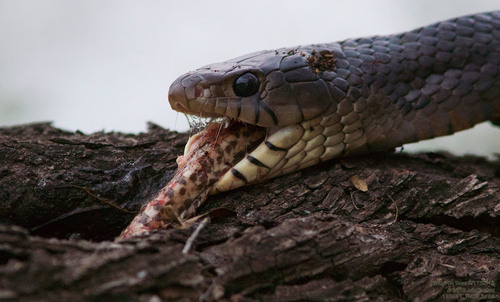
Predator (c) John Rosford, some rights reserved (CC BY) · cc-by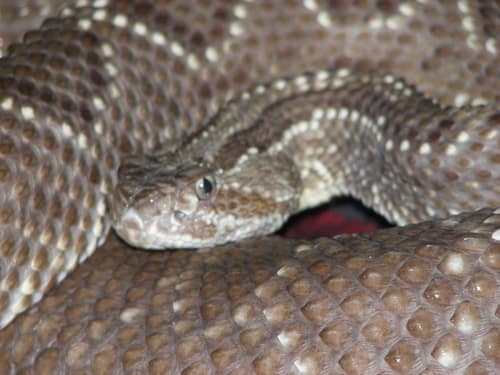
Close Relative (c) John, some rights reserved (CC BY) · cc-by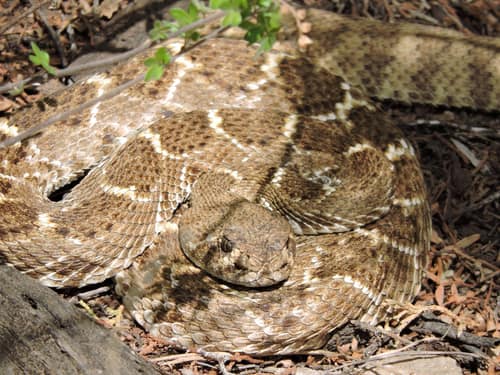
Close Relative (c) Sam Kieschnick, some rights reserved (CC BY), uploaded by Sam Kieschnick · cc-by
Help improve the field guideSomething wrong?
Checking your Fauna account…Report a name, category, or profile issue for review.