
Reptile
Dusky Rattlesnake
Crotalus triseriatusAlso known as Central Mexican Dusky Rattlesnake, Mexican Dusky Rattlesnake
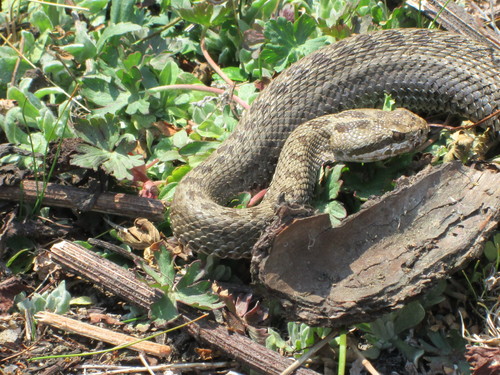
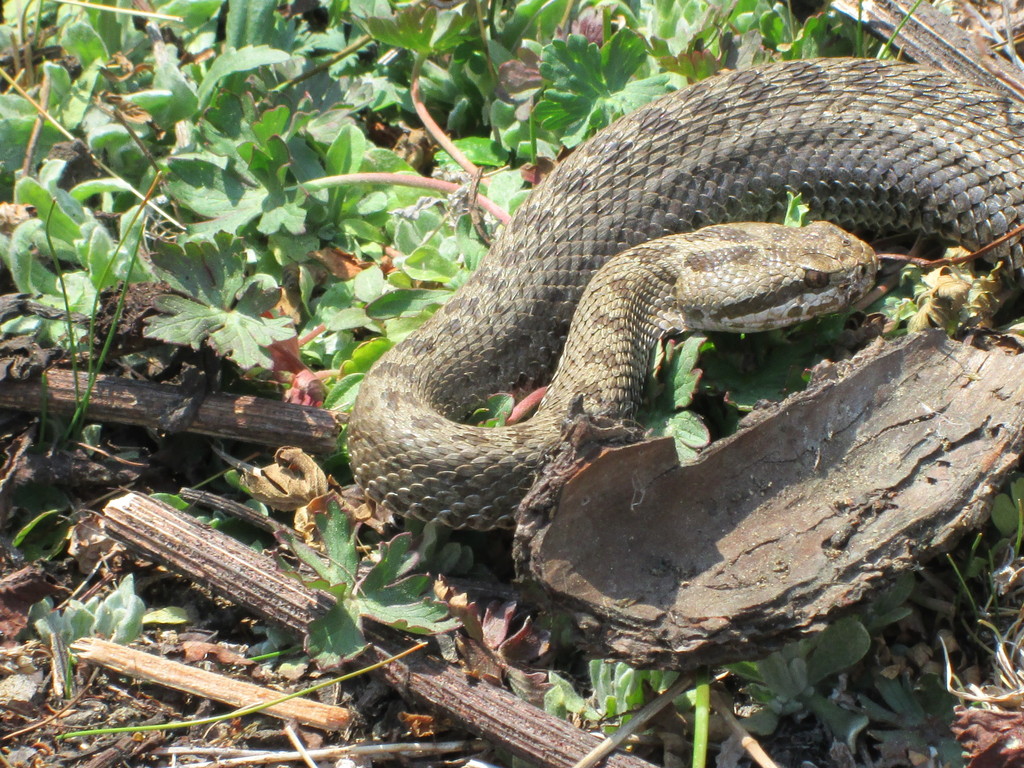
Dusky rattlesnakes are diminutive montane pit vipers adapted to the cold, high-elevation pine-oak forests and tussock grasslands of central Mexico's volcanic belt. Cryptic gray-brown patterning and three rows of subtle dorsal blotches keep them nearly invisible amid volcanic rocks and bunchgrass. They rely on ambush tactics to strike small rodents and lizards, rarely buzzing their tiny rattles unless directly provoked or stepped on.
VenomousMontaneReptile
—observations
—countries
—peak records
Least ConcernConservation statusIUCN Red List categoriesLCNTVUENCREWEXLeast ConcernRed List categories, explained →
Diet & preyDeer Mouse, Spiny Lizard, Montane Grasshopper
Predators
- Red-tailed Hawk
- Crested Caracara
- Striped Skunk
ThreatsHabitat loss from agriculture, logging, urbanization, and direct persecution
HabitatsPine-oak forests, montane bunchgrass meadows, and rocky talus slopes
Life span10–15 years
Classification
- FamilyViperidae
- SpeciesCrotalus triseriatus
Range data is not available yet.
Interaction riskVery high
- Low
- Moderate
- High
- Very high
- Why interaction risk is very high
- Venomous pit viper; maintain a distance of at least two meters and watch step around rocks.
- Why it is dangerous
- Venom contains hemotoxins and myotoxins that destroy tissue, induce severe local necrosis, and cause painful systemic poisoning.
- How to recognize a risky encounter
- Look for a slender gray or brownish body, triangular head, heat-sensing pits, and a very small rattle.
- What to do
- Never touch, corner, or handle wild individuals; take several steps back immediately upon spotting one.
Responsible observation
- Footwear Awareness: Wear sturdy high-top boots and look carefully before stepping over fallen logs or boulders.
- Rattle Attention: Listen for a faint, high-frequency buzzing that sounds more like a cicada than a large rattlesnake.
- Safe Distance: Use a telephoto lens or binoculars to observe basking snakes without crowding their defensive perimeter.
 Image unavailable
Prey 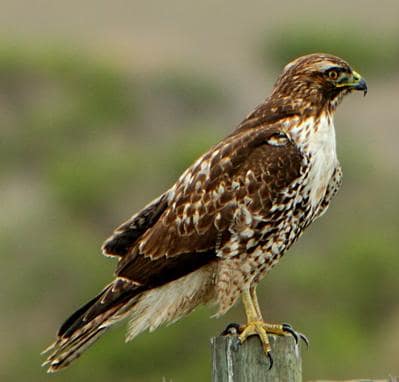
Predator Buteo_jamaicensis_1.jpg: Alan Vernon derivative work: Berichard (talk) / CC BY 2.0 · cc-byClose Relative 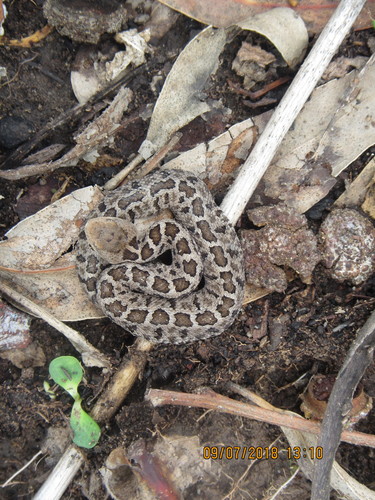
Same Family (c) Jalil R., some rights reserved (CC BY) · cc-by
Help improve the field guideSomething wrong?
Checking your Fauna account…Report a name, category, or profile issue for review.