
Reptile
Florida Red-bellied Cooter
Pseudemys nelsoniAlso known as Florida Redbelly Turtle
Florida red-bellied cooters spend hours stacked along sunlit logs in clear springs, marshes, and slow-moving rivers across the southeastern United States. Females frequently lay their clutches inside active American alligator nest mounds, taking advantage of the mother alligator's fierce nest defense to deter raccoons and other egg predators. While hatchlings hunt insects and snails, adults shift to an almost entirely herbivorous diet, grazing on underwater beds of eelgrass, duckweed, and hydrilla.
AquaticHerbivorousDiurnal
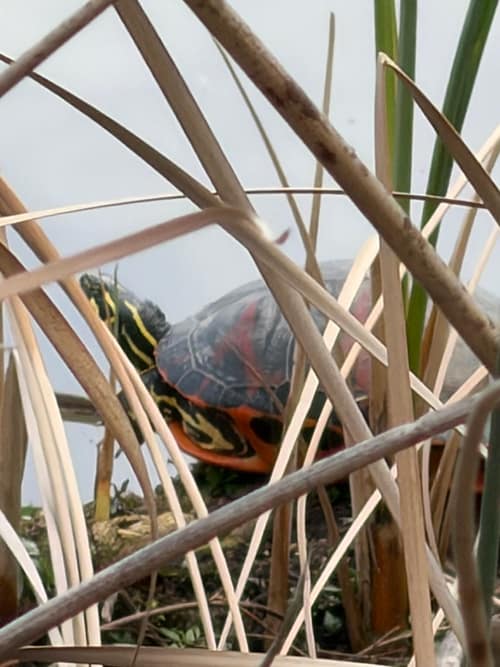
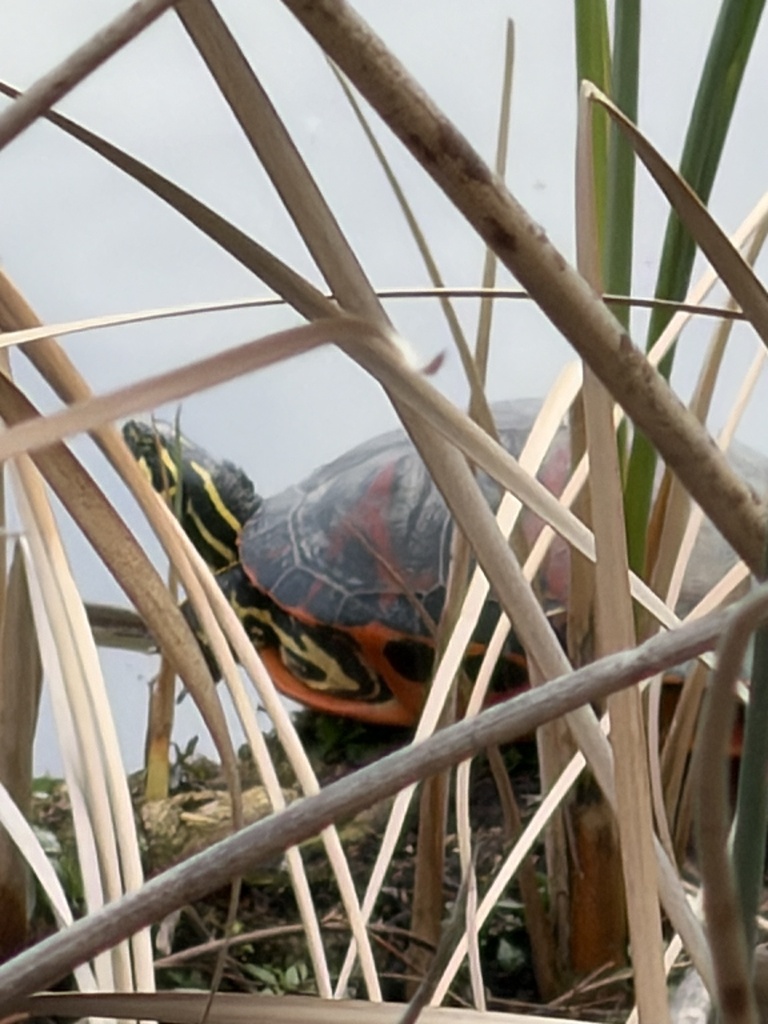
—observations
—countries
—peak records
Least ConcernConservation statusIUCN Red List categoriesLCNTVUENCREWEXLeast ConcernRed List categories, explained →
Diet & preyAquatic Plants, Algae, Aquatic Insects
Predators
- American Alligator
- Raccoon
- River Otter
ThreatsWetland habitat loss, road mortality during nesting, and nest predation
HabitatsFreshwater springs, marshes, ponds, lakes, and slow-moving rivers
Life span20–30 years in the wild
Classification
- FamilyEmydidae
- SpeciesPseudemys nelsoni
Range data is not available yet.
Interaction riskLow
- Low
- Moderate
- High
- Very high
- Why interaction risk is low
- Safe to observe at a normal distance; avoid picking up or disturbing basking turtles.
Responsible observation
- Binocular Viewing: Scan fallen logs and sunlit banks in springs and marshes for groups basking together.
- Respect Basking: Keep a quiet distance so turtles do not plunge into the water and lose needed warmth.
- Road Safety: Watch for nesting females crossing roads near wetlands during spring and summer.
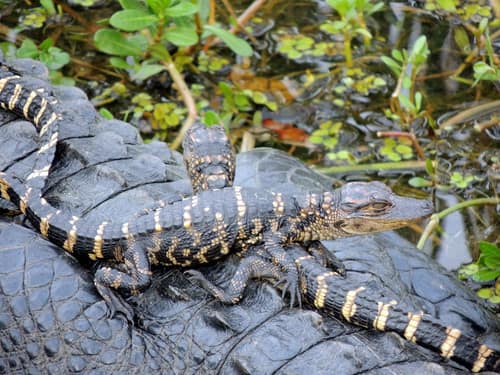
Nest Host no rights reserved, uploaded by Vijay Barve · cc0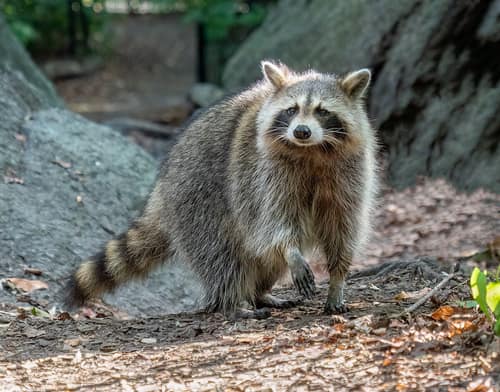
Predator Rhododendrites / CC BY-SA 4.0 · cc-by-sa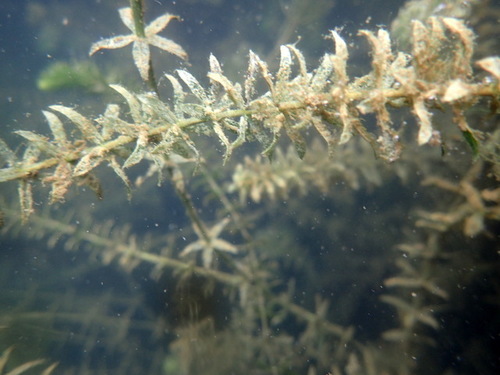
Food Source (c) mfeaver, some rights reserved (CC BY), uploaded by mfeaver · cc-by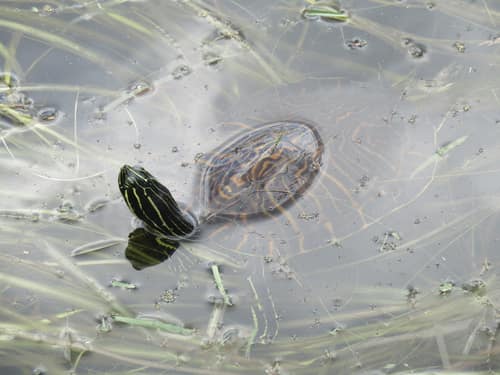
Close Relative (c) jfox16, some rights reserved (CC BY) · cc-by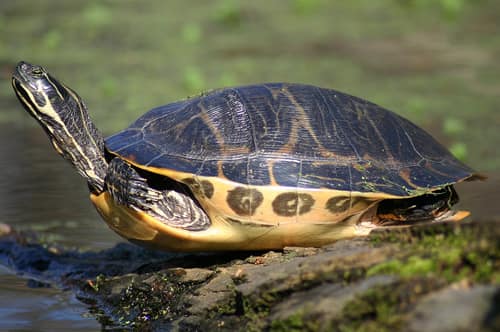
Close Relative Ryan Somma https://www.flickr.com/photos/ideonexus/ / CC BY-SA 2.0 · cc-by-sa
Help improve the field guideSomething wrong?
Checking your Fauna account…Report a name, category, or profile issue for review.