Fauna
Reptile

Yangtze Giant Softshell Turtle

Rafetus swinhoei

Also known as Red River Giant Softshell Turtle, Shanghai Softshell Turtle, Speckled Softshell Turtle, Swinhoe's Softshell Turtle

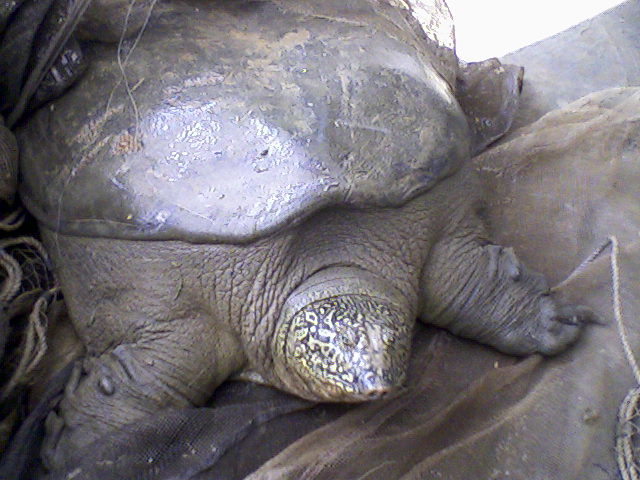
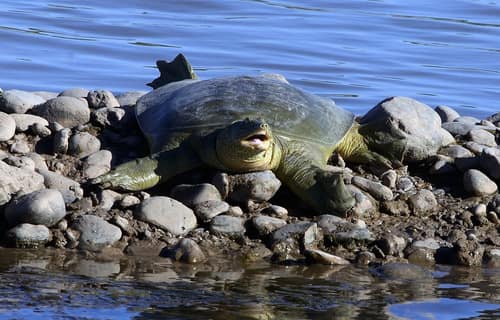
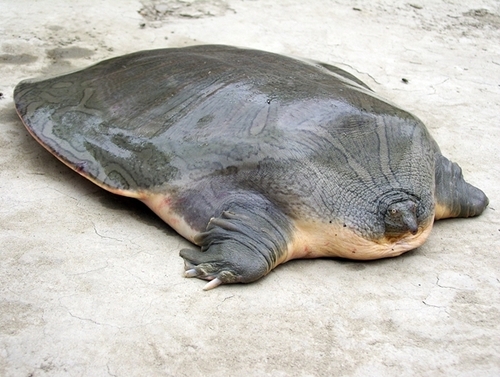
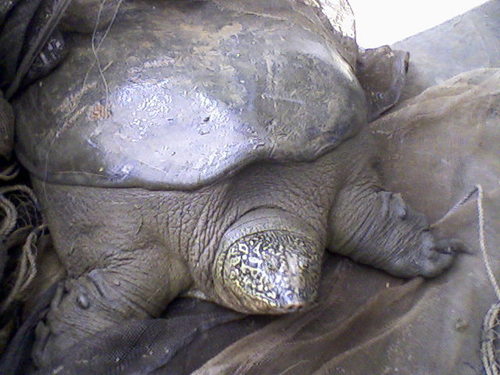
Yangtze giant softshell turtles spend the vast majority of their lives submerged in deep rivers and quiet freshwater lakes, surfacing only briefly to breathe through their elongated, snorkel-like snouts. Their flattened, leathery carapaces lack hard, bony scutes, allowing them to bury deep within muddy sediment where they wait to ambush passing fish and aquatic invertebrates. Once revered in Vietnamese folklore as mythical protectors of dynastic swords, the species is now perched on the absolute brink of total extinction due to rampant overhunting and habitat alteration.

AquaticFreshwater
—observations
—countries
—peak records
Critically EndangeredConservation statusIUCN Red List categoriesLCNTVUENCREWEXCritically EndangeredRed List categories, explained →
Diet & preyFreshwater fish, Freshwater crabs, Aquatic snails
Predators
  • Humans
ThreatsOverhunting for meat and medicine, dam construction, wetland drainage, and pollution
HabitatsDeep freshwater rivers, wetlands, floodplains, and large lakes
Life span80–100+ years
  1. FamilyTrionychidae
  2. SpeciesRafetus swinhoei
Range data is not available yet.
Interaction riskLow
  1. Low
  2. Moderate
  3. High
  4. Very high
Why interaction risk is low
Possesses immensely powerful jaws capable of delivering a severe bite; keep well clear if encountered.
Why it is dangerous
Large individuals have crushing jaw strength with razor-sharp beak edges capable of amputating fingers or breaking bones.
How to recognize a risky encounter
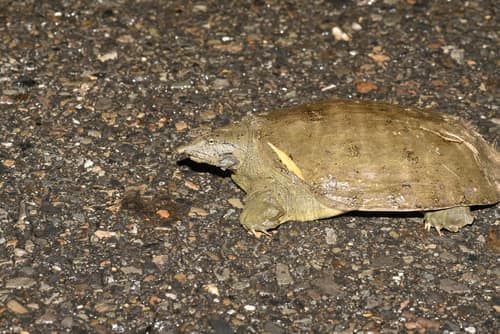
Look for a massive, smooth, olive-green leathery shell marked with yellowish specks and a prominent pig-like snout.
What to do
Never attempt to touch or capture this turtle: keep several meters away and allow trained conservation biologists to intervene.
What to notice
Easily distinguished by its enormous flat body, wrinkled neck, mottled skin, and aquatic basking behavior.
Support conservation
Never disturb known habitat sites, photograph only without flash, and strictly respect conservation exclusion zones.
Responsible observation
  • Distance: Observe from afar if visiting managed conservation facilities or sanctuary lakes.
  • Reporting: Report any potential sightings immediately to international turtle conservation programs.
  • Waterways: Avoid disturbing fragile lake bottoms and wetland margins in known historical territories.
Help improve the field guideSomething wrong?

Report a name, category, or profile issue for review.

Checking your Fauna account…