
Reptile · GBIF taxon 5220435
Chinese Softshell Turtle
Pelodiscus sinensisAlso known as Chinese Soft-shelled Turtle
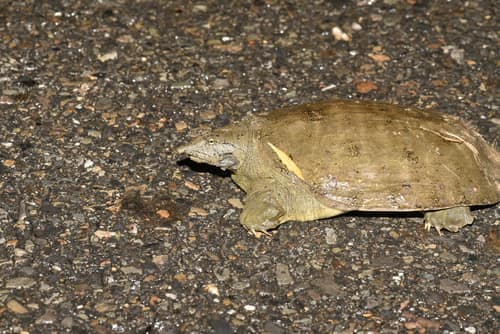
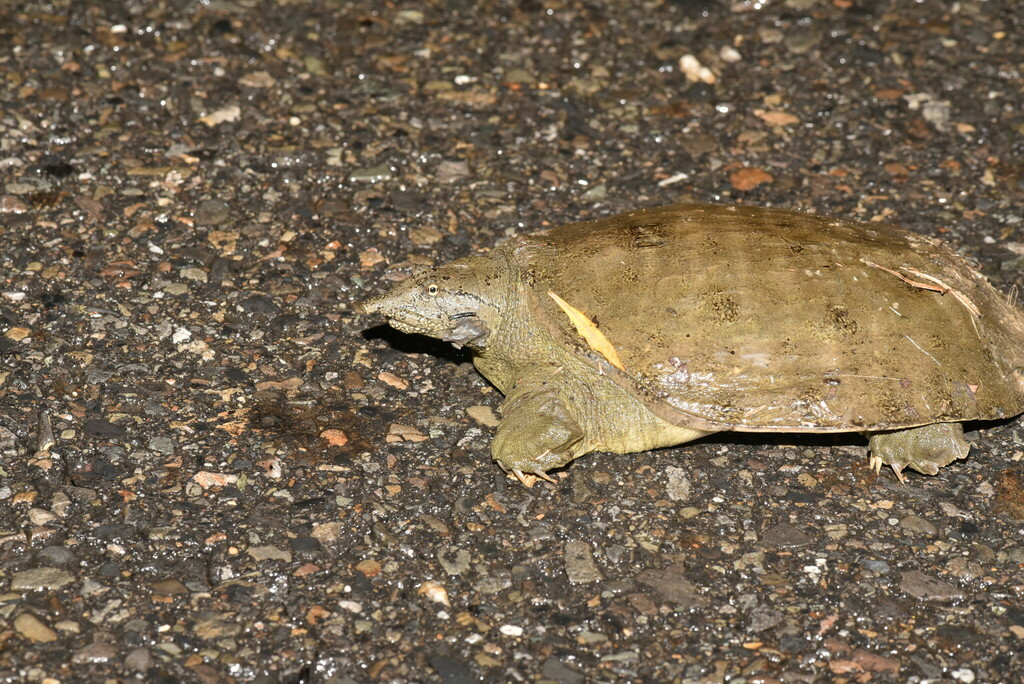
Chinese softshell turtles feature a smooth, leathery carapace lacking rigid bony scutes and a long, tubular snout that functions like a natural snorkel. Highly adapted to aquatic life, they spend long periods buried in muddy riverbeds where they lie in wait to ambush passing prey. Specialized tissues in their throat enable them to absorb oxygen directly from water, extending the time they can remain submerged.
AquaticFreshwaterReptile
—observations
—countries
—peak records
VulnerableConservation statusIUCN Red List categoriesLCNTVUENCREWEXVulnerableRed List categories, explained →
Diet & prey
- Small fish
- Freshwater snails
- Crustaceans
Predators
- Large fish
- Herons
- Humans
ThreatsOverharvesting for wild meat and traditional medicine, habitat loss, and water pollution
HabitatsSlow-moving rivers, lakes, ponds, canals, and freshwater marshes
Life span20–30 years
Classification
- FamilyTrionychidae
- SpeciesPelodiscus sinensis
Range data is not available yet.
Interaction riskLow
- Low
- Moderate
- High
- Very high
- Why interaction risk is low
- Powerful jaws and a long, flexible neck allow rapid defensive bites; avoid handling wild turtles.
- Why it is dangerous
- Equipped with sharp, hard-edged jaws and a long, lightning-fast neck that can inflict deep, painful lacerations.
- How to recognize a risky encounter
- Recognized by a flat, olive-brown leathery shell without scutes, webbed feet, and a prominent tubular snout.
- What to do
- Maintain a safe distance on shore and never attempt to lift or corner wild individuals.
- What to notice
- Look for an olive-green leathery shell, tubular nostrils, and a pale yellow or whitish plastron.
- Support conservation
- Keep a respectful distance and avoid disclosing precise location details of wild nests or breeding areas.
Responsible observation
- Quiet Observation: Scan muddy riverbanks or quiet shoals where turtles extend their snouts above water to breathe.
- Keep Distance: Avoid approaching closely or attempting to pick up turtles, as their necks reach farther than expected.
- Respect Nesting Sites: Leave sandy or muddy shorelines undisturbed during late spring and summer breeding seasons.
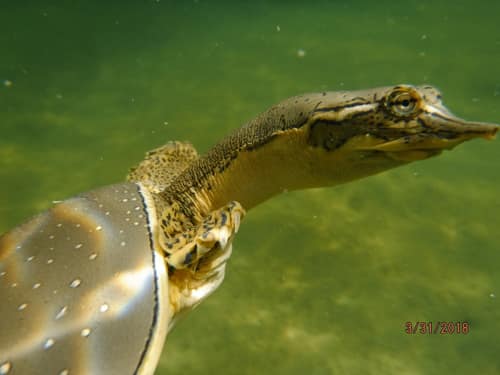
North American Counterpart no rights reserved, uploaded by Nick Loveland · cc0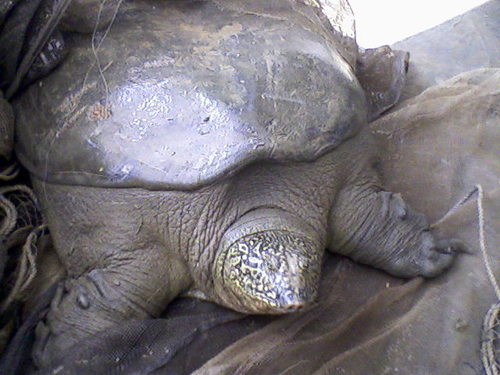
Family Relative (c) Phuongcacanh, some rights reserved (CC BY-SA) · cc-by-sa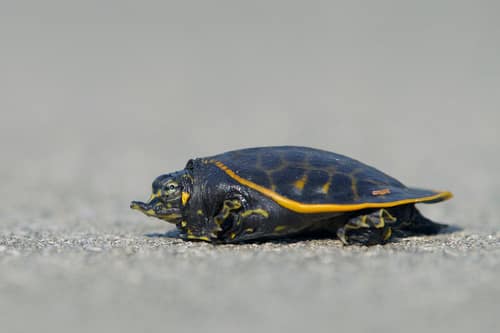
Family Relative (c) Owen Strickland, some rights reserved (CC BY), uploaded by Owen Strickland · cc-by
Help improve the field guideSomething wrong?
Checking your Fauna account…Report a name, category, or profile issue for review.