
Reptile
Sonoran Mud Turtle
Kinosternon sonorienseAlso known as Sonora Mud Turtle, Desert Mud Turtle, Casquito de Sonora
Sonoran mud turtles are well-adapted desert wetland specialists, inhabiting isolated springs, creeks, and river pools throughout arid and semi-arid terrain. They spend the vast majority of their lives submerged along muddy bottoms, surfacing periodically to breathe or bask cryptically on half-submerged logs. When seasonal pools dry up during peak summer heat, adults often bury themselves in damp sediment or travel overland to seek surviving water pockets.
AquaticReptileDesert Dweller
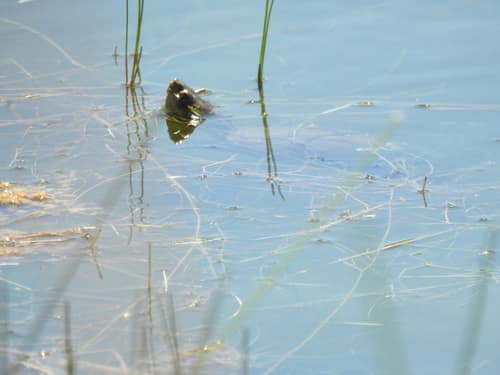
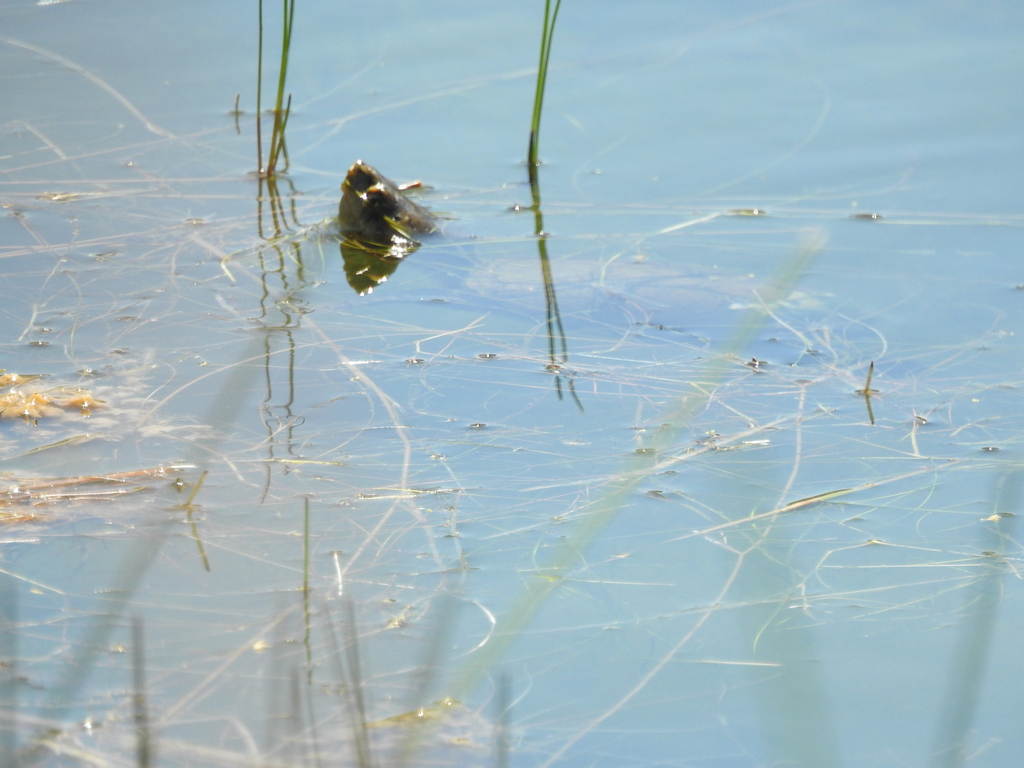
—observations
—countries
—peak records
VulnerableConservation statusIUCN Red List categoriesLCNTVUENCREWEXVulnerableRed List categories, explained →
Diet & preyFreshwater snails, Aquatic beetle larvae, Small fish
Predators
- Coyote
- Raccoon
- Great Blue Heron
ThreatsGroundwater pumping, stream dewatering, habitat fragmentation, and introduced predatory fish
HabitatsPermanent and semi-permanent desert rivers, streams, cienegas, and canyon pools
Life span30–50 years
Classification
- FamilyKinosternidae
- SpeciesKinosternon sonoriense
Range data is not available yet.
Interaction riskLow
- Low
- Moderate
- High
- Very high
- Why interaction risk is low
- May deliver a sharp pinch or defensive bite if captured; observe from the bank.
- What to notice
- Look for an oval, olive-to-dark-brown carapace without prominent keels and light mottled markings on the head and neck.
- Support conservation
- Maintain a respectful distance from natural springs, never remove turtles from isolated pools, and avoid disturbing delicate desert riparian edges.
Responsible observation
- Viewing etiquette: Scan still pools and shallow eddy currents quietly from the shoreline to spot floating snouts.
- Handling warning: Never handle wild individuals, as they release foul-smelling musk and possess strong jaws.
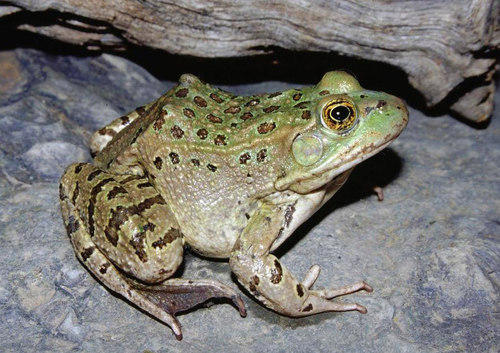
Neighbor (c) USFWS Endangered Species, some rights reserved (CC BY) · cc-by
Close Relative (c) Michelle W. (鍾偉瑋), some rights reserved (CC BY) · cc-by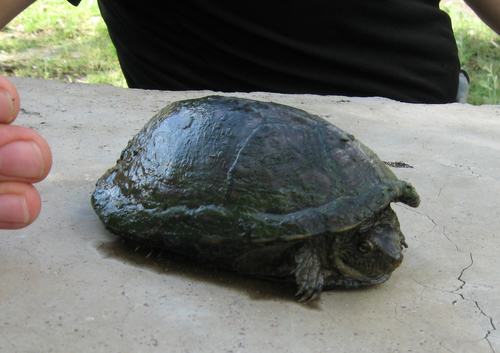
Close Relative no rights reserved, uploaded by Chris (CP) and Pamela (PP) Pipes · cc0
Help improve the field guideSomething wrong?
Checking your Fauna account…Report a name, category, or profile issue for review.