
Reptile · GBIF taxon 2441973
Broad-shelled Turtle
Chelodina expansaAlso known as Giant Snake-necked Turtle, Broad-shelled River Turtle, Broad-shelled Snake-necked Turtle
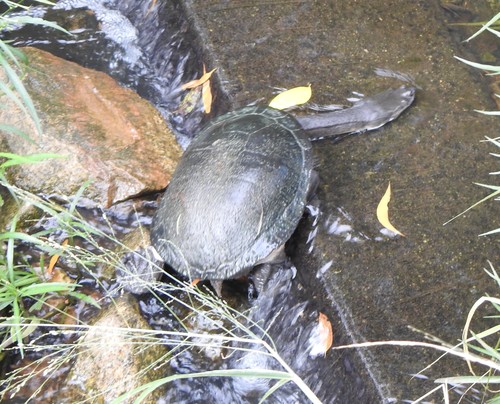
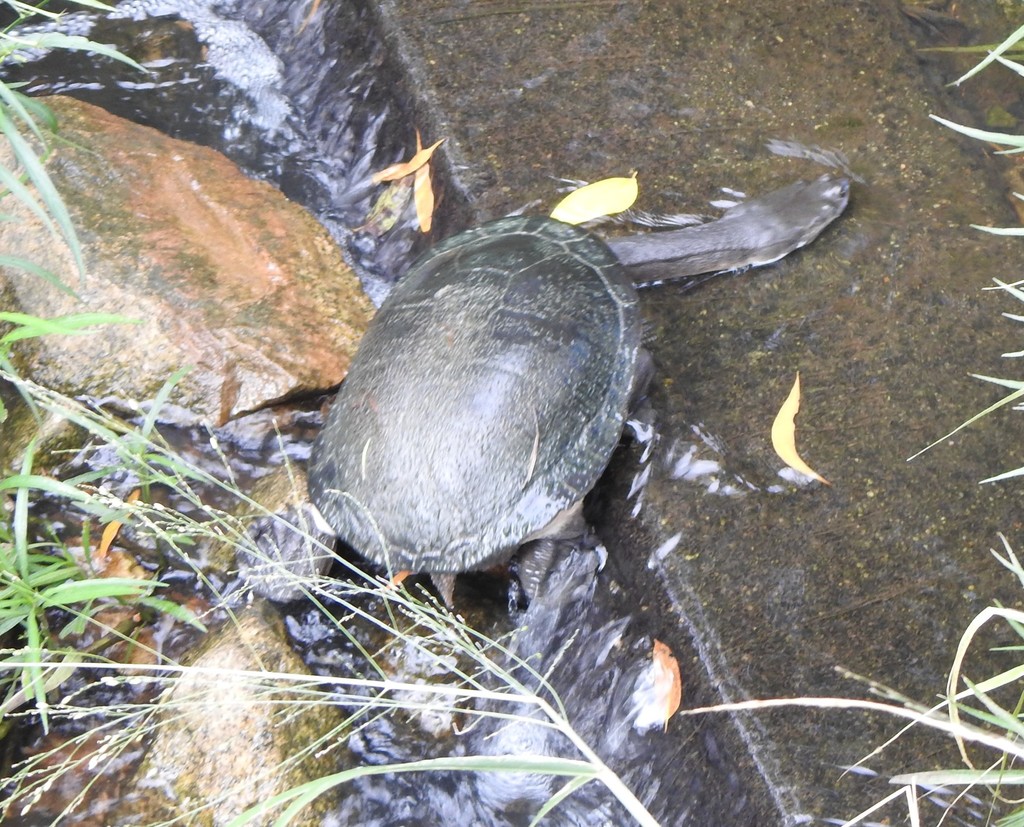
Broad-shelled turtles lurk motionlessly on murky river bottoms, relying on their flattened, algae-draped shells for camouflage before snapping their vacuum-like jaws forward to engulf unsuspecting prey. Unlike most Australian freshwater turtles, females lay their brittle-shelled eggs in autumn or winter, leaving embryos to enter developmental diapause until soil conditions warm in spring. Their exceptionally long necks cannot be retracted straight back, instead folding sideways into the shell along an S-shaped curve.
FreshwaterAquaticCarnivorous
 1 / 5
1 / 5—observations
—countries
—peak records
Not EvaluatedConservation statusIUCN Red List categoriesLCNTVUENCREWEXNot Evaluated — not placed on the risk ladderRed List categories, explained →
Diet & prey
- Common Yabby
- Australian Smelt
- Aquatic Insect Larvae
Predators
- Red Fox
- Lace Monitor
- Dingo
ThreatsPredation of nests by invasive foxes, river regulation, and road mortality during nesting wanderings
HabitatsPermanent deep waterholes, slow-moving rivers, lagoons, and billabongs
Life span30–50 years
Classification
- FamilyChelidae
- SpeciesChelodina expansa
Range data is not available yet.
Interaction riskLow
- Low
- Moderate
- High
- Very high
- Why interaction risk is low
- Can strike sideways with lightning speed to deliver a painful bite; keep fingers clear of the neck.
- Why it is dangerous
- The neck can extend rapidly sideways with enough reach and muscular power to deliver an unexpected, flesh-tearing bite.
- How to recognize a risky encounter
- Look for an unusually wide, flattened, oval carapace coupled with a remarkably thick, long neck.
- What to do
- Never position hands within reach of the head or front flanks; support exclusively from the rear shell.
- What to notice
- Massive freshwater turtle with a broad shell exceeding 35 cm and a pale underside.
- Support conservation
- Leave wild turtles undisturbed in their waterways and log nesting sightings with local conservation programs.
Responsible observation
- Basking Spotting: Scan fallen river red gum logs in deep billabongs on warm, quiet mornings.
- Road Assistance: If helping a nesting female across a road, grasp the rear margins of the shell firmly to avoid sideways strikes.
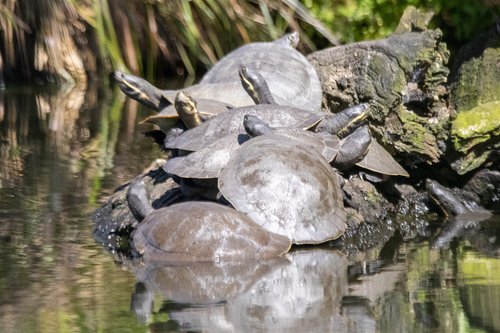
Competitor no rights reserved, uploaded by Joshua S. Martin · cc0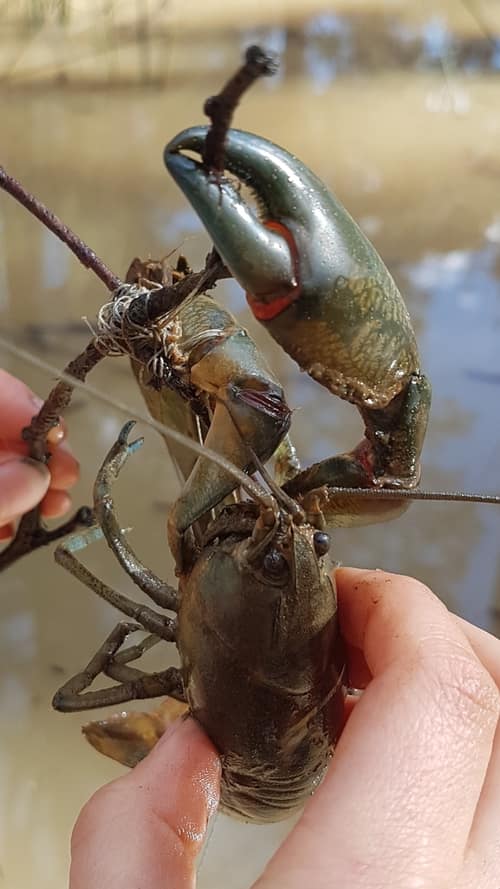
Prey (c) Peter Crowcroft, some rights reserved (CC BY) · cc-by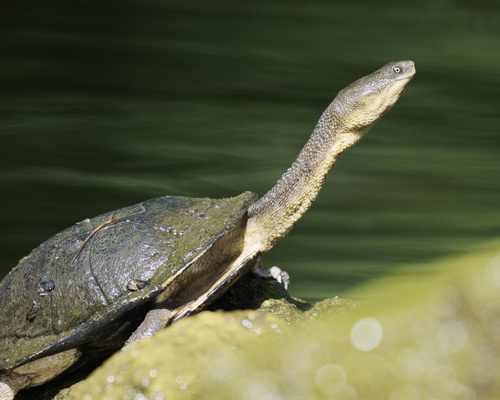
Close Relative (c) Thomas Jaeger, some rights reserved (CC BY), uploaded by Thomas Jaeger · cc-by
Help improve the field guideSomething wrong?
Checking your Fauna account…Report a name, category, or profile issue for review.