
Reptile
American Alligator
Alligator mississippiensisAlso known as Common Alligator, Gator
American alligators act as ecosystem engineers by excavating wallows that hold water during dry seasons, providing crucial refuges for aquatic life. Dominant males produce deep, head-slapping bellows that resonate through southern swamps to establish territory and attract mates. Sows construct raised nests of decaying vegetation and fiercely guard their hatchlings for up to two years.
Apex PredatorReptileAquatic
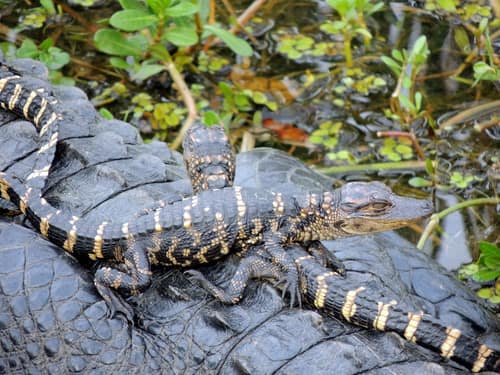

—observations
—countries
—peak records
Least ConcernConservation statusIUCN Red List categoriesLCNTVUENCREWEXLeast ConcernRed List categories, explained →
Diet & preyFish, Waterfowl, Turtles
Predators
- Raccoons (eggs and hatchlings)
- Herons (hatchlings)
- Larger Alligators
ThreatsHabitat loss, water pollution, human conflict
HabitatsFreshwater wetlands, swamps, marshes, rivers, lakes
Life span30–50 years in the wild
Classification
- FamilyAlligatoridae
- GenusAlligator
- SpeciesAlligator mississippiensis
Range data is not available yet.
Interaction riskHigh
- Low
- Moderate
- High
- Very high
- Why interaction risk is high
- Powerful apex predator capable of severe bites; maintain a distance of at least 20 meters.
- Why it is dangerous
- Enormous bite force and defensive aggression can cause bone-crushing injuries or death.
- How to recognize a risky encounter
- Look for a dark body with a broad, rounded snout resting near or at the waterline.
- What to do
- Never approach or corner an alligator, keep pets away, and back away slowly if it hisses.
Responsible observation
- Keep Distance: Maintain at least 20 meters distance from water edges in alligator territory.
- Leash Pets: Keep dogs on a short leash near freshwater bodies to avoid attracting predators.
- Never Feed: Feeding wild alligators makes them habituated and aggressive toward humans.
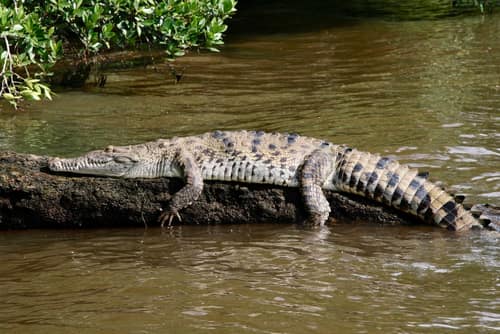
Co-habitant (c) Dr. Alexey Yakovlev, some rights reserved (CC BY-SA) · cc-by-sa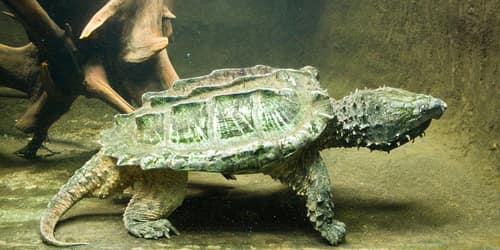
Co-habitant (c) Tina Li, some rights reserved (CC BY-SA) · cc-by-sa
Close Relative Greg Hume / CC BY-SA 3.0 · cc-by-sa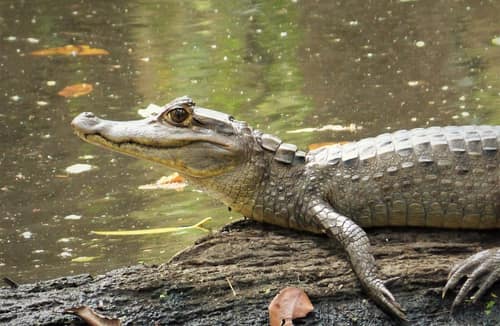
Family Relative (c) gailhampshire, some rights reserved (CC BY) · cc-by
Help improve the field guideSomething wrong?
Checking your Fauna account…Report a name, category, or profile issue for review.