
Reptile · GBIF taxon 2441368
Chinese Alligator
Alligator sinensisAlso known as Yangtze Alligator, China Alligator, Muddy Dragon
Chinese alligators spend nearly half the year dormant inside complex subterranean burrows, emerging in spring to bask beside slow-moving waters in the lower Yangtze River basin. When summer breeding begins, adults produce deep, rhythmic bellowing choruses that resonate across wetlands and maintain communication across dense aquatic vegetation. Once widespread throughout eastern China, wild populations are now confined to tiny fragmented reserves in Anhui province, surviving largely thanks to intensive captive-breeding and reintroduction programs.
ReptileBurrowing

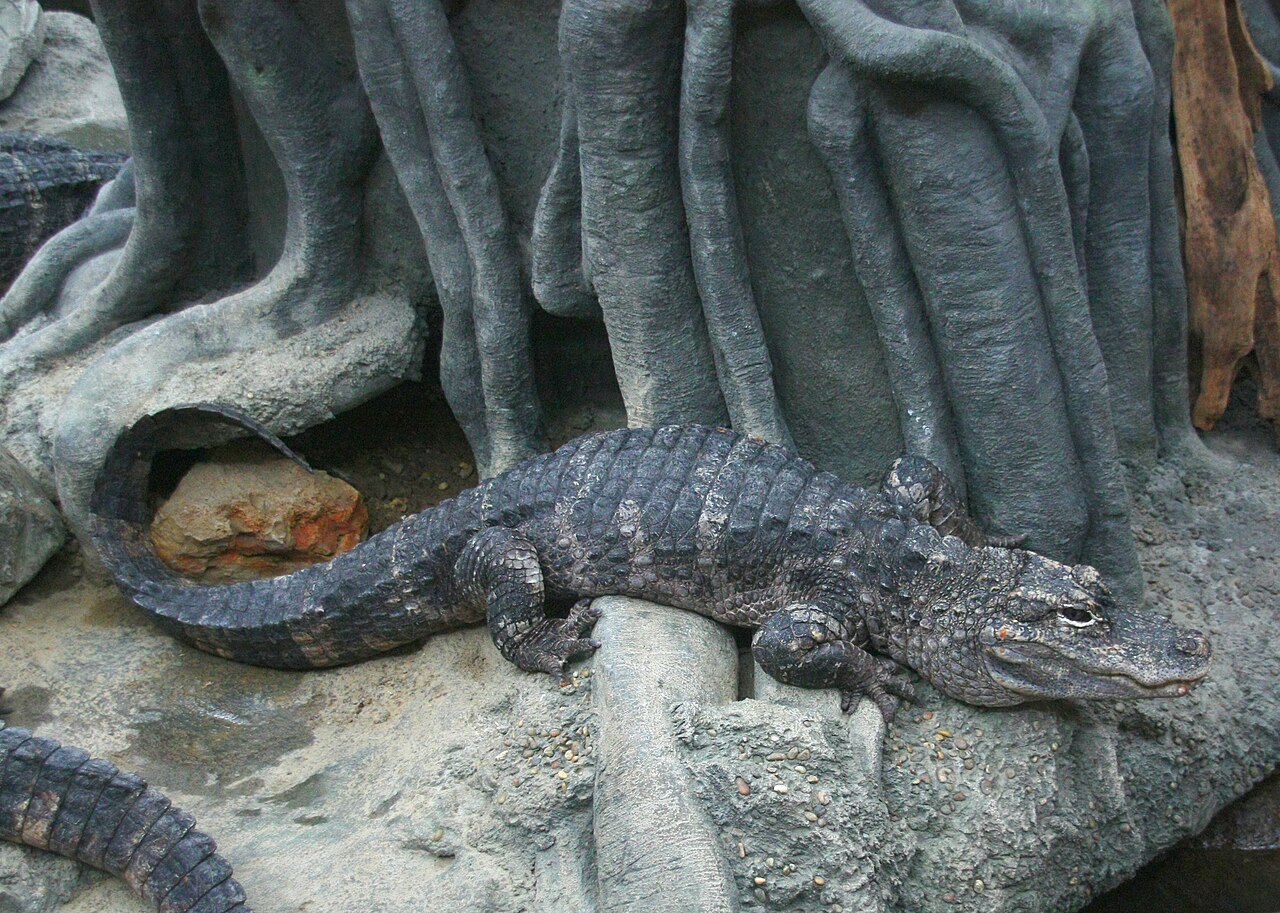
—observations
—countries
—peak records
Critically EndangeredConservation statusIUCN Red List categoriesLCNTVUENCREWEXCritically EndangeredRed List categories, explained →
Diet & prey
- Freshwater snails
- River clams
- Carp
Predators
- Herons (prey on hatchlings)
- Raptors (prey on hatchlings)
- Feral dogs (prey on juveniles and eggs)
ThreatsHabitat conversion for rice agriculture, dam construction, pesticide pollution, and extreme fragmentation.
HabitatsFreshwater wetlands, sluggish rivers, marshes, ponds, and agricultural irrigation canals.
Life span50–70 years
Classification
- FamilyAlligatoridae
- SpeciesAlligator sinensis
Range data is not available yet.
Interaction riskHigh
- Low
- Moderate
- High
- Very high
- Why interaction risk is high
- Docile compared to larger crocodilians, but capable of delivering a severe bite if cornered; keep a respectful distance.
- Why it is dangerous
- Possesses powerful jaws lined with crushing teeth capable of breaking bones and causing deep lacerations when cornered or defending nests.
- How to recognize a risky encounter
- Look for a short, broad snout with upturned nostrils, fully armored osteoderms covering the belly, and dark gray-black coloration.
- What to do
- Never approach a nest or attempt to corner an alligator on land; back away slowly if an individual displays an open-mouth hiss.
- What to notice
- Easily recognized as the only native crocodilian in temperate eastern China, occupying isolated wetland pockets in Anhui province.
- Support conservation
- Do not disturb nesting mounds or active burrows, and report any wild sightings to local nature reserve conservation authorities.
Responsible observation
- Distance: Maintain at least 5 meters from basking individuals to avoid scaring them back into the water.
- Burrow Protection: Avoid walking on unstable mud banks where underground burrow networks may collapse.
- Quiet Observation: Move softly around wetland edges, as vibrations easily alert them to retreat.
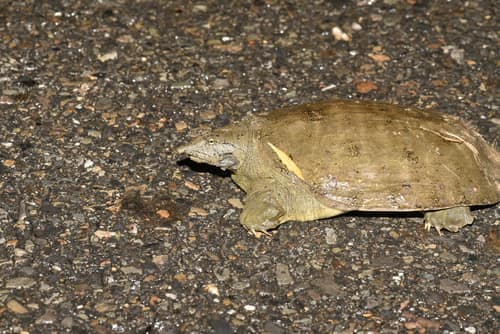
Frequent Companion (c) Yung-Lun Lin, some rights reserved (CC BY) · cc-by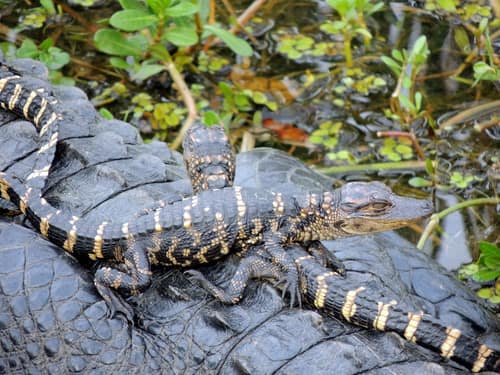
Close Relative no rights reserved, uploaded by Vijay Barve · cc0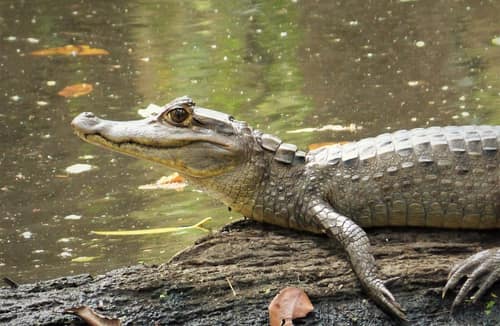
Same Family (c) gailhampshire, some rights reserved (CC BY) · cc-by
Help improve the field guideSomething wrong?
Checking your Fauna account…Report a name, category, or profile issue for review.