
Species
Sulawesi Coelacanth
Latimeria menadoensisAlso known as Indonesian Coelacanth
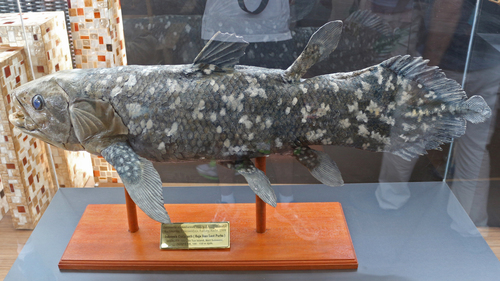
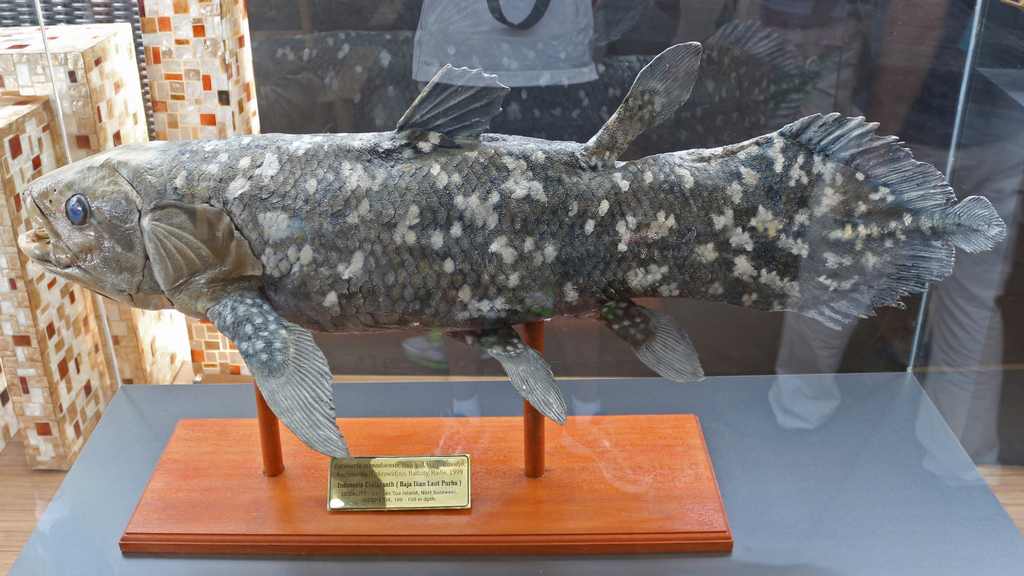
Sulawesi coelacanths drift languidly through steep volcanic drop-offs and submarine caves, orienting themselves vertically or head-down using an electrosensory rostral organ to detect hidden prey. Their fleshy, stalked fins move in an alternating diagonal sequence reminiscent of the gait of a four-legged land animal. Unlike their steel-blue African relatives, these living relics display a rich chocolate-brown coloration flecked with iridescent white flecks that camouflage them against rugged basalt walls.
Deep SeaLobe-finnedLiving Fossil
—observations
—countries
—peak records
VulnerableConservation statusIUCN Red List categoriesLCNTVUENCREWEXVulnerableRed List categories, explained →
Diet & preyLanternfishes, Deep-sea Squids, Cuttlefishes
Predators
- Bluntnose Sixgill Shark
- Tiger Shark
- Deep-sea Sharks
ThreatsDeep-set gillnets, commercial bottom trawling, shark longlines, and localized coastal development
HabitatsSteep submarine volcanic slopes and underwater caves at depths of 150–200 meters
Life span60–100 years
Classification
- FamilyLatimeriidae
- SpeciesLatimeria menadoensis
Range data is not available yet.
Interaction riskLow
- Low
- Moderate
- High
- Very high
- Why interaction risk is low
- Harmless deep-sea dweller, safe to observe at a normal distance.
- What to notice
- Look for a robust brown body, lobed limb-like fins, a three-lobed tail, and distinct white spotting.
- Support conservation
- Strictly protected by Indonesian law and CITES Appendix I; never capture, buy, or trade specimens.
Responsible observation
- Submersible Protocol: Maintain distance and minimize bright floodlights when observing with remotely operated vehicles.
- Bycatch Reporting: Report accidental catches immediately to Indonesian marine fisheries authorities.
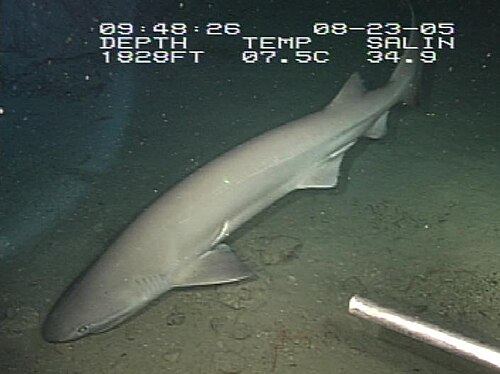
Predator Operation Deep Scope 2005 Expedition: NOAA Office of Ocean Exploration; Harbor Branch Oceanographic Institution / Public domain · cc0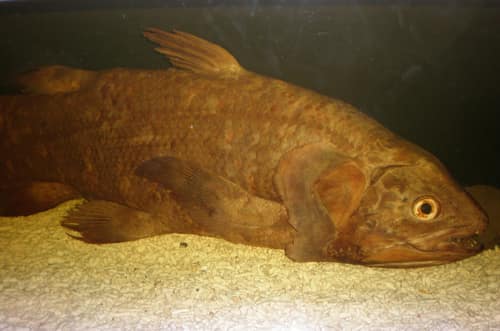
Close Relative (c) BrokenSphere, some rights reserved (CC BY-SA) · cc-by-sa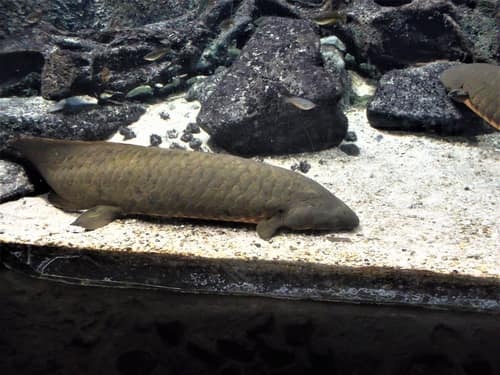
Sarcopterygian Relative (c) Fiver, der Hellseher, some rights reserved (CC BY-SA) · cc-by-sa
Help improve the field guideSomething wrong?
Checking your Fauna account…Report a name, category, or profile issue for review.