
Mammal
Philippine Warty Pig
Sus philippensisAlso known as Philippine Wild Boar
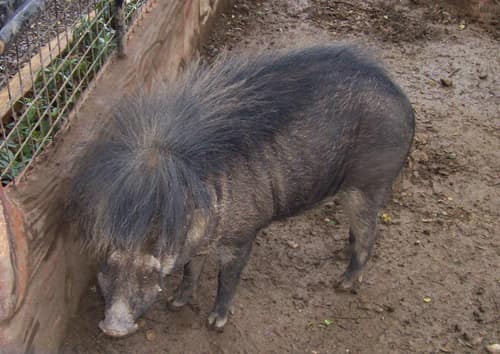
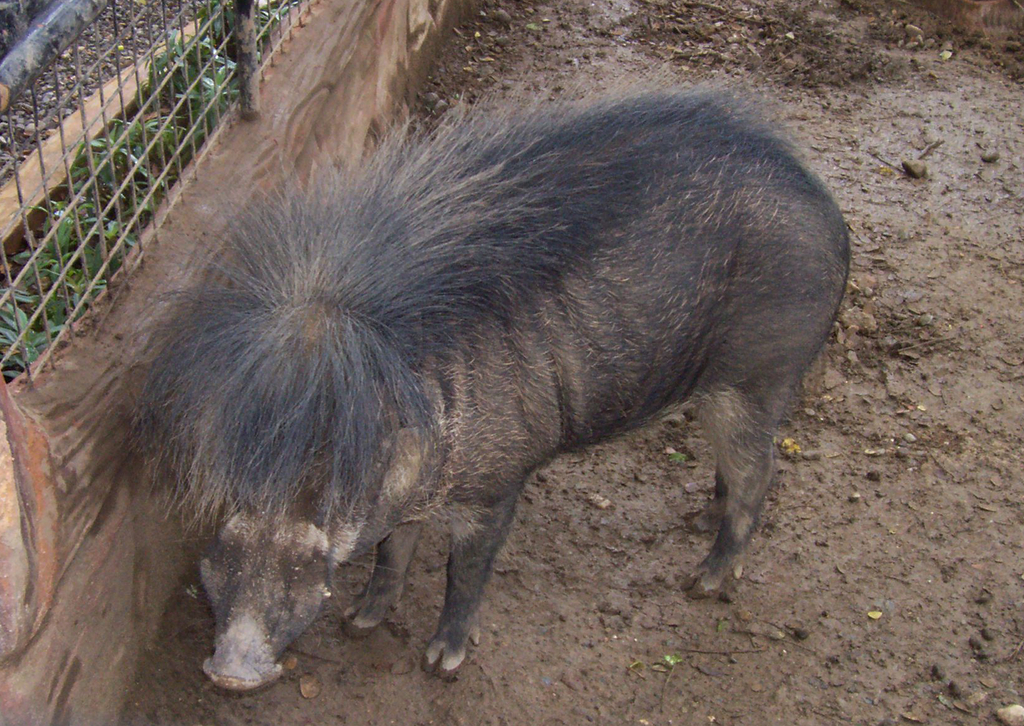
Philippine warty pigs roam the dense rainforest understory of the Philippine archipelago, using their elongated snouts to plow through leaf litter in search of fallen seeds and subterranean roots. Males develop four prominent fleshy facial warts alongside sharp, upward-curving tusks brandished during aggressive territorial disputes. Primarily nocturnal in response to human pressure, family sounders maintain mud wallows that act as essential hubs for coat maintenance and social bonding.
NocturnalEndemicMammal
—observations
—countries
—peak records
VulnerableConservation statusIUCN Red List categoriesLCNTVUENCREWEXVulnerableRed List categories, explained →
Diet & preyFallen Figs, Forest Roots and Tubers, Earthworms and Grubs
Predators
- Reticulated Python
- Philippine Eagle
- Human
ThreatsHabitat fragmentation from logging, commercial poaching for wild meat, and hybridization with domestic swine
HabitatsPrimary and secondary tropical rainforests, montane cloud forests, and degraded forest margins
Life span10–15 years
Classification
- FamilySuidae
- SpeciesSus philippensis
Range data is not available yet.
Interaction riskHigh
- Low
- Moderate
- High
- Very high
- Why interaction risk is high
- Boars can charge and slash with sharp lower tusks if cornered; keep a respectful distance.
- Why it is dangerous
- Adult males possess formidable tusk-like canines capable of inflicting severe puncture wounds and lacerations when defending a sounder.
- How to recognize a risky encounter
- Look for coarse bristly dark fur, a spiky head crest, four distinct facial warts, and protruding tusks in males.
- What to do
- Never corner a wild pig or approach piglets; back away calmly and maintain tree cover between yourself and the animal.
- What to notice
- Recognized by its elongated snout, facial warts, and distinct head crest within primary and mossy forests of the Philippines.
- Support conservation
- Keep observation distances wide, avoid flash photography at night, and report illegal hunting snares to local conservation rangers.
Responsible observation
- Look for sign: Search for freshly overturned forest soil, deep muddy wallows, and low tusk-rub markings on tree trunks.
- Give ample space: Back away slowly without turning your back if an adult gives a sharp alarm snort or stomps.
- Respect trails: Stay strictly on established park footpaths to avoid disturbing vulnerable nocturnal rooting sites.
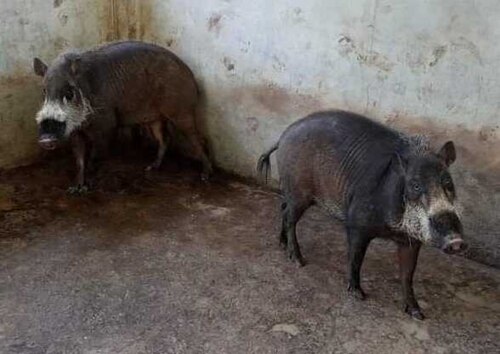
Same Genus Palawan Council for Sustainable Development / Public domain · cc0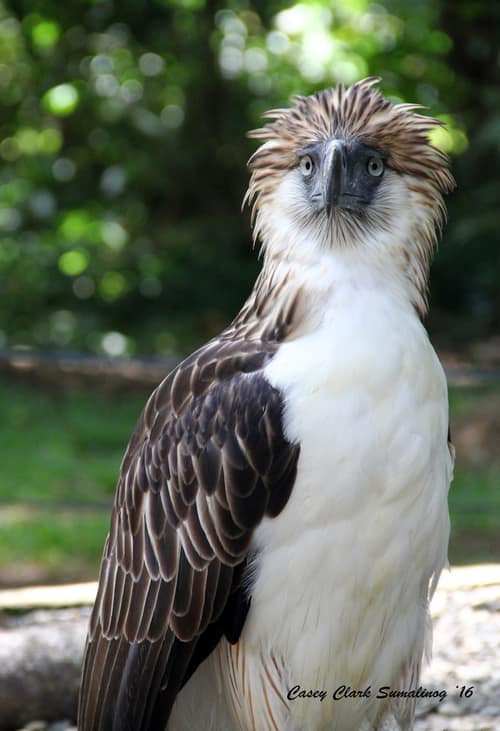
Predator (c) Vreni Gem O. Caasi, some rights reserved (CC BY), uploaded by Vreni Gem O. Caasi · cc-by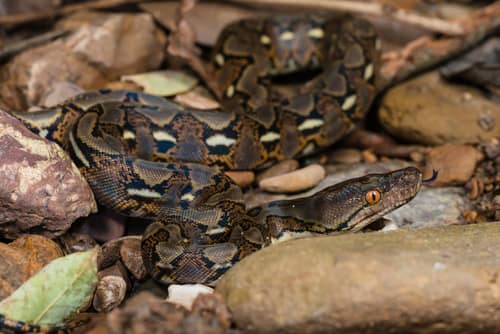
Predator (c) Rushen, some rights reserved (CC BY-SA) · cc-by-sa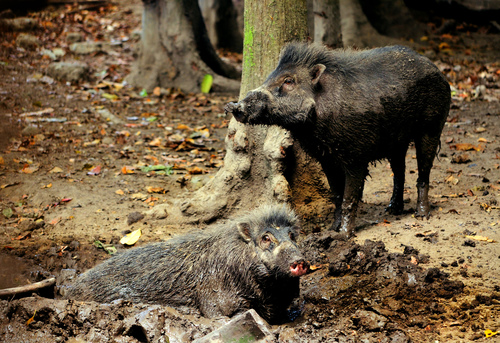
Close Relative (c) Shukran888, some rights reserved (CC BY-SA) · cc-by-sa
Close Relative (c) PhnomPencil, some rights reserved (CC BY-SA) · cc-by-sa
Help improve the field guideSomething wrong?
Checking your Fauna account…Report a name, category, or profile issue for review.