
Mammal
Oliver's Warty Pig
Sus oliveriAlso known as Mindoro Warty Pig
Oliver's warty pigs are compact, elusive suids that roam the fragmented tropical forests and rugged slopes of Mindoro. Small family sounders spend their nights turning over forest loam in search of fallen figs, buried tubers, and soil invertebrates, leaving characteristic shallow wallows and tilled soil across the understory. Males grow prominent facial warts and sharp lower tusks used primarily in sparring disputes over territory and mates during the breeding season.
EndemicForest DwellerNocturnal


—observations
—countries
—peak records
VulnerableConservation statusIUCN Red List categoriesLCNTVUENCREWEXVulnerableRed List categories, explained →
Diet & preyFallen Figs, Wild Tubers, Earthworms
Predators
- Reticulated Python
- Human
ThreatsHabitat destruction from logging, agricultural encroachment, snares, hunting
HabitatsTropical lowland rainforest, montane forest, degraded secondary growth
Life span10–15 years
Classification
- FamilySuidae
- SpeciesSus oliveri
Range data is not available yet.
Interaction riskLow
- Low
- Moderate
- High
- Very high
- Why interaction risk is low
- Boars can deliver serious slashing wounds with sharp tusks if cornered; keep a respectful distance.
- Why it is dangerous
- Adults possess strong jaws and sharp canines capable of inflicting severe puncture wounds and deep lacerations when threatened.
- How to recognize a risky encounter
- Look for a dark, bristly wild boar with three pairs of distinct raised warts along the snout and cheeks.
- What to do
- Never approach a cornered animal, sow with young, or attempt to feed wild individuals; retreat slowly.
- What to notice
- Recognized by its compact stature, dark bristly coat, and prominent facial warts in mature individuals.
- Support conservation
- Keep noise levels low, stay on marked forest trails, and never disclose precise GPS coordinates of sightings publicly.
Responsible observation
- Keep Distance: Back away calmly if encountered along trail systems, particularly if piglets are present.
- Stay on Trails: Avoid venturing into dense underbrush where pigs may be resting during daytime hours.
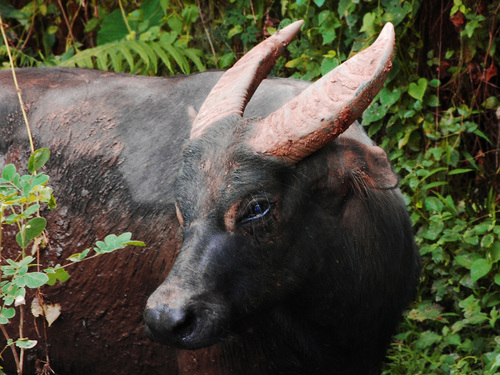
Forest Neighbor (c) Gregg Yan, some rights reserved (CC BY-SA) · cc-by-sa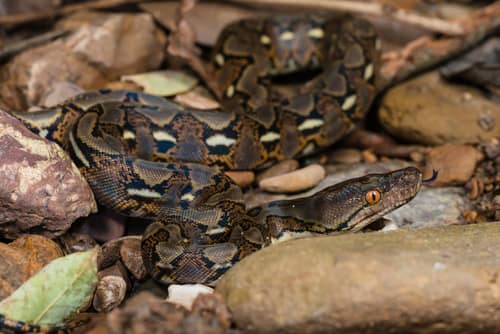
Predator (c) Rushen, some rights reserved (CC BY-SA) · cc-by-sa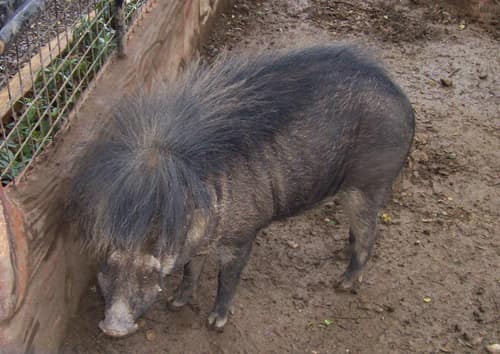
Close Relative (c) Lsj, some rights reserved (CC BY-SA) · cc-by-sa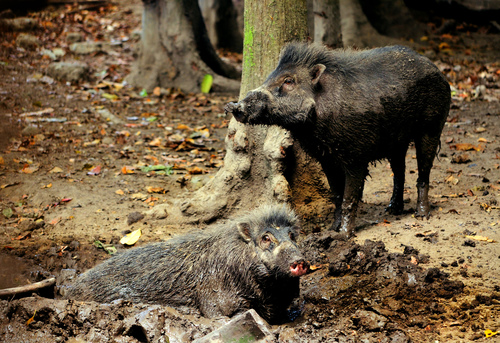
Close Relative (c) Shukran888, some rights reserved (CC BY-SA) · cc-by-sa
Help improve the field guideSomething wrong?
Checking your Fauna account…Report a name, category, or profile issue for review.