
Mammal · GBIF taxon 2441207
Okapi
Okapia johnstoniAlso known as Forest Giraffe, Zebra Giraffe, Congo Giraffe
Okapis glide silently through dense rainforest understory, using their long, blue-grey prehensile tongues to strip leaves, buds, and fungi from lower branches. Highly solitary and elusive, these forest giraffids rely on scent glands on their feet to mark territories along well-worn forest paths. Their striking leg stripes act as camouflage in filtered sunlight while serving as a follow-me visual marker for calves trailing their mothers.
SolitaryRainforestElusive
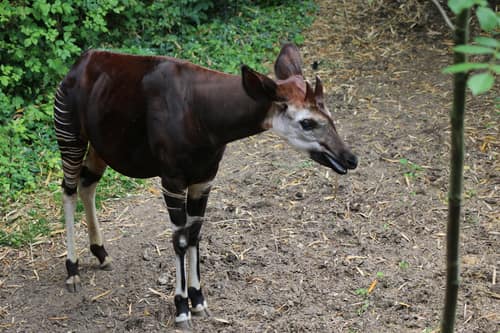
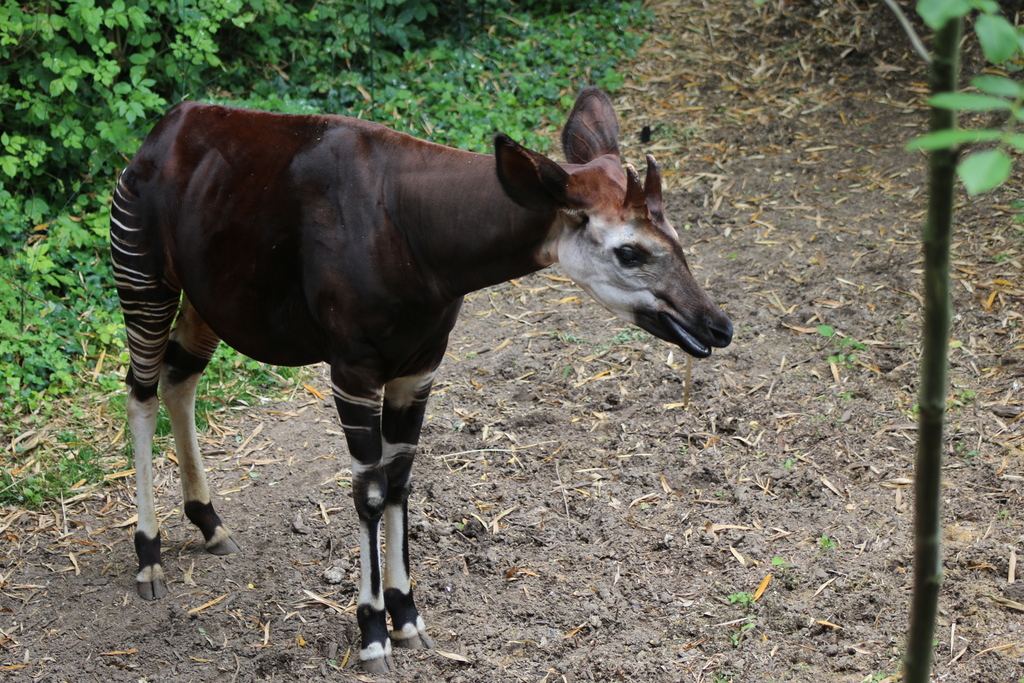
Licensed reference(c) Melvin TOULLEC, some rights reserved (CC BY-SA) · cc-by-sa
—observations
—countries
—peak records
EndangeredConservation statusIUCN Red List categoriesLCNTVUENCREWEXEndangeredRed List categories, explained →
Diet & prey
- Leaves
- Fungi
- Tree bark
Predators
- Leopard
- Human
ThreatsHabitat loss from logging and mining, poaching, civil instability
HabitatsDense lowland tropical rainforests
Life span20–30 years
Size / weightNot available
Classification
- FamilyGiraffidae
- SpeciesOkapia johnstoni
Range data is not available yet.
Interaction riskHigh
- Low
- Moderate
- High
- Very high
- Why interaction risk is high
- Large wild animal capable of delivering powerful kicks; observe quietly from a safe distance.
- Why it is dangerous
- Possesses powerful legs capable of delivering dangerous kicks if cornered or startled.
- How to recognize a risky encounter
- Recognizable by chocolate-brown coat, horizontal white leg stripes, and skin-covered ossicones on males.
- What to do
- Maintain a respectful distance and avoid sudden noises when observing in sanctuary environments.
- What to notice
- Recognized by dense brown fur with distinctive white zebra stripes on the upper legs and hindquarters.
- Support conservation
- Support local conservation initiatives and refrain from purchasing illegal rainforest timber or minerals.
Responsible observation
- Observing feeding: Watch for their long tongue stripping foliage from high browse branches in accredited sanctuaries.
- Supporting conservation: Contribute to protected area management efforts in the Ituri Rainforest.
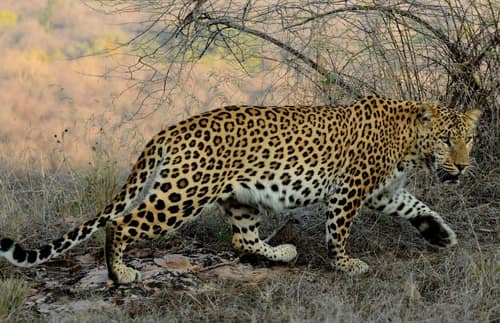
Predator (c) Raja bandi, some rights reserved (CC BY), uploaded by Raja bandi · cc-by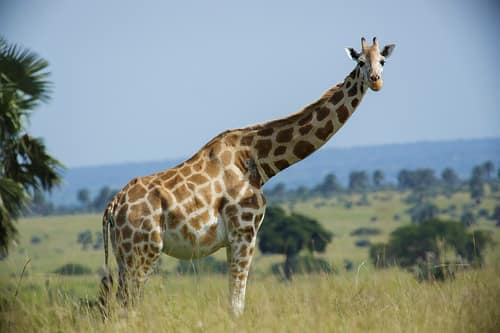
Close Relative Thomas Fuhrmann / CC BY-SA 4.0 · cc-by-sa
Help improve the field guideSomething wrong?
Checking your Fauna account…Report a name, category, or profile issue for review.