
Mammal · GBIF taxon 2441184
European Bison
Bison bonasusAlso known as Wisent, Zubr, European Wood Bison, European Buffalo
European bison are imposing forest giants that browse on tree bark, shrubs, and meadow grasses across broadleaf woodlands. Herds typically consist of maternal groups led by an experienced cow, while adult bulls roam singly or form bachelor bands outside the late summer rut. Extinct in the wild by 1927, successful captive breeding and reintroduction programs have brought these heavy bovids back to European landscapes.
Large MammalHerbivoreForest Dweller
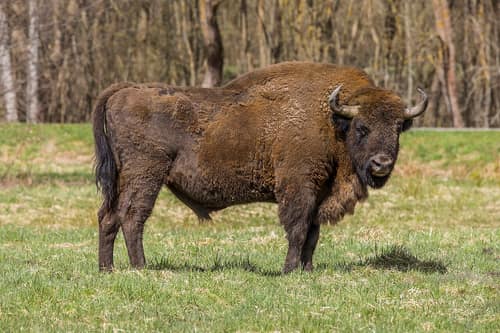
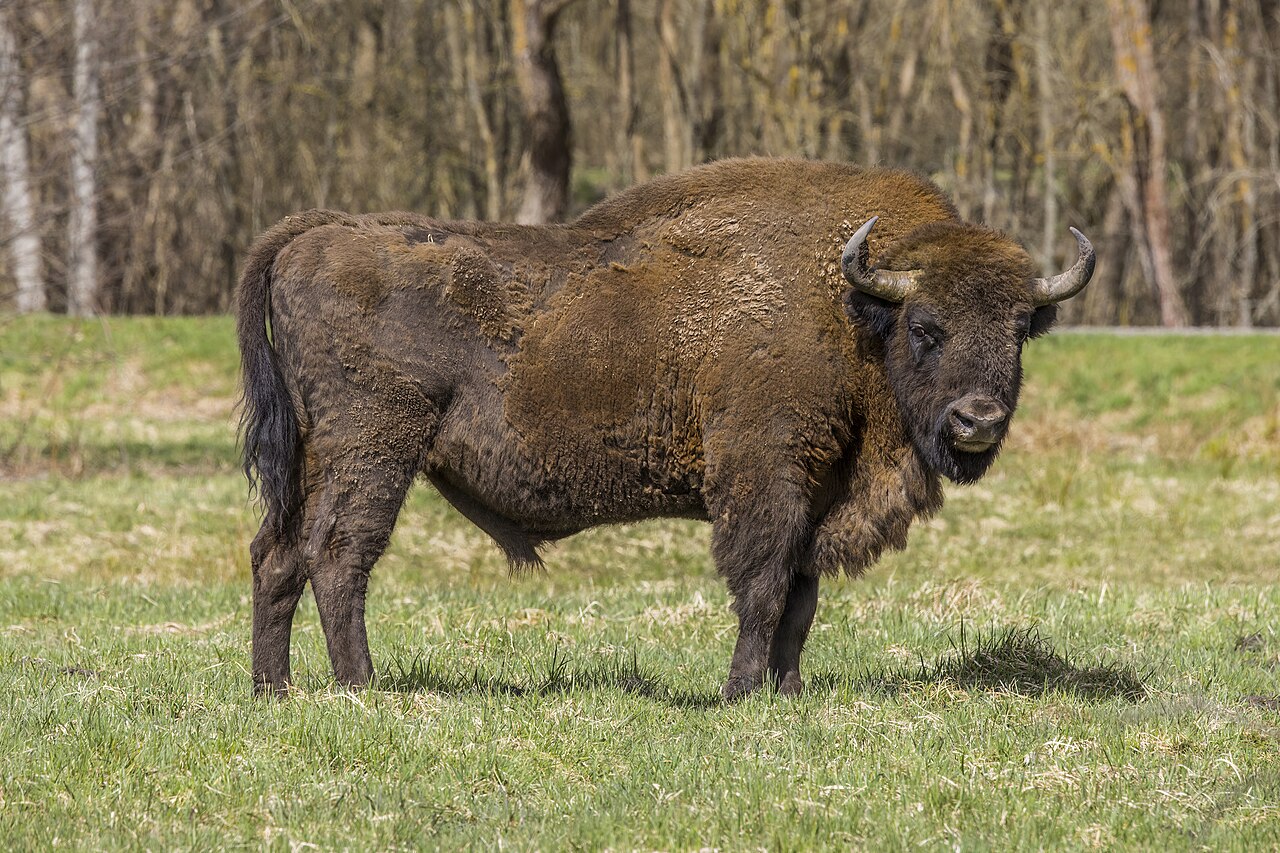
Licensed referenceCharles J. Sharp / CC BY-SA 4.0 · cc-by-sa
—observations
—countries
—peak records
Near ThreatenedConservation statusIUCN Red List categoriesLCNTVUENCREWEXNear ThreatenedRed List categories, explained →
Diet & prey
- Herbivorous (grasses, foliage, bark, acorns, shoots)
Predators
- Gray Wolf
- Eurasian Lynx
ThreatsHabitat fragmentation, low genetic diversity, disease transmission from livestock
HabitatsDeciduous, mixed, and coniferous forests, woodland clearings
Life span15–24 years
Size / weightNot available
Classification
- FamilyBovidae
- SpeciesBison bonasus
Range data is not available yet.
Interaction riskHigh
- Low
- Moderate
- High
- Very high
- Why interaction risk is high
- Massive size and high charging speed pose serious hazards; observe from at least 50 meters away.
- Why it is dangerous
- Can weigh up to a metric ton and charge at speeds over 40 km/h when startled, cornered, or protecting calves.
- How to recognize a risky encounter
- Recognized by a massive head, dark brown coat, shoulder hump, and short curved horns on both sexes.
- What to do
- Stay on marked trails, keep dogs on a leash, and retreat calmly if you encounter a herd.
- What to notice
- Found primarily in protected reserves and rewilding areas in Eastern and Central Europe.
- Support conservation
- Do not use drones or make loud noises near herds, and give wide clearance to cow-calf groups.
Responsible observation
- Distance: Keep at least 50 meters between yourself and any bison at all times.
- Warning Signs: Back away slowly if a bison lowers its head, paws the ground, or raises its tail.
- Rutting Season: Avoid approaching herds during August and September when bulls are active and aggressive.
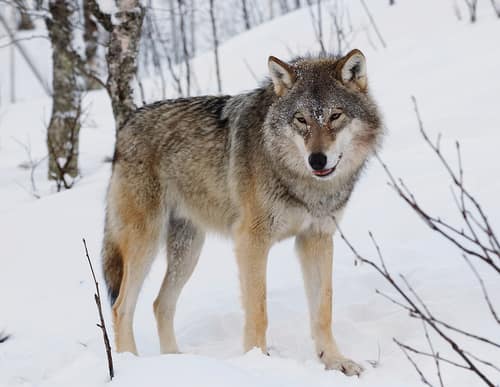
Predator User:Mas3cf / CC BY-SA 4.0 · cc-by-sa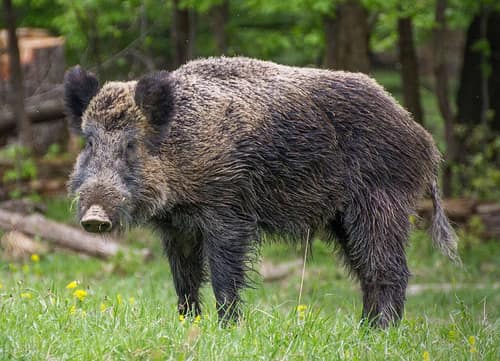
Competitor Valentin Panzirsch / CC BY-SA 3.0 at · cc-by-sa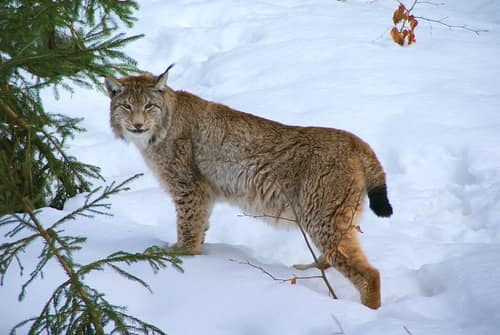
Predator Aconcagua (talk) / CC BY-SA 3.0 · cc-by-sa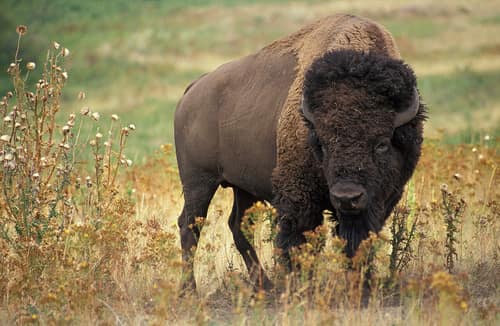
Close Relative Jack Dykinga / Public domain · cc0
Help improve the field guideSomething wrong?
Checking your Fauna account…Report a name, category, or profile issue for review.