Dominant bulls defend compact territories with sweeping, scythe-like horns that reach over a meter in length, capable of impaling even hunting lions. Nursery herds of females and calves forage through open miombo woodland, feeding selectively on medium-height grasses and seasonal herbs. Adult males develop glossy jet-black coats that contrast sharply with their snow-white bellies and distinct facial masks.
ThreatsHabitat loss from human settlement, livestock competition, and poaching for meat and horns
HabitatsMiombo woodlands, wooded savannas, and valley grasslands
Life span16–19 years
Size / weightNot available
Classification
OrderArtiodactyla
FamilyBovidae
GenusHippotragus
SpeciesHippotragus niger
Range & activity
Range data is not available yet.
Safe observation
Interaction riskHigh
Low
Moderate
High
Very high
Why interaction risk is high
Large, powerful antelope capable of inflicting fatal wounds with backward-curving horns; observe from a secure safari vehicle.
Why it is dangerous
Bulls possess exceptional neck strength and ribbed, backwards-sweeping horns up to 1.6 meters long that can easily gore through flesh and bone when cornered.
How to recognize a risky encounter
Look for a robust build, glossy black coat on mature males or chestnut on females, white underparts, and long scythe-shaped horns arched over the back.
What to do
Never approach on foot; stay inside a vehicle, keep your distance, and leave the animal an unobstructed exit route.
Responsible observation
Safari Etiquette: Remain seated inside enclosed game-drive vehicles and keep noise levels low to avoid causing flight responses.
Breeding Season: Maintain extra distance around solitary bulls during rutting periods, as territorial males can become volatile.
Viewing Time: Scan open clearings at dawn and late afternoon when herds leave dense thickets to graze and visit waterholes.

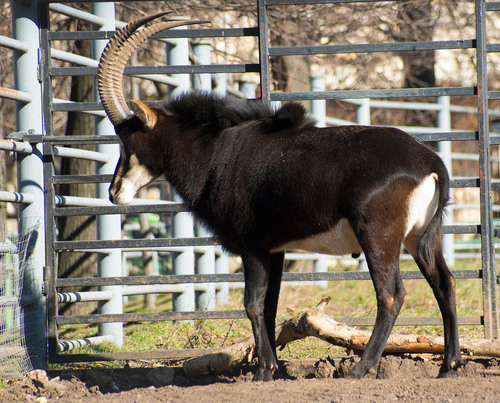
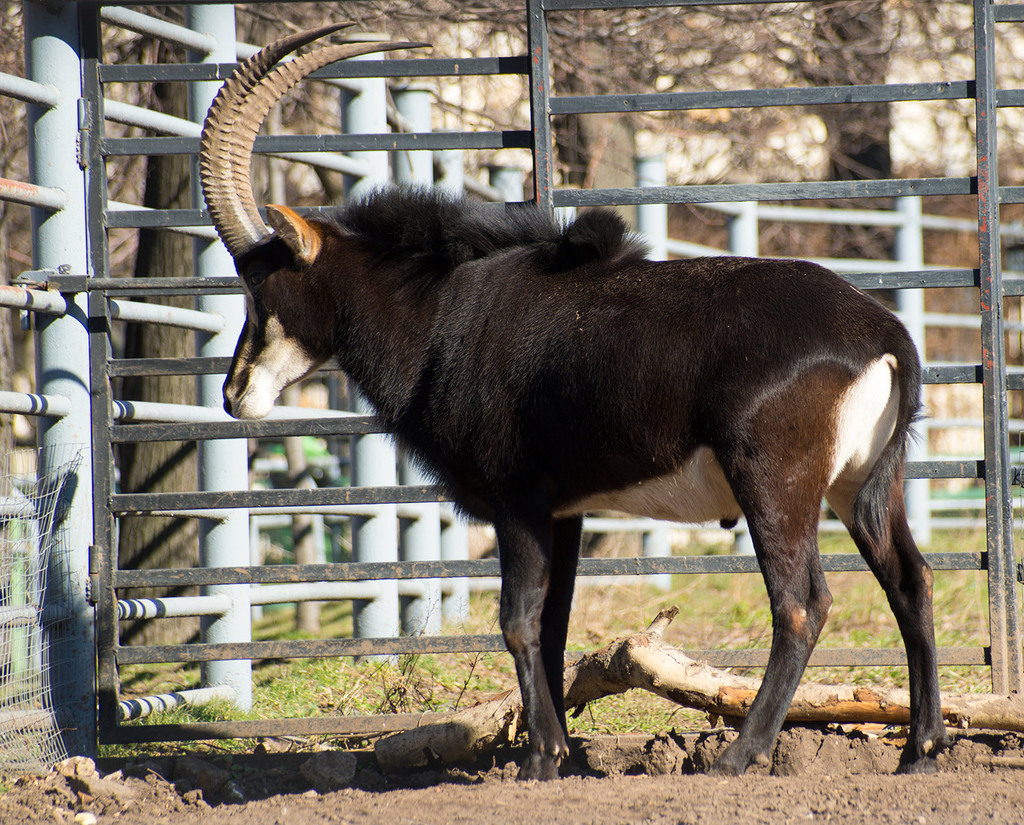
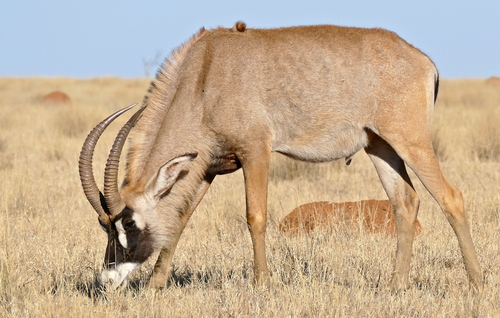
 Image unavailable