
Mammal
White Rhinoceros
Ceratotherium simumAlso known as Square-Lipped Rhinoceros, Southern White Rhinoceros, Northern White Rhinoceros
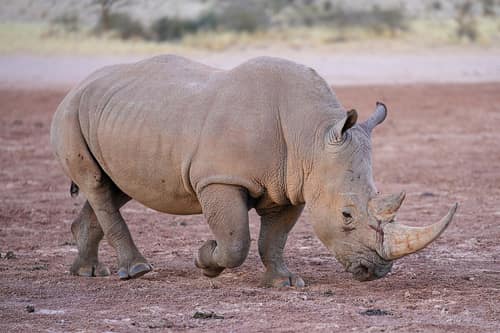
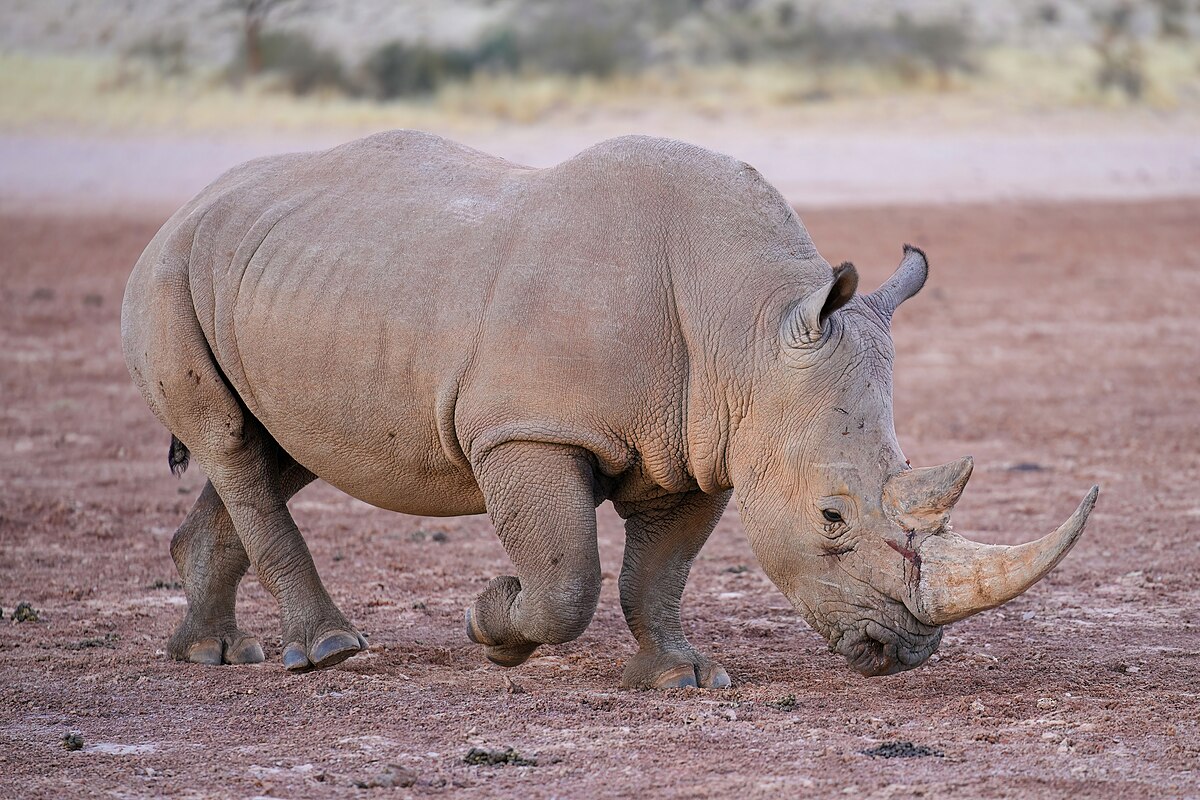
White rhinoceroses spend their days grazing in semi-social crash groups across African grasslands, using a broad, square lip to crop short tender grasses. Dominant bulls establish territories marked with dung heaps called middens, while females and calves roam in overlapping home ranges. Despite their massive weight, these thick-skinned megaherbivores sprint up to 50 kilometers per hour when alarmed.
HerbivoreGrazerAfrican Megafauna
—observations
—countries
—peak records
Near ThreatenedConservation statusIUCN Red List categoriesLCNTVUENCREWEXNear ThreatenedRed List categories, explained →
Diet & preyShort Grasses, Prostrate Herbs
Predators
- Lions
- Spotted Hyenas
ThreatsPoaching for horns, habitat loss
HabitatsSavannas, grasslands, open woodlands
Life span40–50 years
Classification
- OrderPerissodactyla
- FamilyRhinocerotidae
- GenusCeratotherium
- SpeciesCeratotherium simum
Native Introduced
Native range in olive; established introduced range in rust.
Interaction riskHigh
- Low
- Moderate
- High
- Very high
- Why interaction risk is high
- Capable of charging at high speeds when startled; maintain a distance of at least 50 meters.
- Why it is dangerous
- Imposing size and charge speeds up to 50 km/h present a lethal threat of trampling or goring.
- How to recognize a risky encounter
- Recognizable by an immense grey frame, a square grazing lip, and two prominent horns on the snout.
- What to do
- Observe strictly from inside a vehicle or behind protected blinds, backing away quietly if on foot.
- What to notice
- Identified by a broad lip, high neck hump, and large anterior nasal horn in open savanna habitats.
- Support conservation
- Turn off GPS tagging on photos to prevent poachers from tracking vulnerable wild individuals.
Responsible observation
- Safari Etiquette: Stay inside your vehicle at all times and avoid loud noises or sudden movements that could trigger a defensive charge.
- Midden Observation: Look for large communal dung piles along trail edges, which rhinos use as scent communication posts.
- Photo Responsibility: Disable location services and geotagging when uploading photographs of wild rhinos to public platforms.
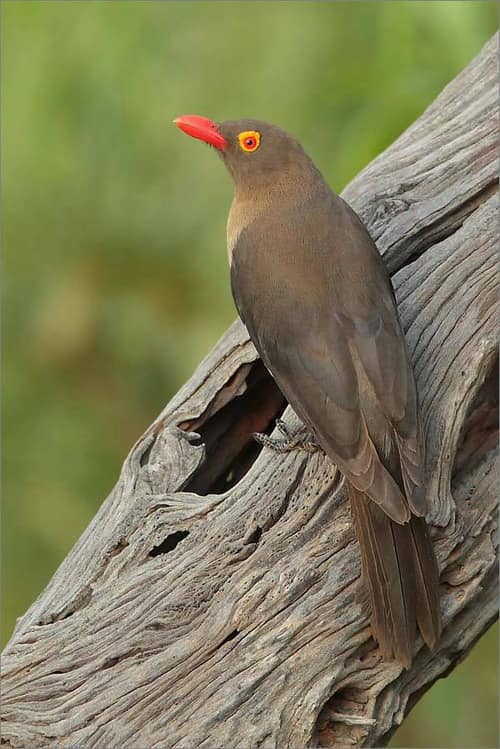
Symbiont Gerrie van Vuuren / CC BY-SA 4.0 · cc-by-sa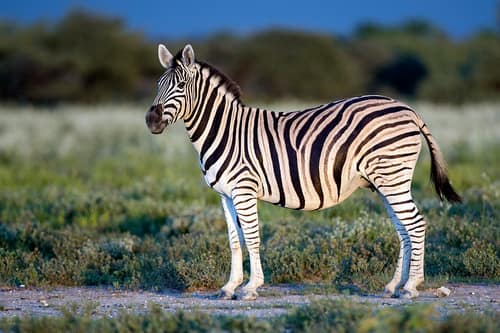
Competitor Yathin S Krishnappa / CC BY-SA 3.0 · cc-by-sa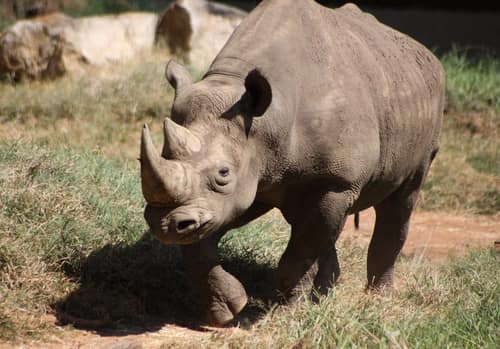
Close Relative Derek Keats from Johannesburg, South Africa / CC BY 2.0 · cc-by
Keep collecting in Fauna
Found in Collections
Species set Pro
Safari Ranger
White Rhinoceros is found in this collection. Identify it in Fauna to fill this slot and continue your progress.
Unlock to track progress
Help improve the field guideSomething wrong?
Checking your Fauna account…Report a name, category, or profile issue for review.