
Mammal
Harbour Porpoise
Phocoena phocoenaAlso known as Common Porpoise, Puffing Pig, Herring Hog
Harbour porpoises move unobtrusively through shallow coastal waters, surfacing briefly with a subtle puffing sound that earned them historical nicknames like puffing pig. They navigate murky estuaries and tidal bays using rapid high-frequency echolocation clicks rather than acrobatic leaps or aerial displays. Mothers nurse their calves in quiet sheltered bays, relying on a continuous diet of small schooling fish to fuel their high metabolism.
Marine MammalCoastalEcholocating
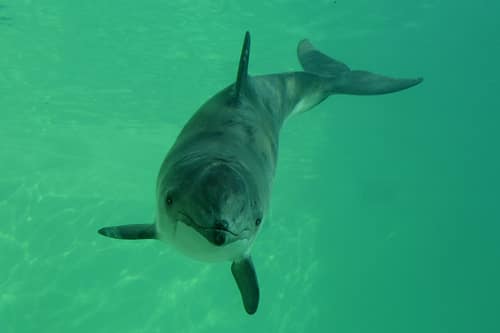
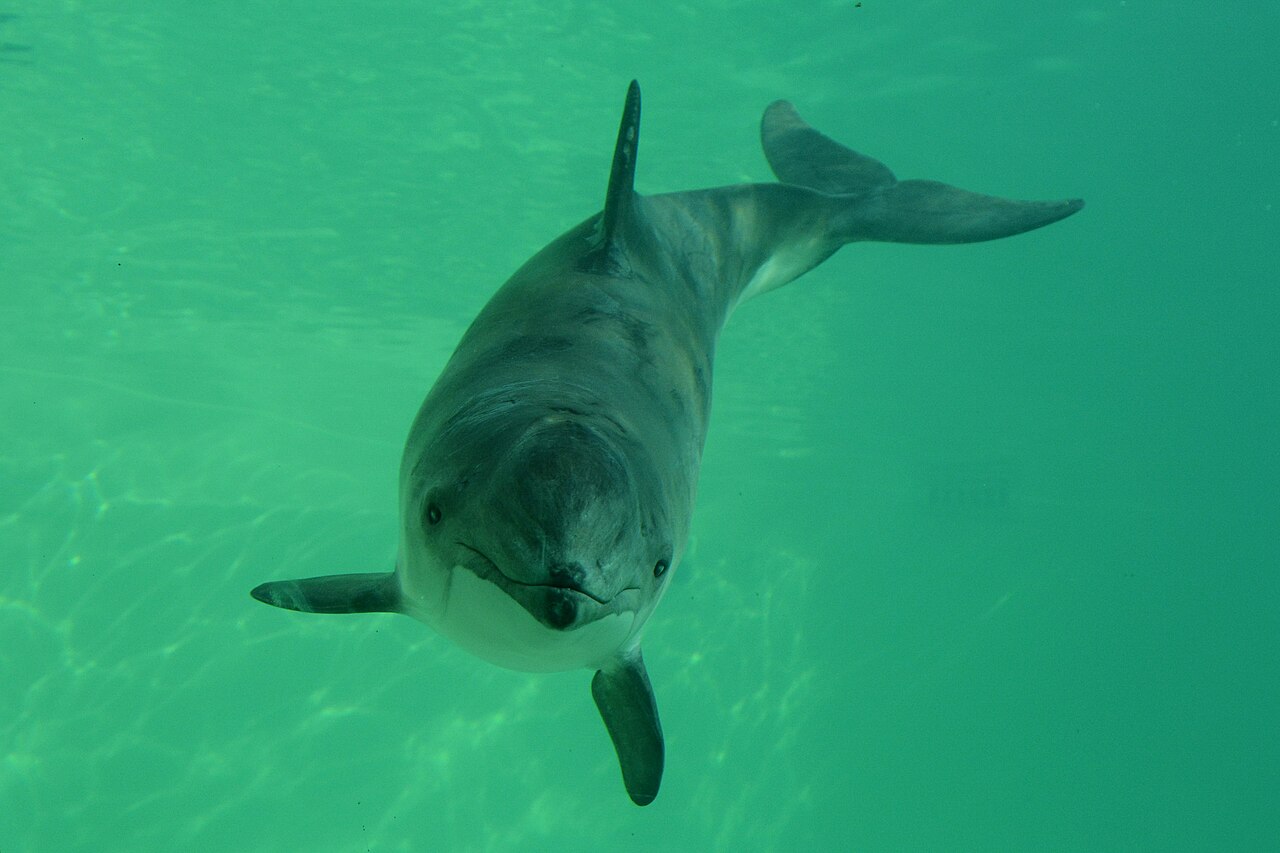
—observations
—countries
—peak records
Least ConcernConservation statusIUCN Red List categoriesLCNTVUENCREWEXLeast ConcernRed List categories, explained →
Diet & preyAtlantic Herring, European Sprat, Sandeel
Predators
- Killer Whale
- Great White Shark
- Bottlenose Dolphin
ThreatsBycatch in gillnets, marine noise pollution, chemical contaminants, and habitat displacement
HabitatsShallow coastal waters, estuaries, bays, fjords, and tidal river channels
Life span12–24 years
Classification
- OrderCetacea
- FamilyPhocoenidae
- GenusPhocoena
- SpeciesPhocoena phocoena
Range data is not available yet.
Interaction riskLow
- Low
- Moderate
- High
- Very high
- Why interaction risk is low
- Safe to observe at a normal distance.
- What to notice
- Look for a small body with a low, triangular dorsal fin rolling smoothly through calm water.
- Support conservation
- Keep boat speeds low, stay at least 100 meters away, and never steer directly into a surfacing group.
Responsible observation
- Watch from headlands: High coastal vantage points offer excellent views of their brief low-profile surfacing.
- Listen carefully: On calm days, their sudden puffing exhalation can often be heard before sighting.
- Give ample distance: Cut vessel engines and maintain a respectful gap to avoid disrupting feeding.
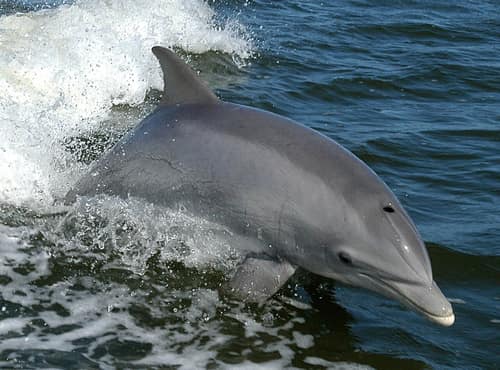
Competitor NASA / Public domain · cc0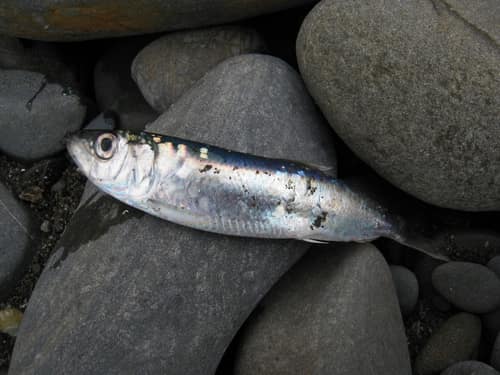
Prey (c) Simon Rolph, some rights reserved (CC BY), uploaded by Simon Rolph · cc-by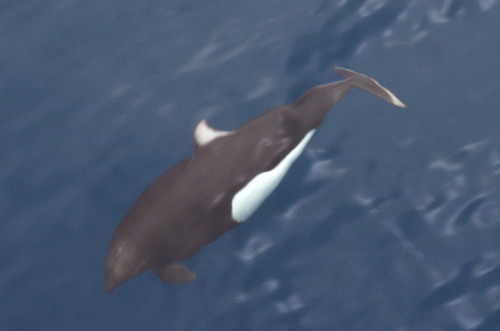
Close Relative (c) Георгий Виноградов (Georgy Vinogradov), some rights reserved (CC BY), uploaded by Георгий Виноградов (Georgy Vinogradov) · cc-by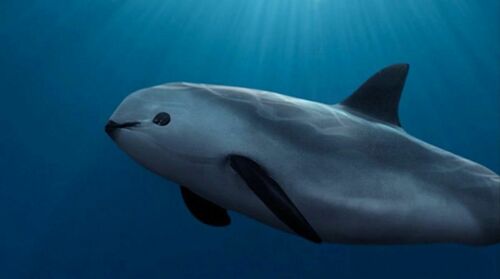
Close Relative (c) Alfokrads, some rights reserved (CC BY-SA) · cc-by-sa
Help improve the field guideSomething wrong?
Checking your Fauna account…Report a name, category, or profile issue for review.