
Mammal
True's Beaked Whale
Mesoplodon mirusAlso known as Wonderful Beaked Whale
True's beaked whales are enigmatic oceanic divers that spend the vast majority of their lives navigating the deep waters of the temperate North and South Atlantic. Adults perform coordinated foraging dives exceeding a thousand meters, relying on echolocation clicks to locate cephalopods in pitch darkness before surfacing for brief breathing spells. Sightings at sea remain extraordinarily rare, leaving much of their natural history to be pieced together from stranded specimens.
PelagicDeep-DivingMarine Mammal
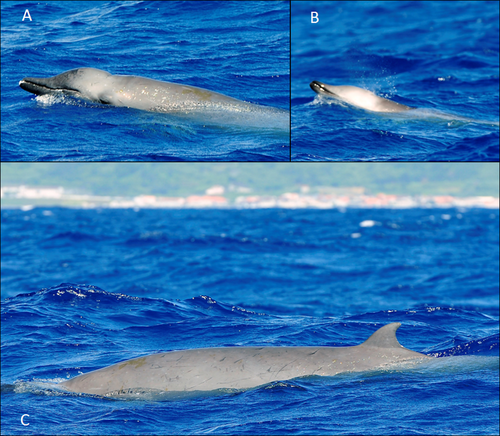
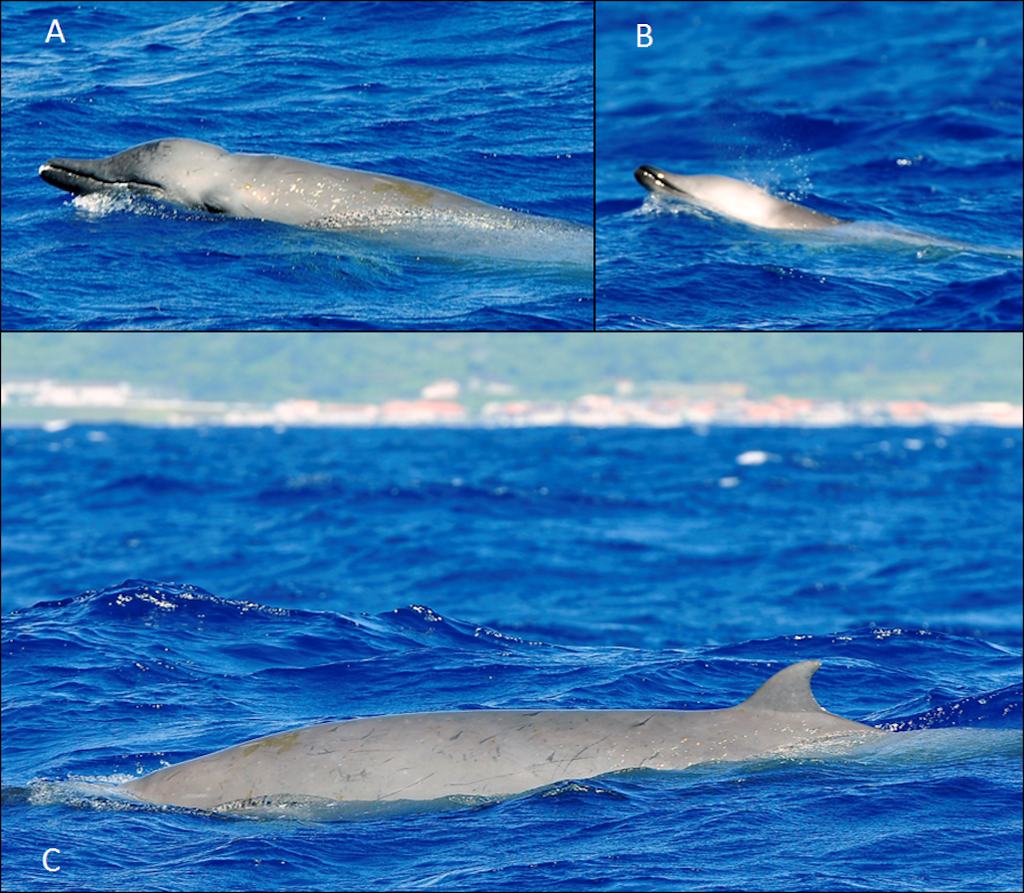
—observations
—countries
—peak records
Least ConcernConservation statusIUCN Red List categoriesLCNTVUENCREWEXLeast ConcernRed List categories, explained →
Diet & preyOceanic squid, Lanternfish, Cutlassfish
Predators
- Killer Whale
- Large pelagic sharks
ThreatsNaval mid-frequency sonar, plastic ingestion, and commercial fishing gear entanglement
HabitatsDeep offshore pelagic waters, continental slopes, and submarine canyons
Life span30–45 years
Classification
- FamilyHyperoodontidae
- SpeciesMesoplodon mirus
Range data is not available yet.
Interaction riskLow
- Low
- Moderate
- High
- Very high
- Why interaction risk is low
- Safe to observe at a respectful distance from boats.
- What to notice
- Look for a dark spindle-shaped body, slight melon, short beak, and small teeth situated at the extreme tip of the lower jaw.
- Support conservation
- Never pursue or crowd surfacing individuals, and cut boat engines immediately to minimize underwater noise.
Responsible observation
- Boat distance: Maintain at least 100 meters to avoid disrupting breathing and acoustic behavior.
- Vessel speed: Slow to idle speed or neutral if whales surface nearby to prevent propeller strikes.
- Stranding protocol: Notify local marine mammal rescue networks immediately if an individual is seen in distress.
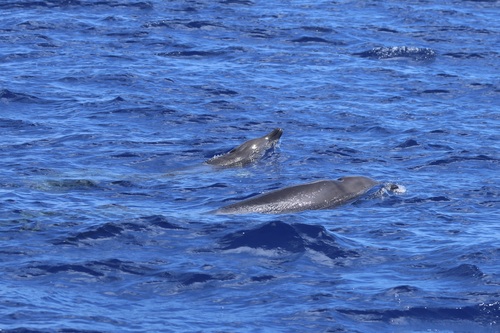
Same Genus (c) er-birds, some rights reserved (CC BY) · cc-by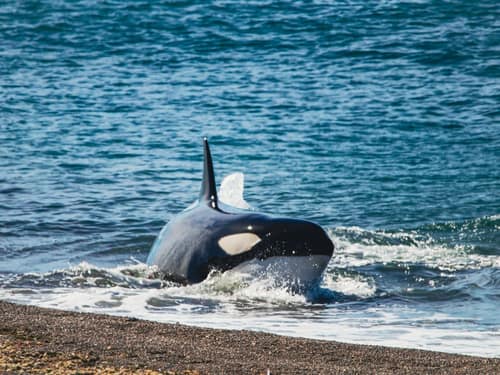
Predator (c) Martín Acosta Albarracín, some rights reserved (CC BY), uploaded by Martín Acosta Albarracín · cc-by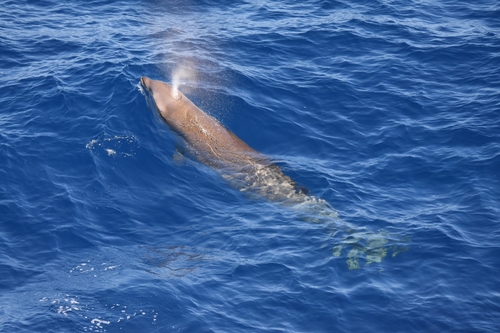
Same Family (c) Charlotte Kirchner, some rights reserved (CC BY), uploaded by Charlotte Kirchner · cc-by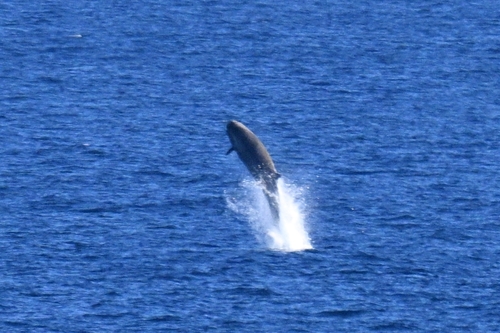
Same Family (c) Charlotte Kirchner, some rights reserved (CC BY) · cc-by
Help improve the field guideSomething wrong?
Checking your Fauna account…Report a name, category, or profile issue for review.