
Mammal · GBIF taxon 2439658
Hazel Dormouse
Muscardinus avellanariusAlso known as Common Dormouse
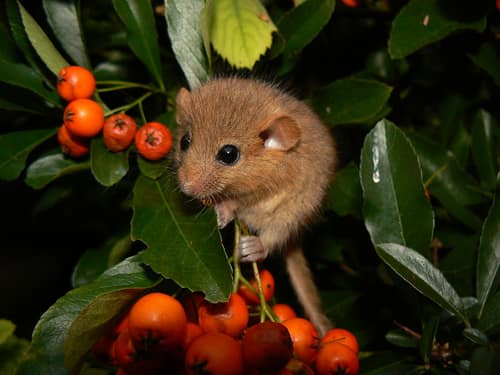
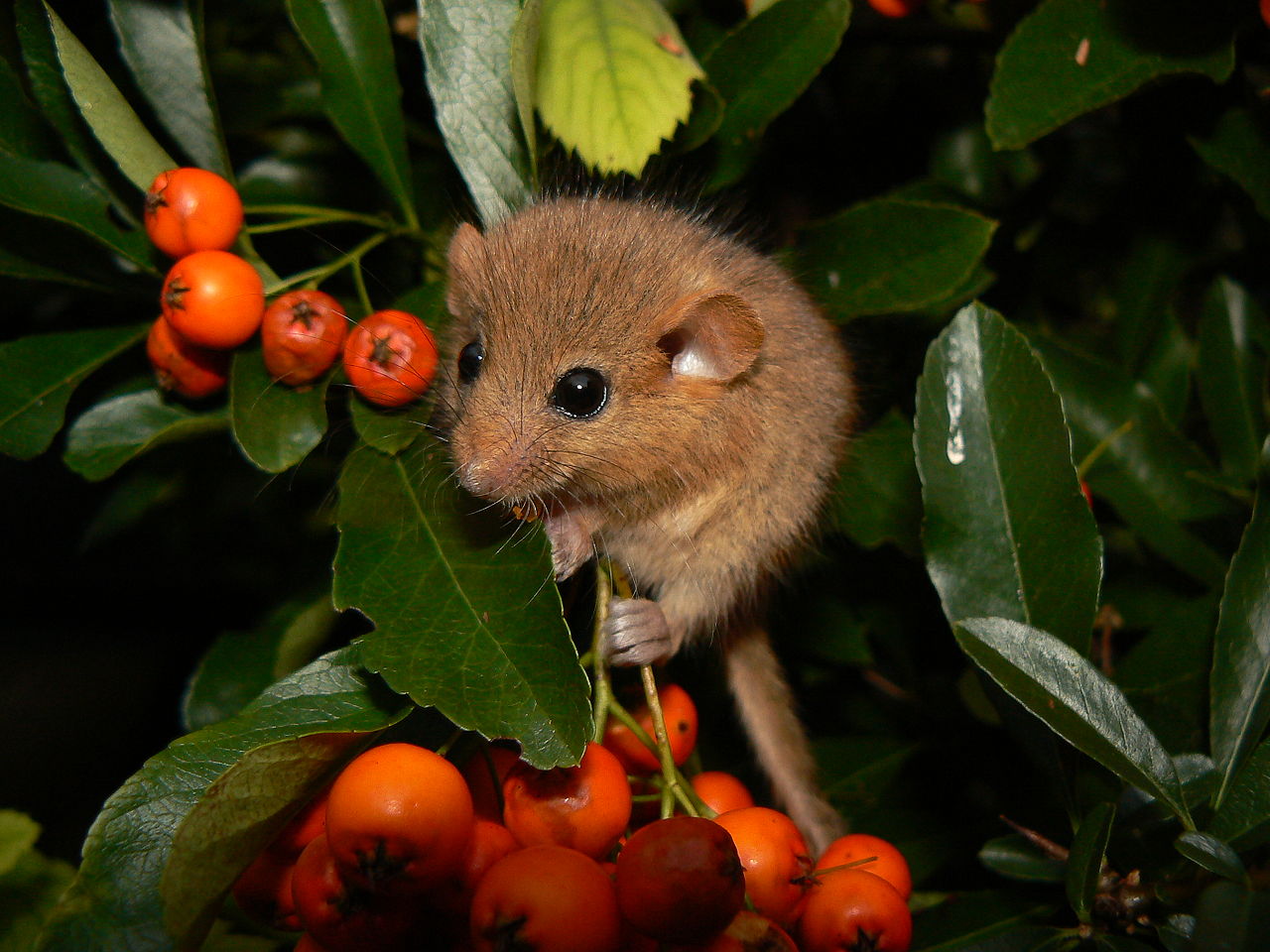
Hazel dormice are golden-orange, tree-dwelling rodents easily recognized by their large black eyes, furry tails, and remarkable agility in the canopy. They spend almost their entire active lives above ground, scampering along branches to feed on flowers, pollen, insects, and autumn nuts. During cold winter months, they roll into tight balls and hibernate for up to seven months in woven nests built at ground level.
ArborealNocturnalHibernating
—observations
—countries
—peak records
Least ConcernConservation statusIUCN Red List categoriesLCNTVUENCREWEXLeast ConcernRed List categories, explained →
Diet & prey
- Hazelnuts
- Blackberries
- Tree Caterpillars
Predators
- Tawny Owl
- Red Fox
- Weasel
ThreatsWoodland fragmentation, loss of ancient hedgerows, and climate fluctuations
HabitatsDeciduous woodlands, hazel coppices, dense scrub, and overgrown hedgerows
Life span3–5 years
Size / weightNot available
Classification
- FamilyGliridae
- SpeciesMuscardinus avellanarius
Range data is not available yet.
Interaction riskLow
- Low
- Moderate
- High
- Very high
- Why interaction risk is low
- Safe to observe at a normal distance.
- What to notice
- Distinguished by bright golden-orange fur, a thick furry tail, and large prominent black eyes.
- Support conservation
- Never search for or open wild nests without specialized licensed equipment and permits.
Responsible observation
- Look for Chewed Nuts: Hazelnuts left with a smooth, round hole and distinct tooth marks reveal dormouse activity.
- Observe Summer Nests: Look for woven spherical nests made of honeysuckle bark and green leaves in dense scrub.
- Respect Protection Laws: Avoid disturbing summer nests or hibernacula as this species is strictly protected.
 Image unavailable
Host Plant 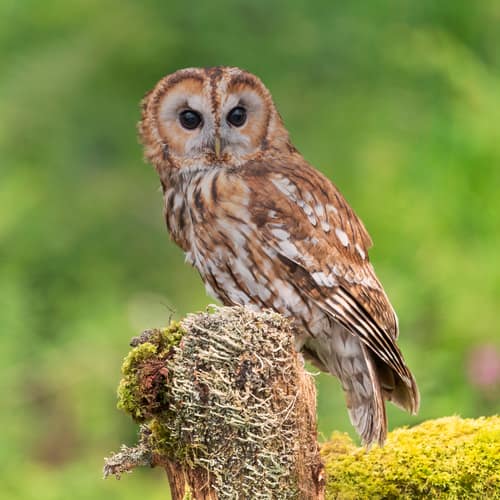
Predator (c) caroline legg, some rights reserved (CC BY) · cc-by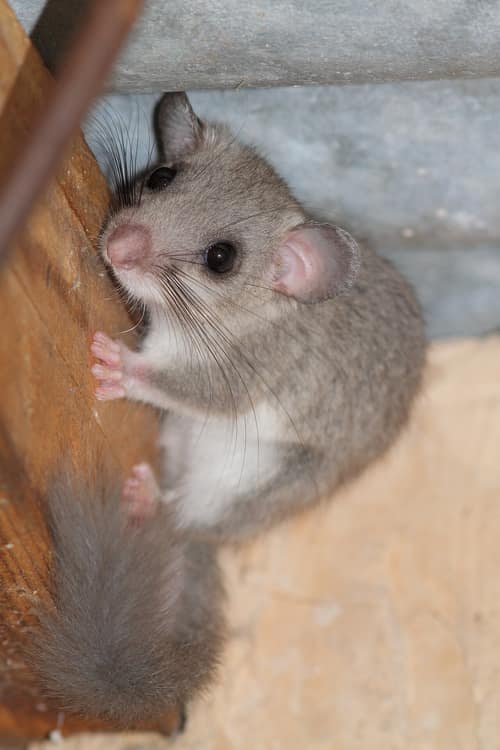
Family Relative Bouke ten Cate / CC BY-SA 4.0 · cc-by-saFamily Relative
Help improve the field guideSomething wrong?
Checking your Fauna account…Report a name, category, or profile issue for review.