
Mammal · GBIF taxon 2439541
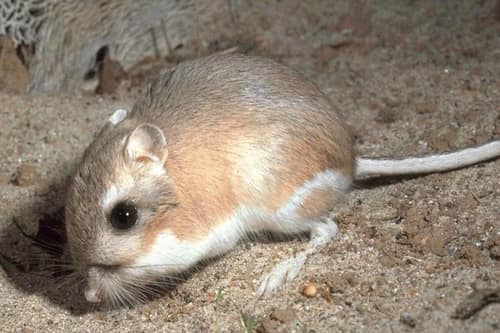
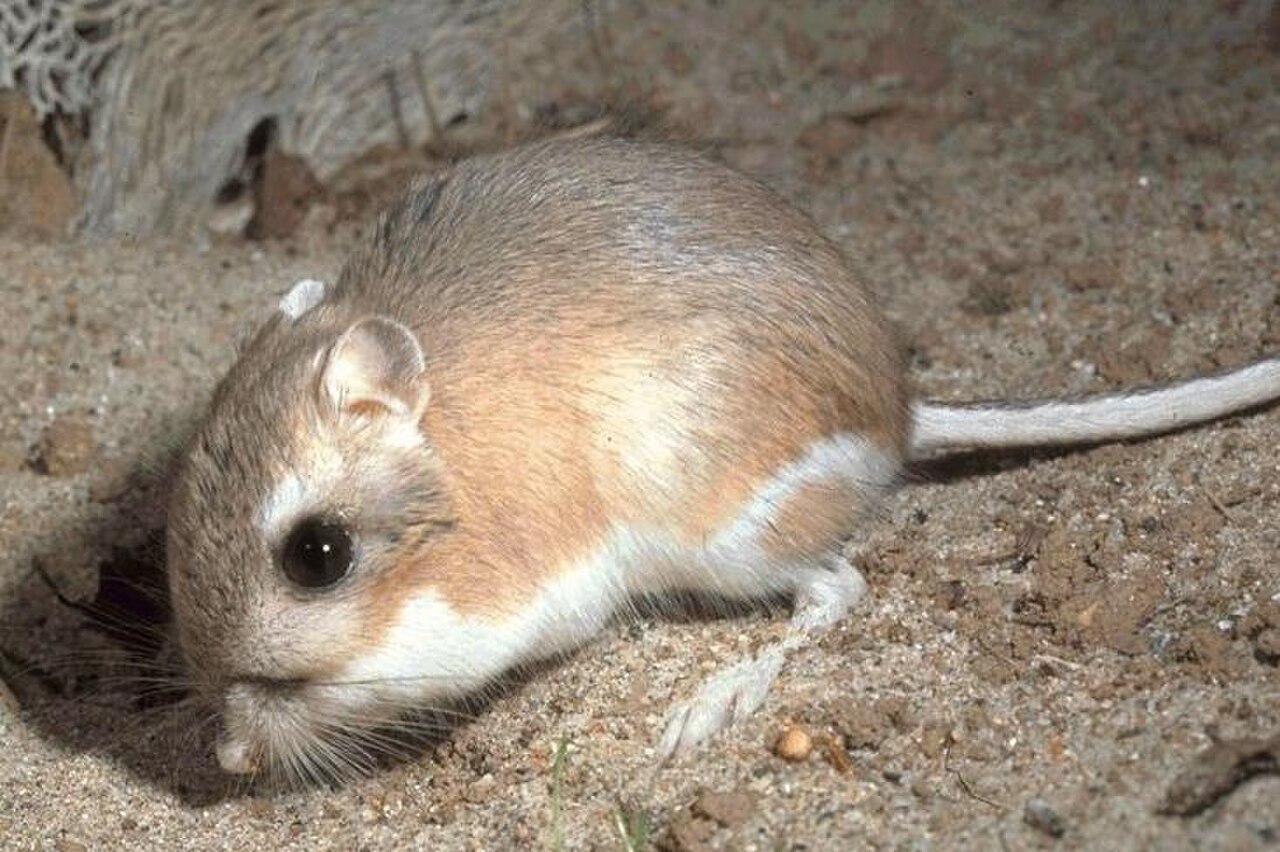
Ord's Kangaroo Rat
Dipodomys ordiiAlso known as Ord Kangaroo Rat
Ord's kangaroo rats navigate arid landscapes using powerful hind legs that propel them up to two meters in a single bound to evade predators. Remarkably adapted to dry environments, they extract all necessary moisture from the seeds they eat and rarely need to drink water. External fur-lined cheek pouches allow them to transport massive caches of seeds back to underground burrows for winter storage.
NocturnalBurrowingDesert Wildlife
—observations
—countries
—peak records
Least ConcernConservation statusIUCN Red List categoriesLCNTVUENCREWEXLeast ConcernRed List categories, explained →
Diet & prey
- Grass seeds
- Forb seeds
- Insects
Predators
- Owls
- Coyotes
- Rattlesnakes
ThreatsHabitat loss from dune stabilization, agricultural conversion, and severe weather
HabitatsArid sand dunes, sandy prairies, scrublands, and semi-arid grasslands
Life span2–5 years
Size / weightNot available
Classification
- FamilyHeteromyidae
- SpeciesDipodomys ordii
Range data is not available yet.
Interaction riskLow
- Low
- Moderate
- High
- Very high
- Why interaction risk is low
- Capable of a sharp bite if cornered or handled; admire from a safe distance.
Responsible observation
- Night Viewing: Scan sandy roads and open dune edges with a red light after dark to avoid blinding them.
- Burrow Spotting: Look for small, rounded hole entrances in loose soil near low shrub vegetation.
- Respect Wildlife: Avoid chasing or trapping these agile jumpers, as handling causes extreme stress and defensive bites.
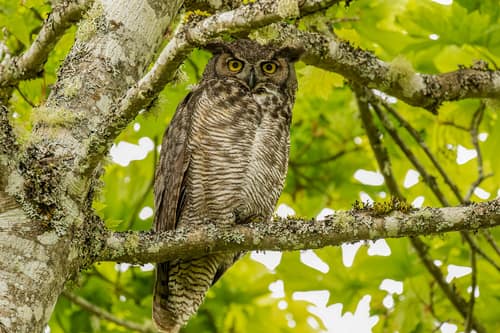
Predator "Great Horned Owl, the first I've seen in decent light this year. Didn't want to disturb it for too long so we continued along the trail" by island deborah- is licensed under CC BY-SA 2.0. To view a copy of this license, visit https://creativecommons.org/licenses/by-sa/2.0/. · cc-by-sa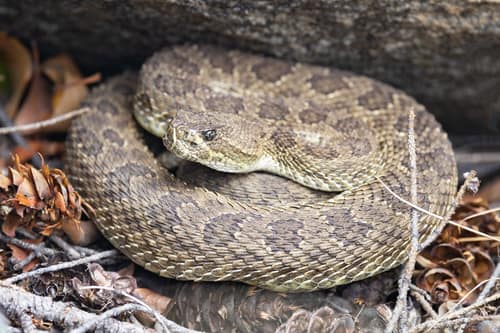
Predator "Prairie rattlesnake (Crotalus viridis)" by YellowstoneNPS is marked with Public Domain Mark 1.0. To view the terms, visit https://creativecommons.org/publicdomain/mark/1.0/. · cc0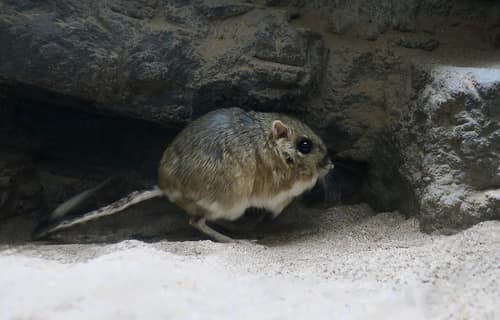
Close Relative RatioTile / CC BY-SA 4.0 · cc-by-sa Image unavailable
Family Member
Help improve the field guideSomething wrong?
Checking your Fauna account…Report a name, category, or profile issue for review.