
Mammal
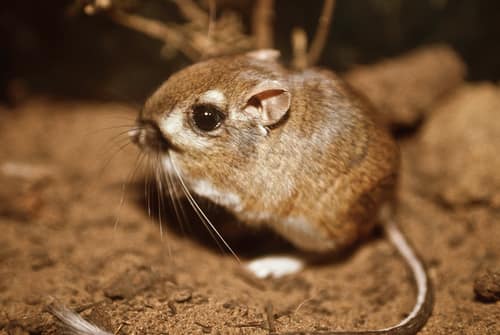
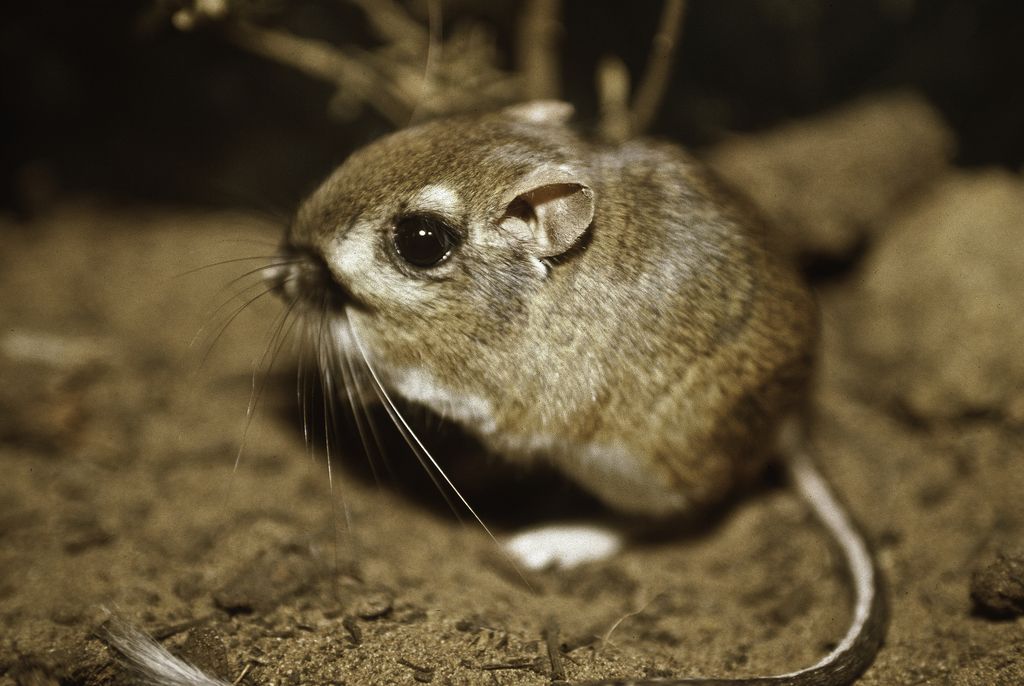
Heermann's Kangaroo Rat
Dipodomys heermanniAlso known as Heermann Kangaroo Rat
Heermann's kangaroo rats inhabit the dry grasslands, oak woodlands, and chaparral of central California, leaping on powerful hind legs to evade predators. They gather seeds in fur-lined cheek pouches and store them within elaborate underground burrow systems that buffer against extreme temperature swings. Active exclusively at night, these solitary rodents communicate through rhythmic foot-drumming on hard-packed soil.
NocturnalBipedalSeed Harvester
—observations
—countries
—peak records
Least ConcernConservation statusIUCN Red List categoriesLCNTVUENCREWEXLeast ConcernRed List categories, explained →
Diet & preyGrass seeds, Shrub seeds, Green vegetation
Predators
- Great Horned Owl
- Pacific Gopher Snake
- Coyote
ThreatsHabitat loss, agricultural conversion, invasive predators
HabitatsDry grasslands, chaparral, oak woodlands, arid scrub
Life span3–5 years
Classification
- FamilyHeteromyidae
- SpeciesDipodomys heermanni
Range data is not available yet.
Interaction riskLow
- Low
- Moderate
- High
- Very high
- Why interaction risk is low
- May bite or scratch if cornered or handled; observe quietly from a safe distance.
- What to notice
- Look for a stocky rodent with dark dorsal fur, long tufted tail, and white hip stripes.
- Support conservation
- Observe from a distance at night with red light and avoid stepping on underground burrows.
Responsible observation
- Red Light Observation: Use a low-intensity red flashlight to watch night activity without causing distress.
- Mind Burrow Entrances: Keep clear of soil mounds and tunnel openings to prevent collapsing burrows.
- No Supplemental Food: Avoid leaving grain or pet food outdoors, which attracts predatory feral cats.
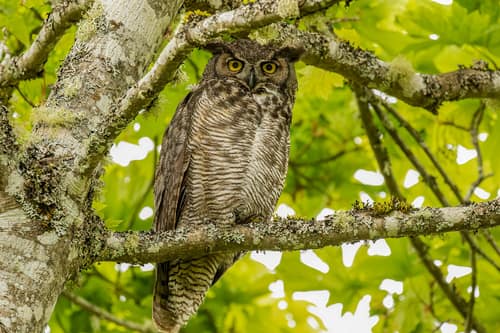
Predator "Great Horned Owl, the first I've seen in decent light this year. Didn't want to disturb it for too long so we continued along the trail" by island deborah- is licensed under CC BY-SA 2.0. To view a copy of this license, visit https://creativecommons.org/licenses/by-sa/2.0/. · cc-by-sa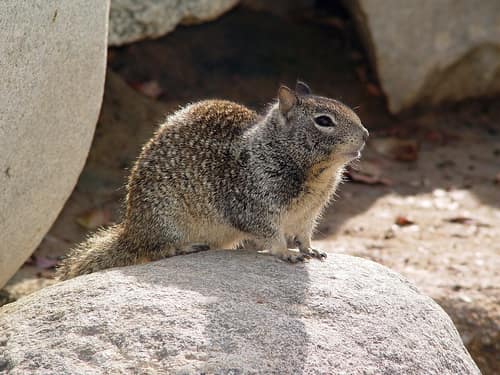
Competitor Holly Cheng / CC BY-SA 3.0 · cc-by-sa Image unavailable
Close Relative
Help improve the field guideSomething wrong?
Checking your Fauna account…Report a name, category, or profile issue for review.