
Mammal
Banner-tailed Kangaroo Rat
Dipodomys spectabilisAlso known as Banner-tail Kangaroo Rat, Large Kangaroo Rat
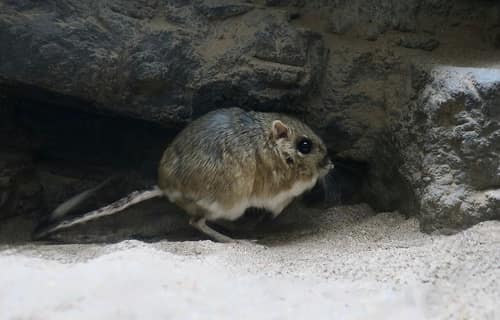
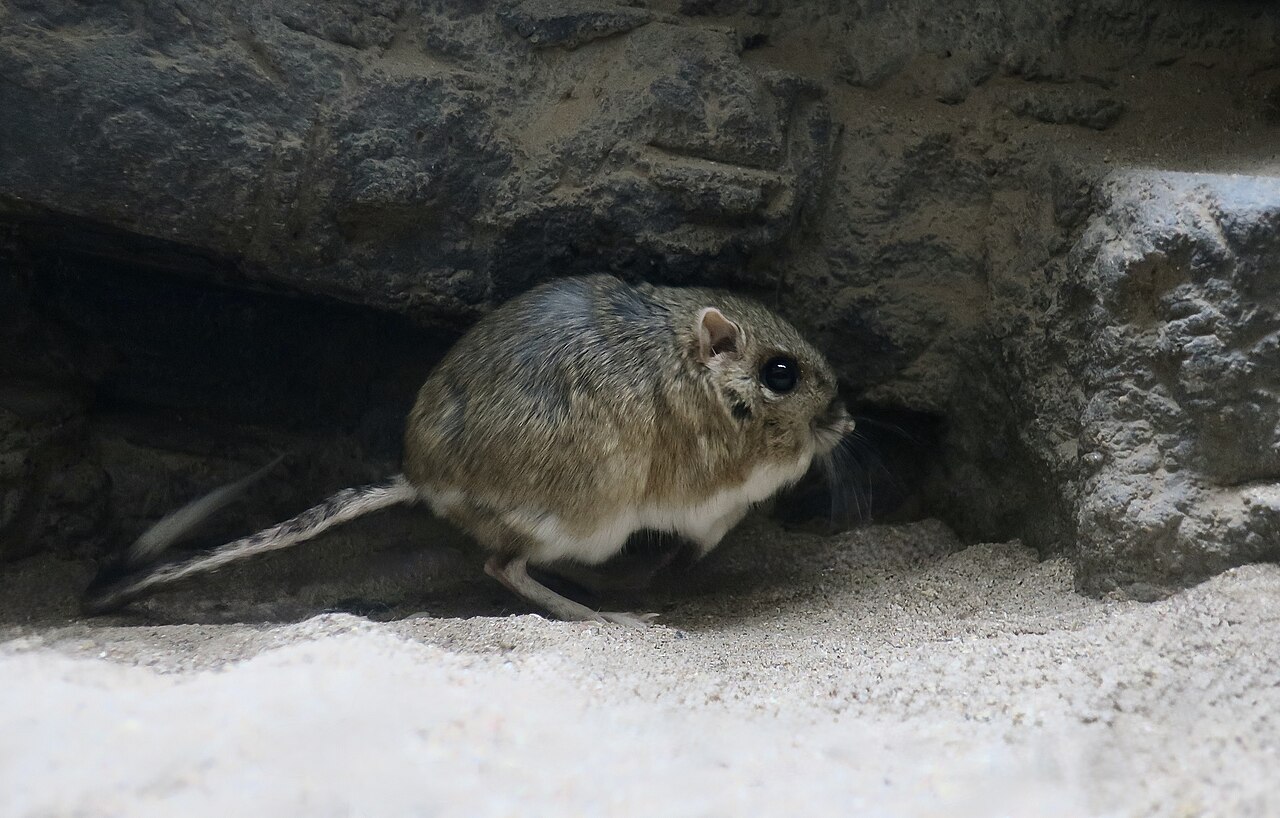
Banner-tailed kangaroo rats construct massive subterranean mound systems that store extensive seed caches and act as vital ecological hubs in desert grasslands. They bound dynamically on long hind legs, using their bushy white-tipped tails for air balance while fleeing nocturnal predators. Their intensive seed-harvesting and burrowing habits physically reshape soil nutrients and plant communities across southwestern arid lands.
NocturnalDesertKeystone Species
—observations
—countries
—peak records
Near ThreatenedConservation statusIUCN Red List categoriesLCNTVUENCREWEXNear ThreatenedRed List categories, explained →
Diet & preyGrass Seeds, Forb Seeds, Cactus Seeds
Predators
- Barn Owl
- Coyote
- Prairie Rattlesnake
ThreatsShrub encroachment, grassland fragmentation, livestock overgrazing, agricultural conversion
HabitatsChihuahuan Desert grasslands, arid scrublands, desert savannas
Life span2–5 years
Classification
- FamilyHeteromyidae
- SpeciesDipodomys spectabilis
Range data is not available yet.
Interaction riskLow
- Low
- Moderate
- High
- Very high
- Why interaction risk is low
- Capable of giving a sharp bite if grabbed or cornered; observe from a respectful distance.
- What to notice
- Recognized by its large size, dark tail with a prominent white banner tip, and distinctive large dirt mounds.
- Support conservation
- Never walk on or collapse mound structures, and keep dogs leashed when passing through burrow colonies.
Responsible observation
- Night Spotting: Use a red-filtered light after dusk near active mounds to observe foraging without scaring them.
- Mound Etiquette: Maintain a respectful distance from burrow entrances to avoid stepping on and collapsing delicate tunnels.
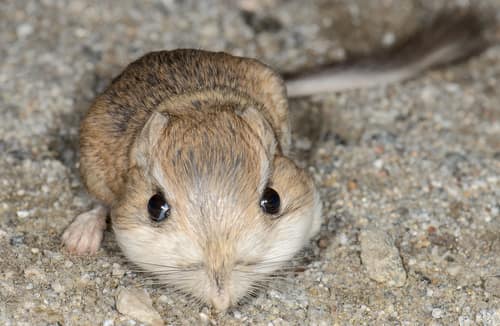
Sympatric Competitor (c) Marshal Hedin, some rights reserved (CC BY-SA) · cc-by-sa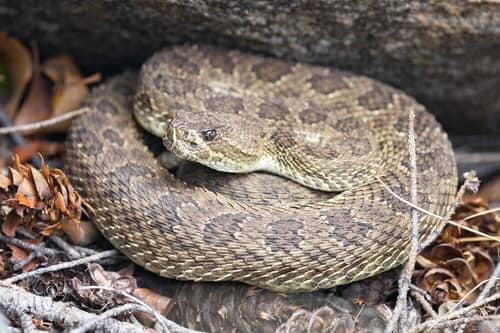
Predator "Prairie rattlesnake (Crotalus viridis)" by YellowstoneNPS is marked with Public Domain Mark 1.0. To view the terms, visit https://creativecommons.org/publicdomain/mark/1.0/. · cc0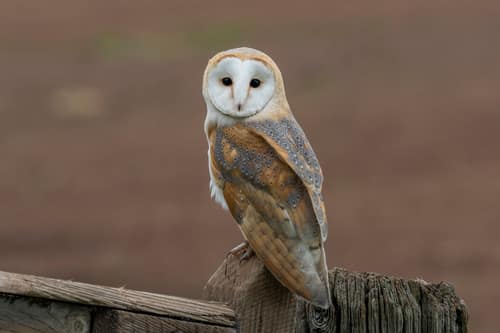
Predator (c) caroline legg, some rights reserved (CC BY) · cc-by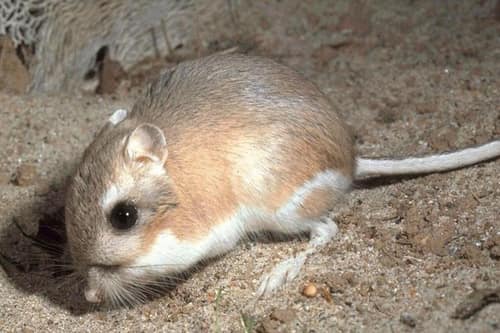
Close Relative Wikimedia Commons / Public domain · cc0
Help improve the field guideSomething wrong?
Checking your Fauna account…Report a name, category, or profile issue for review.