
Mammal · GBIF taxon 2439521
Merriam's Kangaroo Rat
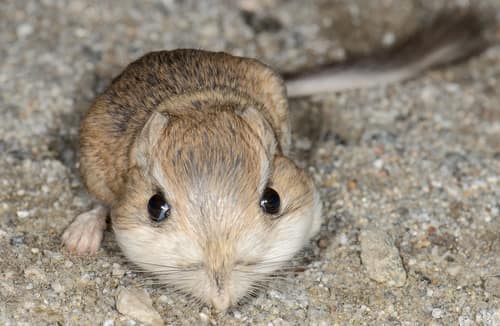
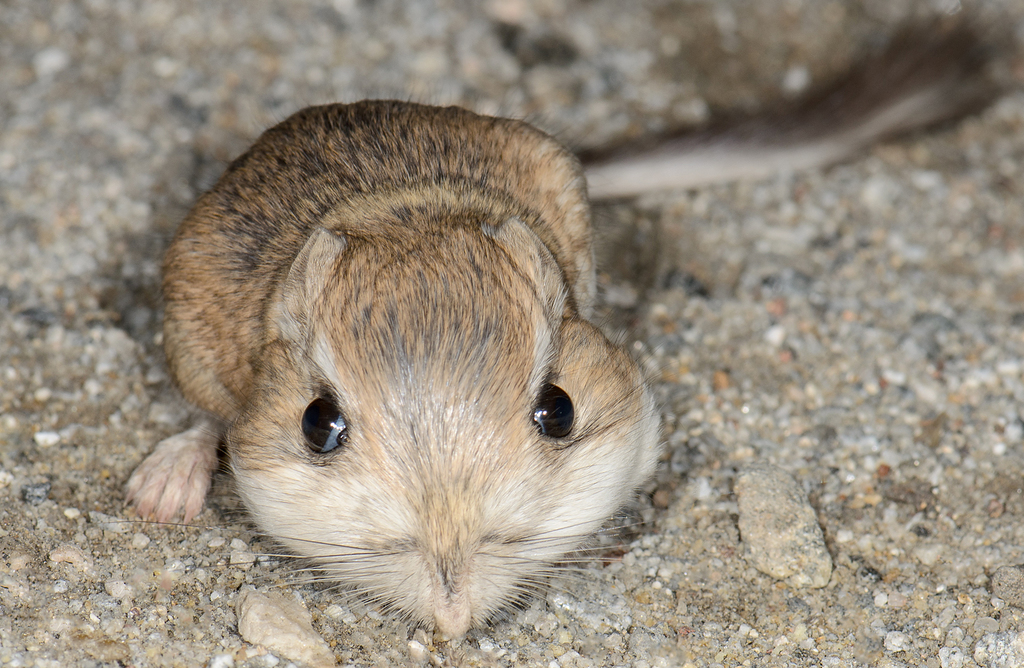
Dipodomys merriamiMerriam's kangaroo rats thrive in sun-baked desert scrub where liquid water is virtually non-existent, deriving all necessary moisture entirely from the seeds they collect and digest. Powerful, elongated hind legs propel them across open ground in sudden, unpredictable leaps that evade striking snakes and swooping owls. Fur-lined cheek pouches allow individuals to transport massive seed harvests back to underground burrows, where meticulous scatter-caching secures food supplies against harsh desert dry spells.
NocturnalDesertBurrowing
—observations
—countries
—peak records
Least ConcernConservation statusIUCN Red List categoriesLCNTVUENCREWEXLeast ConcernRed List categories, explained →
Diet & prey
- Seeds
- Insects
- Green shoots
Predators
- Owls
- Rattlesnakes
- Coyotes
ThreatsHabitat loss from urban development, invasive grasses, and severe prolonged droughts
HabitatsArid deserts, sagebrush scrub, creosote flats, and sandy wash margins
Life span3–5 years in the wild
Size / weightNot available
Classification
- FamilyHeteromyidae
- SpeciesDipodomys merriami
Range data is not available yet.
Interaction riskLow
- Low
- Moderate
- High
- Very high
- Why interaction risk is low
- Capable of a sharp bite if cornered or handled; observe quietly from a safe distance.
Responsible observation
- Nighttime Observation: Use a red-filtered flashlight to observe nocturnal foraging without disrupting their natural behavior.
- Maintain Distance: Refrain from trapping or handling wild rodents to prevent stress and potential defensive bites.
- Track Reading: Look for distinctive two-footed hopping prints and tail-drag lines in soft sand near burrow entrances.
 Image unavailable
Competitor 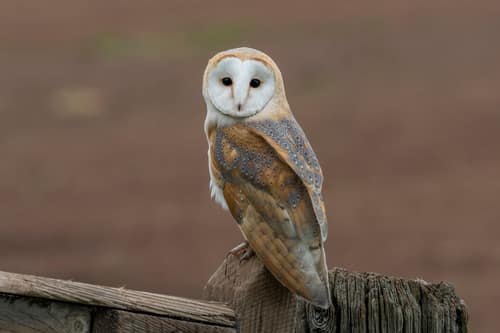
Predator (c) caroline legg, some rights reserved (CC BY) · cc-by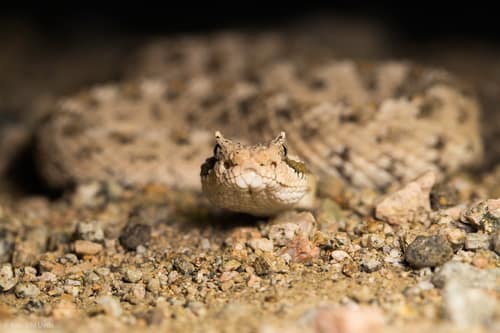
Predator (c) Ken-ichi Ueda, some rights reserved (CC BY) · cc-by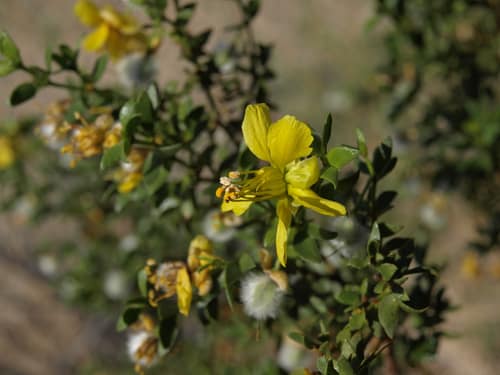
Food Source (c) Jim Morefield, some rights reserved (CC BY), uploaded by Jim Morefield · cc-by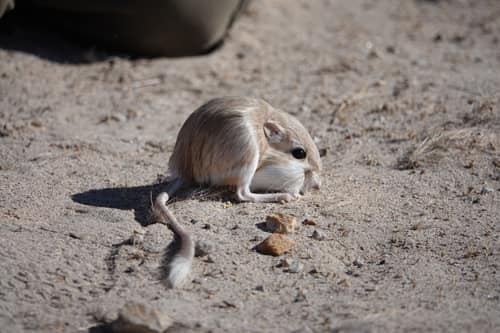
Close Relative "desert kangaroo rat, rata-canguro desértica" by Kyle Nessen is marked with CC0 1.0. To view the terms, visit http://creativecommons.org/publicdomain/zero/1.0/. · cc0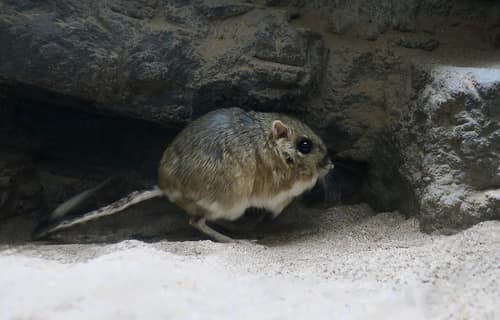
Close Relative RatioTile / CC BY-SA 4.0 · cc-by-sa
Help improve the field guideSomething wrong?
Checking your Fauna account…Report a name, category, or profile issue for review.